Technology
Microsoft quantum plans face fresh skepticism after Nature critique
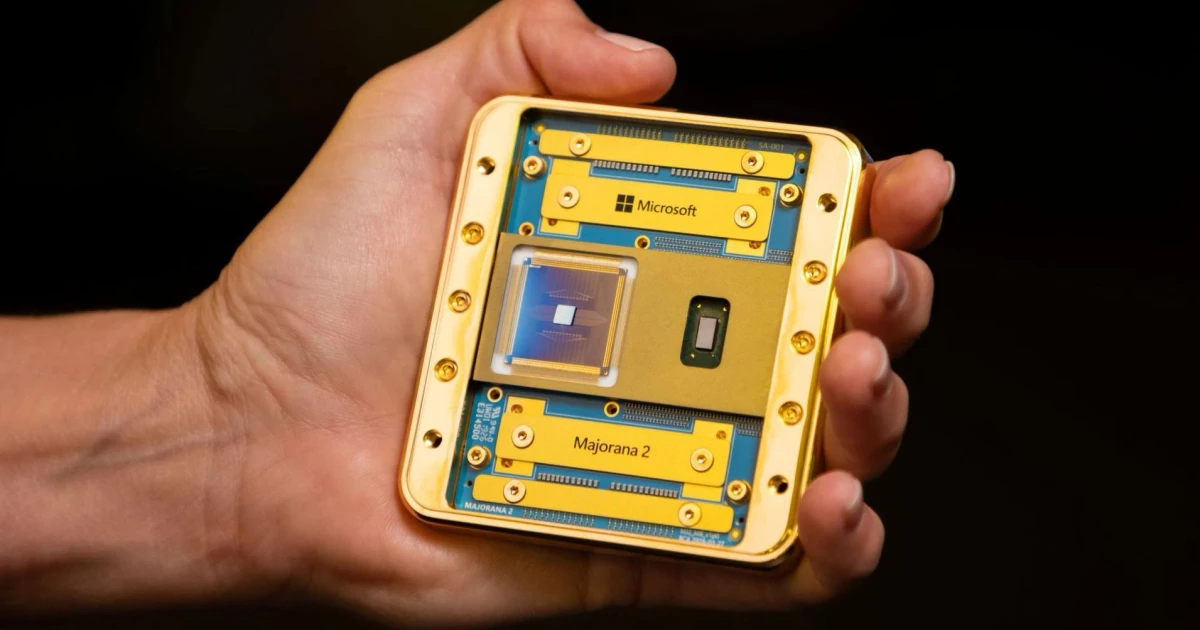
A new Nature critique sharpened doubts about Microsoft’s quantum computing program after Henry Legg of the University of St Andrews said the company’s 2025 paper rested on coding errors, a flawed tune-up protocol and data that appeared to be contradicted by evidence not shown in the paper. Legg also argued that Microsoft’s signal may be indistinguishable from random noise, reopening questions about the foundation of one of the company’s most ambitious scientific bets.
Microsoft has kept pressing ahead anyway. In June 2026, the company unveiled Majorana 2, its newest topological quantum chip, and said its qubits were 1,000 times more reliable than those in its previous processor. Microsoft now expects a scalable quantum computer by 2029, a timetable that has become central to the company’s pitch after nearly two decades of work on a topological approach that differs from the paths pursued by IBM and Google.
The dispute matters far beyond one product launch. Quantum computing is still in the research-to-commercial transition, but if the field scales, it could tackle scientific and cybersecurity problems that ordinary computers cannot. The policy stakes rose further after the Trump administration invested $2 billion in the field and set a goal for a scientific quantum system by 2028, turning a technical debate into a matter of public spending and national strategy.
The skepticism is not new. Nature had already published an earlier critique in 2025 challenging Microsoft’s topological-qubit claim, and the latest commentary extended that fight rather than settling it. Microsoft continued to defend its approach, saying artificial intelligence and its Discovery platform helped the company move faster, but the burden of proof remained high because the underlying claims depended on peer-reviewed evidence, not marketing language.
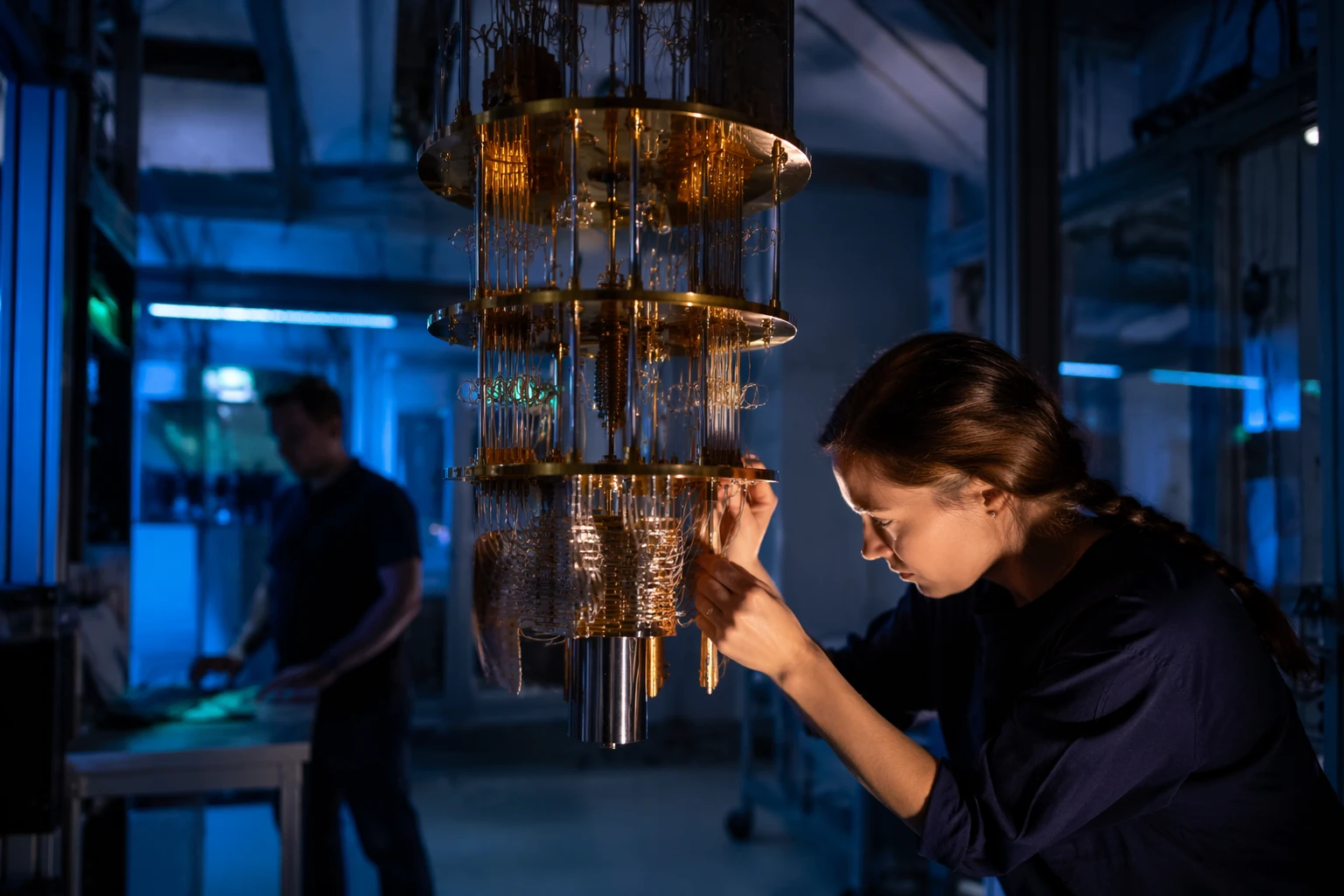
The wider field offered little comfort to either side. Nature reported on June 17, 2026, that Quantinuum had built a 98-qubit trapped-ion system with all-to-all connectivity, a reminder that rival platforms were advancing even as Microsoft’s route stayed controversial. Separate U.S. National Science Foundation program materials show federal support continuing through National Quantum Initiative-related infrastructure and testbed efforts, underscoring how much of the race now depends on lab validation, not just corporate timelines.
For investors, the question is whether Microsoft’s 2029 target reflects a credible engineering path or a longer scientific gamble. For researchers and policymakers, the issue is simpler and more consequential: in quantum computing, the gap between a compelling claim and a reproducible result still determines who gets believed.
Sources
- [1]money.usnews.com
- [2]tech.yahoo.com
- [3]news.st-andrews.ac.uk
- [4]nature.com
- [5]news.microsoft.com
- [6]nsf.gov