Technology
Microsoft touts Majorana 2 chip, promises faster path to quantum computing
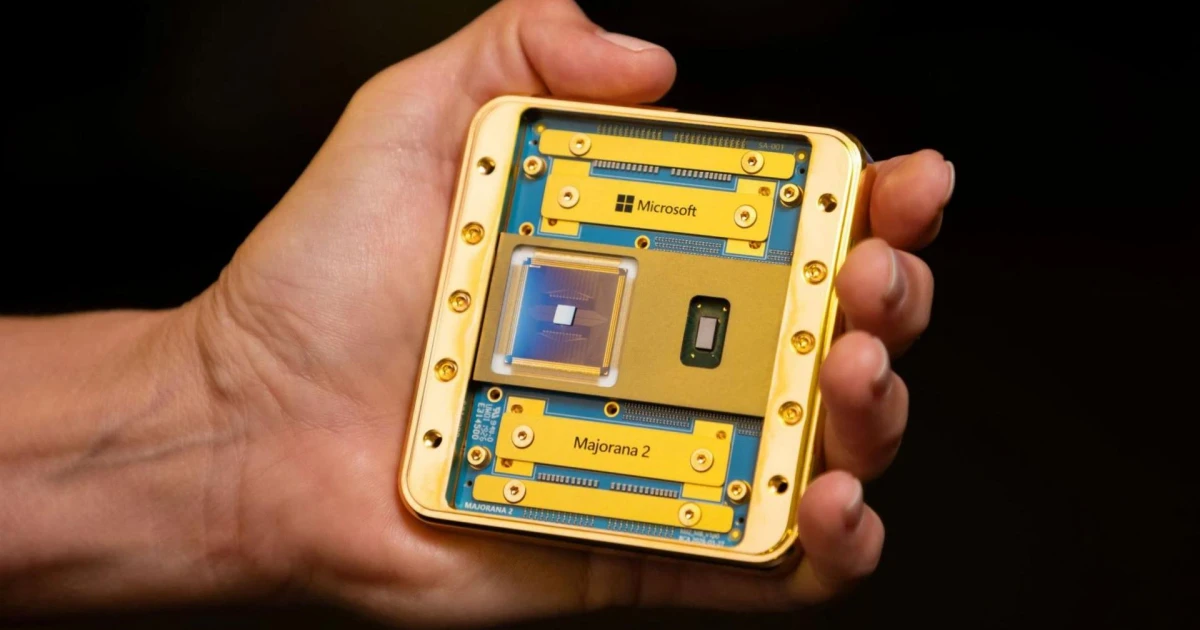
Microsoft’s latest Majorana 2 announcement landed beside a fresh peer-reviewed critique that again put the company’s quantum-computing claims under the microscope. Henry Legg’s analysis, accepted by Nature on April 20 and published June 24, said Microsoft’s topological gap-detection method is unreliable and that coding errors and omitted raw data may have hidden disorder in the devices.
Microsoft has defended its Majorana program since February 19, 2025, when it unveiled Majorana 1 and described it as the world’s first quantum processor powered by topological qubits. The company said the chip was designed to scale to a million qubits on a single chip and argued that topological qubits could be smaller, faster and more resistant to error because they are hardware-protected. Microsoft also said it was aiming, through DARPA’s US2QC program, to build a fault-tolerant prototype of a scalable quantum computer in years, not decades.
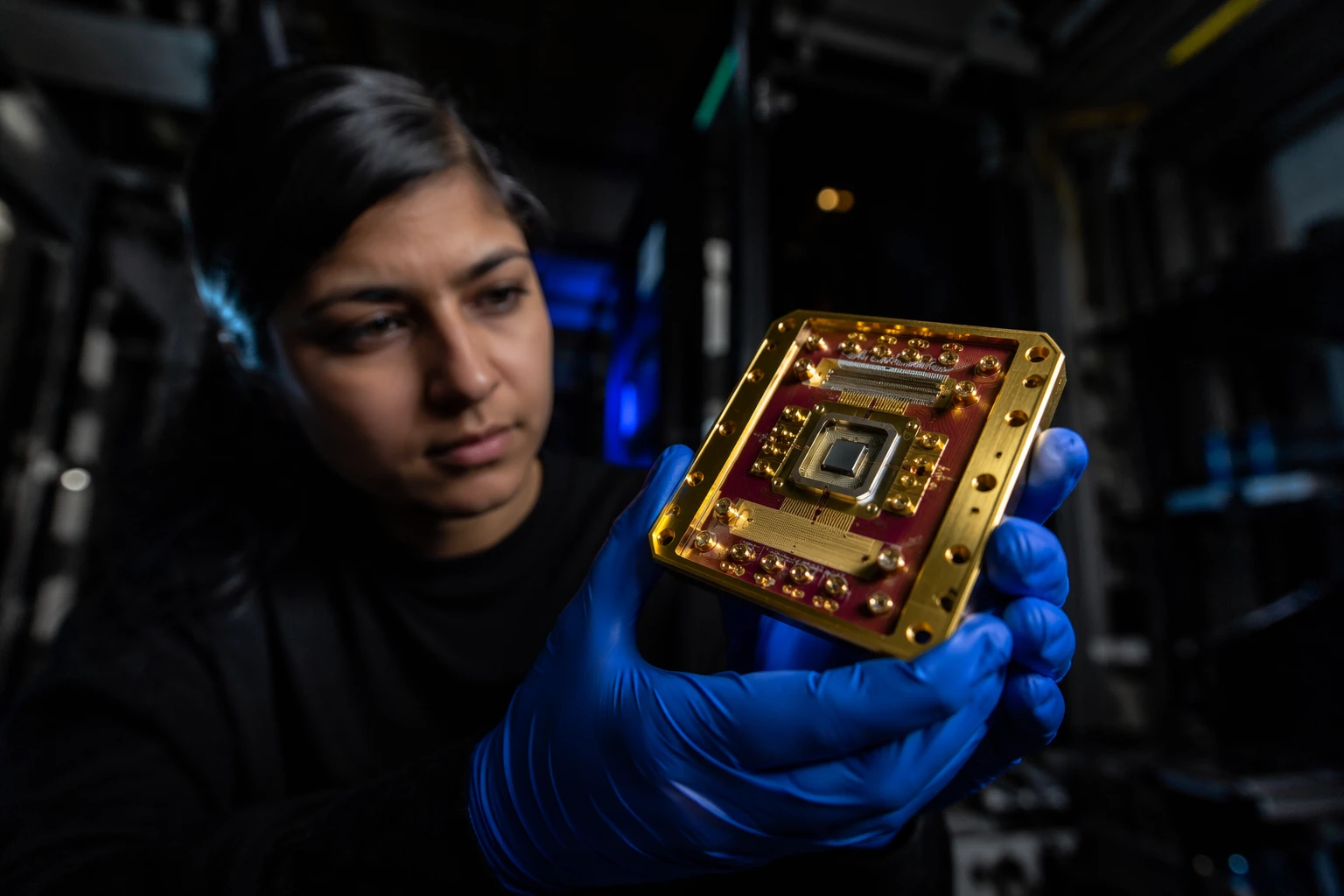
The June 2026 introduction of Majorana 2 sharpened that narrative without closing the scientific dispute. Microsoft said the new chip was 1,000 times more reliable than the previous version, used a new material stack that swapped aluminum for lead, and pushed its roadmap for a scalable practical quantum computer to 2029. The hard question is whether those engineering claims actually demonstrate the physics Microsoft says they do.
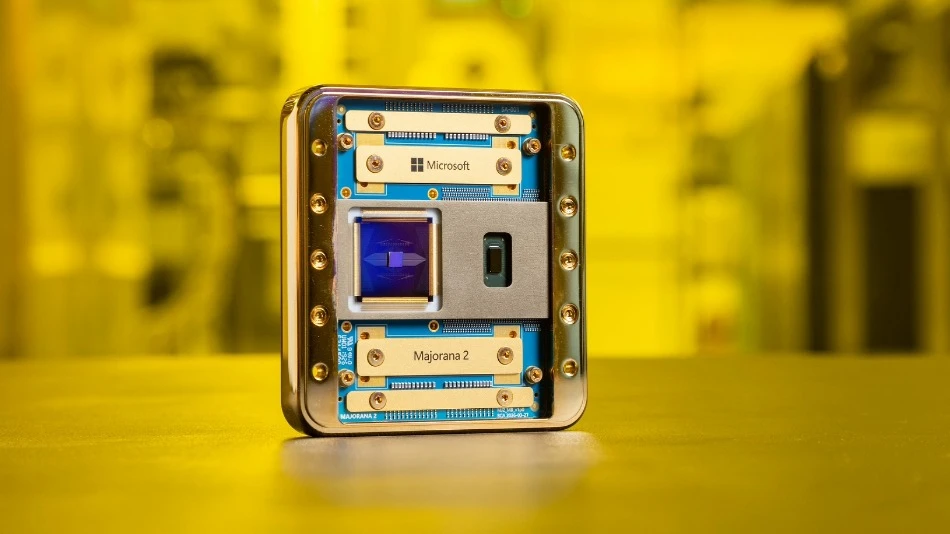
That distinction matters because topological qubits, if real and controllable, could make quantum machines much more robust against errors and bring practical systems closer. But Nature’s editorial note on Microsoft’s 2025 manuscript said the results did not represent evidence for the presence of Majorana zero modes in the reported devices, and multiple physicists have said the evidence has not yet been independently verified. Researchers and commentators said Microsoft’s presentation at the American Physical Society meeting in March 2025 did not settle the doubts, and some physicists argued the protocol used to identify the effect was flawed.
Legg’s critique goes to the heart of the credibility test. If Microsoft can show raw device data, reproduce the gap signal under independent scrutiny, and demonstrate unambiguous Majorana zero modes in working hardware, the 2029 timetable gains weight. If it cannot, Legg’s warning that the company may be “centuries, not decades away” from a working topological quantum supercomputer becomes harder for investors and policymakers to ignore.
Sources
- [1]bbc.co.uk
- [2]azure.microsoft.com
- [3]nature.com
- [4]sciencenews.org
- [5]theregister.com
- [6]legg.wp.st-andrews.ac.uk