Business
Microsoft weighs spinoff, joint venture for Xbox gaming business
Microsoft is weighing whether to pull Xbox into a more separate corporate shape, including a possible spinoff, a wholly owned subsidiary or a joint venture with outside partners. The discussion signals that one of the company’s most visible consumer businesses is no longer being treated as beyond structural change, even as Microsoft continues to market Xbox as a major part of its future.
The move would fit a broader reset inside Microsoft Gaming under Asha Sharma, who became executive vice president and CEO on February 23, 2026. Microsoft is also planning major layoffs next month, after it closes its fiscal year on June 30, according to reports, a timing that points to cost cutting and reorganization moving together rather than as separate decisions. Sharma has told employees that Xbox spending and thin margins “cannot continue,” and that the division is ending the year at about a 3% profit margin after more than $20 billion in spending over five years on content, platforms and hardware subsidies.

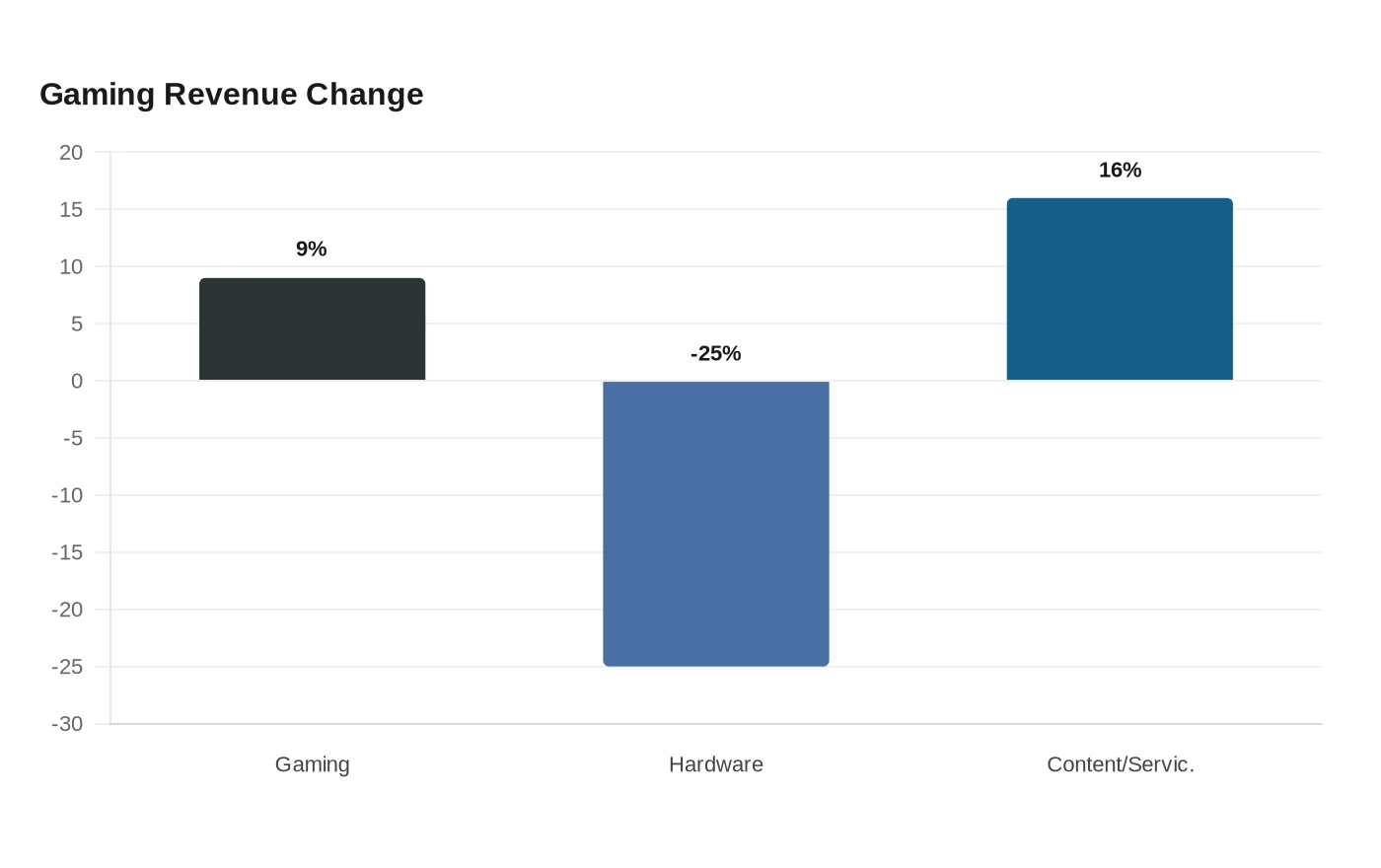
The financial picture helps explain why the company is rethinking the unit. Microsoft said in its fiscal 2025 annual report that gaming revenue rose $2.0 billion, or 9%, driven by Xbox content and services, while Xbox hardware declined. In its fourth-quarter fiscal 2025 materials, Microsoft said Xbox hardware revenue fell 25% because fewer consoles were sold, while Xbox content and services revenue climbed 16%, helped by the Activision Blizzard acquisition and Xbox Game Pass. The company’s filings define gaming broadly, covering Xbox hardware, subscriptions, Xbox Cloud Gaming, advertising and other cloud services.

That mix shows the strategic tension at the heart of Xbox. The brand still reaches a large audience, but its economics are less forgiving than Microsoft’s cloud and enterprise software franchises. A standalone subsidiary could give Microsoft cleaner reporting, more flexibility for partnerships and a path to eventual transactions. A joint venture would go further, sharing risk and potentially capital with another company. Either way, the pressure points are clear: console sales are weakening, blockbuster releases have been uneven and the subscription bet has not fully offset the cost of keeping the platform competitive.
There is precedent for Microsoft keeping prized assets separate while retaining control. LinkedIn already operates as a wholly owned Microsoft subsidiary, and GitHub has continued as a Microsoft subsidiary since its 2018 acquisition. For Xbox, that kind of structure could preserve the brand while forcing sharper discipline on exclusives, development budgets and hardware subsidies. It could also mark a bigger shift in how Satya Nadella’s Microsoft weighs consumer entertainment against an increasingly AI-first, cloud-centered core.
Sources
- [1]money.usnews.com
- [2]microsoft.com
- [3]sec.gov
- [4]news.microsoft.com
- [5]geekwire.com