US News
Middle East Conflict Draws Global Attention
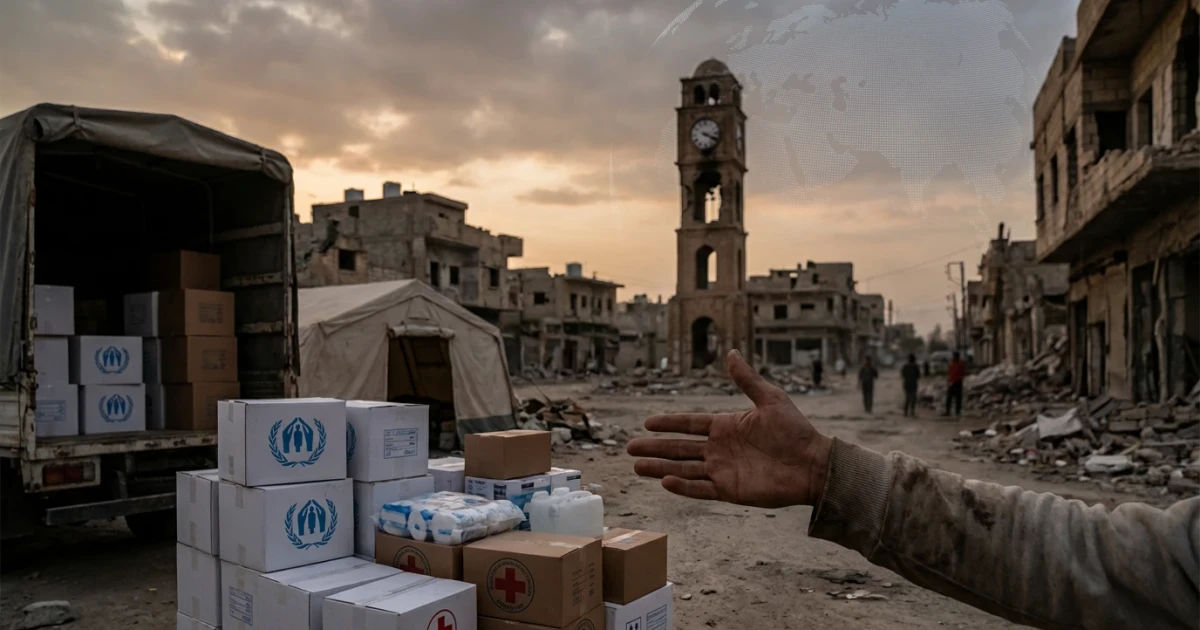
Escalating tensions and violence across the Middle East continue to dominate global headlines, as governments, humanitarian agencies, and international observers monitor the unfolding crisis. Recent coverage from NBC News underscores the growing urgency surrounding the conflict, highlighting both local impacts and broader international concerns.
Escalation and Humanitarian Concerns
Reports indicate that conflict hotspots in the region have seen a surge in military activity, resulting in increased civilian casualties and widespread displacement. According to OCHA Middle East and North Africa data, the number of civilians affected has risen sharply in recent weeks, with thousands forced to flee their homes amid ongoing clashes. Access to basic necessities, including food, water, and medical care, remains precarious in many affected areas.
- Displacement figures have reached critical levels, with millions of internally displaced persons documented across Syria, Iraq, and Palestine.
- Casualty counts continue to mount, as reported by ACLED's conflict event dashboard, which provides real-time data on fatalities and incidents.
- Humanitarian organizations are scaling up aid delivery, but logistical challenges and security concerns hamper operations.
The UNHCR Syria Regional Refugee Response portal shows that neighboring countries are facing mounting pressure as they absorb refugees from conflict zones. The strain on host communities is evident, as resources are stretched to accommodate growing numbers of arrivals.
International Response and Diplomatic Efforts
Global leaders and international organizations have called for immediate de-escalation and renewed diplomatic engagement. The United Nations has convened emergency sessions to address the humanitarian crisis, and peace negotiations are underway in an attempt to broker ceasefires and lasting solutions. Historical context and the status of current agreements can be explored through the PA-X Peace Agreements Database, which tracks official negotiations and their implementation.
Despite these efforts, NBC News coverage notes that progress remains slow, with many parties involved reluctant to compromise. The complexity of the conflict, which involves regional rivalries, political disputes, and longstanding grievances, poses significant challenges for mediators.
Impact on Civilians and Regional Stability
The ongoing violence has far-reaching consequences for the region’s social and economic stability. According to a World Bank analysis, conflict has eroded infrastructure, disrupted markets, and hindered development across the Middle East and North Africa. Education, healthcare, and employment opportunities have been severely affected, compounding the hardships faced by ordinary citizens.
- Schools and hospitals have been destroyed or rendered inaccessible.
- Unemployment rates have soared, especially among young people.
- Economic activity has slowed, with cross-border trade and investment in decline.
Human rights organizations, such as Human Rights Watch, continue to document abuses and violations, calling for accountability and protection of civilians. The official UNISPAL data collection provides detailed records on population impacts and legal developments related to the Israeli-Palestinian conflict.
Perspectives and Future Outlook
While the situation remains fluid, analysts suggest that a coordinated international approach is vital to reducing violence and addressing humanitarian needs. The International Crisis Group’s recent reports emphasize the importance of sustained dialogue, targeted aid, and localized peacebuilding efforts.
As the crisis evolves, NBC News and other major outlets will continue to provide updates on the ground, covering shifts in conflict dynamics, humanitarian response, and diplomatic initiatives. The coming weeks are likely to see intensified focus on relief efforts and negotiations, offering both challenges and opportunities for progress.
For a deeper dive into the statistics, humanitarian response, and peace efforts referenced above, readers are encouraged to explore the linked data portals and research reports.