Technology
Midjourney unveils spa-style ultrasound scanner, but proof remains thin
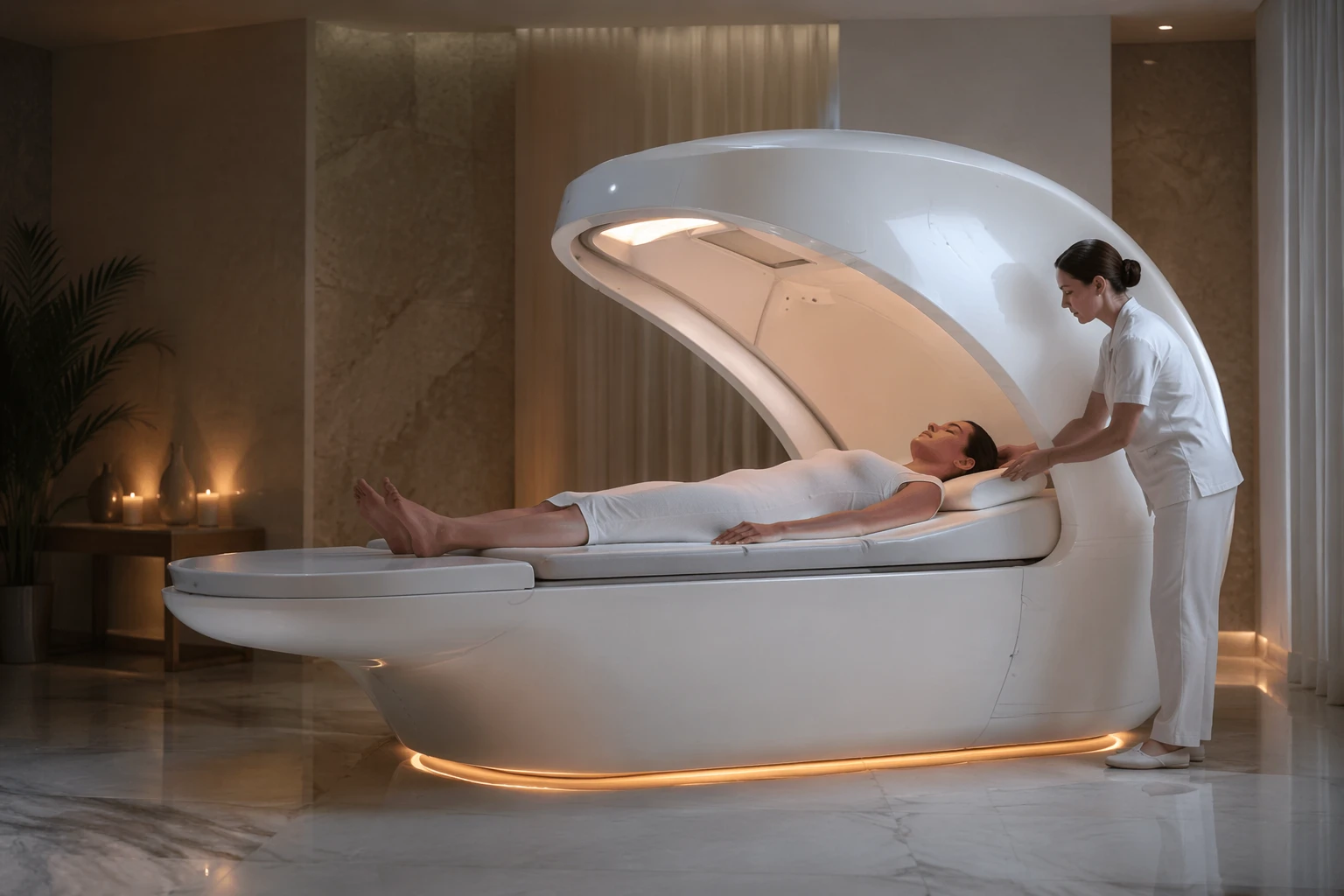
Midjourney pushed its medical bet further with a behind-the-scenes video of a dunk-tank ultrasound scanner built for spa settings, but it still has not shown public evidence that the system can deliver the clinical accuracy it promises. The AI company, best known for image generation, is trying to sell a medical vision that sounds futuristic: cheap, detailed imaging with no radiation, no magnets and a scan time it says can be done in 60 seconds.
Midjourney announced the medical division on June 18, 2026, under the name Midjourney Medical and said its first product would be Ultrasonic CT, a full-body ultrasound system that uses sound and water. The company’s own materials also point to a Midjourney Spa concept, casting the scanner as something ordinary enough to fit into a spa visit. For now, the first use case is not cancer diagnosis but body composition maps, a narrower target that may face fewer regulatory requirements than a diagnostic imaging system.
That distinction matters because the gap between a polished demo and a medical device is still wide. Public commentary around the launch has focused on the absence of validation data, the leap from a 60-second claim to a working clinical product, and the unanswered question of whether the machine can produce images that are reproducible, useful and safe enough for real-world medicine. Without those proofs, the scanner remains a concept with consumer appeal more than a proven clinical tool.
Radiology specialists have been blunt about the limits. Paul Hsieh, a radiologist, said the technology may have promising applications but is not ready for whole-body cancer screening and will not replace other imaging tools. That skepticism lands at the center of Midjourney’s pitch, because the company is not merely showing off a novel imaging toy. It is asking the market to believe an AI image company can move into diagnostics before it has answered the basic scientific and regulatory questions that define medical credibility.
The broader market already includes companies building ultrasound alternatives to traditional scanning. QT Imaging, for example, has been developing radiation-free acoustic CT for breast imaging, showing that the underlying idea is not new even if Midjourney’s spa packaging is. The difference is proof: competitors are judged on clinical performance, while Midjourney is still asking observers to bridge the distance between a glossy presentation and evidence that the scanner belongs in medicine.
Sources
- [1]theverge.com
- [2]midjourney.com
- [3]thedailystar.net
- [4]forbes.com
- [5]qtimaging.com