Politics
Midterm Elections Shape U.S. Policy Toward the Americas
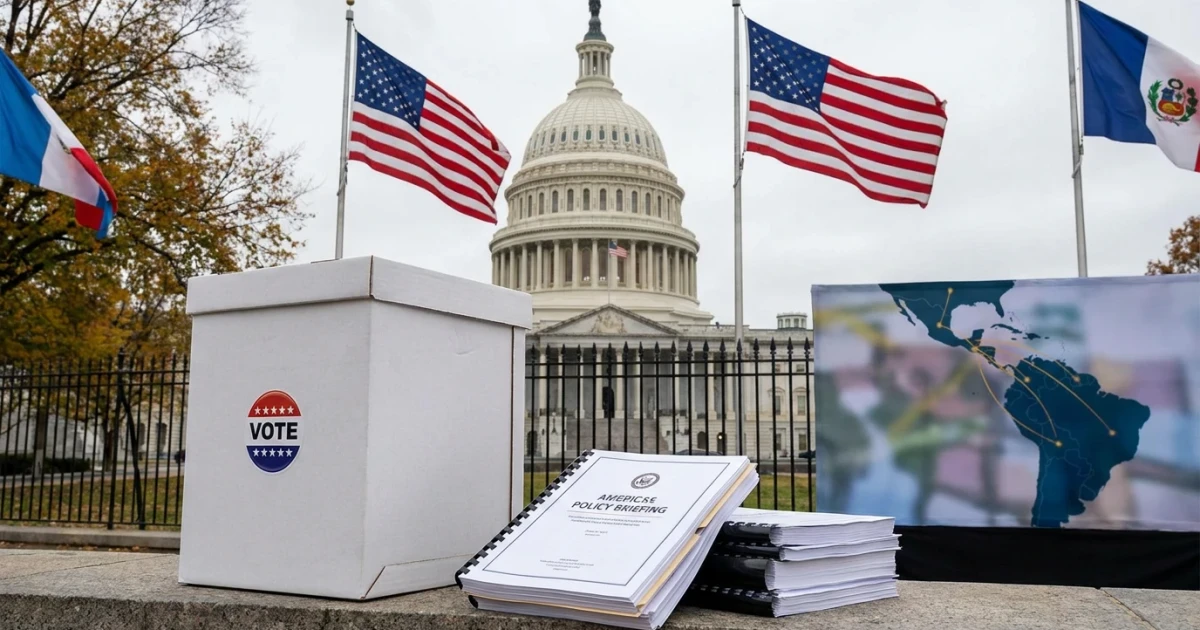
The 2024 U.S. midterm elections have set the stage for significant shifts in the country's approach to the Americas, influencing policies on immigration, trade, and regional cooperation. With new faces and changing party balances in Congress, the implications for Latin America and the wider hemisphere are already becoming clear.
Congressional Shifts and Policy Priorities
Following the midterm elections, changes in the U.S. House of Representatives and Senate have led to a reassessment of foreign policy priorities across the Americas. Americas Quarterly reports that a divided Congress may complicate efforts to pass major legislation, but bipartisan consensus remains possible on select issues such as anti-narcotics cooperation and trade agreements.
- Immigration policy stands out as a key area of debate, with some lawmakers pushing for stricter border controls and others advocating comprehensive reform.
- Trade relations with Mexico, Brazil, and other partners are under review, especially in light of global supply chain disruptions and new economic priorities.
- Human rights and democracy promotion in countries like Venezuela, Nicaragua, and Cuba continue to be discussed, though legislative action may be limited by political gridlock.
Immigration and Border Security
One of the most immediate impacts of the midterm results is on U.S. immigration policy, a critical issue for both domestic and regional stability. Americas Quarterly notes that debate over measures such as the Secure the Border Act of 2023 is likely to intensify, with House and Senate leaders prioritizing different approaches to enforcement, asylum, and legal migration channels.
While some legislators advocate for increased funding for border security and expedited deportations, others emphasize the need for expanded legal pathways and protections for migrants. As negotiations continue, the outcome will affect not only U.S. policy but also the economies and societies of neighboring countries that see large numbers of migrants heading north.
Economic and Trade Ties
Trade remains a cornerstone of U.S.-Latin America relations. The midterm elections have brought new voices into Congress, and while some advocate for greater economic integration, others call for stronger labor and environmental standards in future trade deals. Americas Quarterly highlights ongoing discussions around the modernization of the U.S.-Mexico-Canada Agreement (USMCA) and potential new agreements with South American partners.
These debates influence supply chains, foreign direct investment, and overall economic growth in the hemisphere. The direction Congress takes in the coming months will be closely watched by regional governments and investors alike.
Democracy, Human Rights, and Regional Cooperation
Promoting democracy and human rights in the Americas remains on the legislative agenda, but progress may be incremental. Americas Quarterly points out that bipartisan support exists for condemning authoritarian actions in Venezuela, Nicaragua, and Cuba. However, the path to impactful policy is complicated by shifting party priorities and limited consensus on sanctions or aid packages.
Additionally, U.S. support for electoral observation missions and regional anti-corruption initiatives is expected to continue, reflecting a longstanding commitment to democratic norms.
Looking Ahead
As the new Congress settles in, the impact of the 2024 midterm elections on U.S. relations with the Americas will unfold over time. Analysts expect ongoing debate over immigration, trade, and democracy promotion, with the potential for both partisan conflict and cross-party cooperation in select areas. Regional partners are watching closely, knowing that shifts in U.S. policy can reverberate across the hemisphere.
For readers seeking deeper data on midterm election statistics or detailed information on voter demographics, official sources such as the Pew Research Center and U.S. Census Bureau offer comprehensive datasets. Meanwhile, ongoing analysis from think tanks like the Brookings Institution will help track how these legislative changes influence the Americas in the months ahead.