Health
Migraine Relief and the Surprising Role of Nostalgic Candy
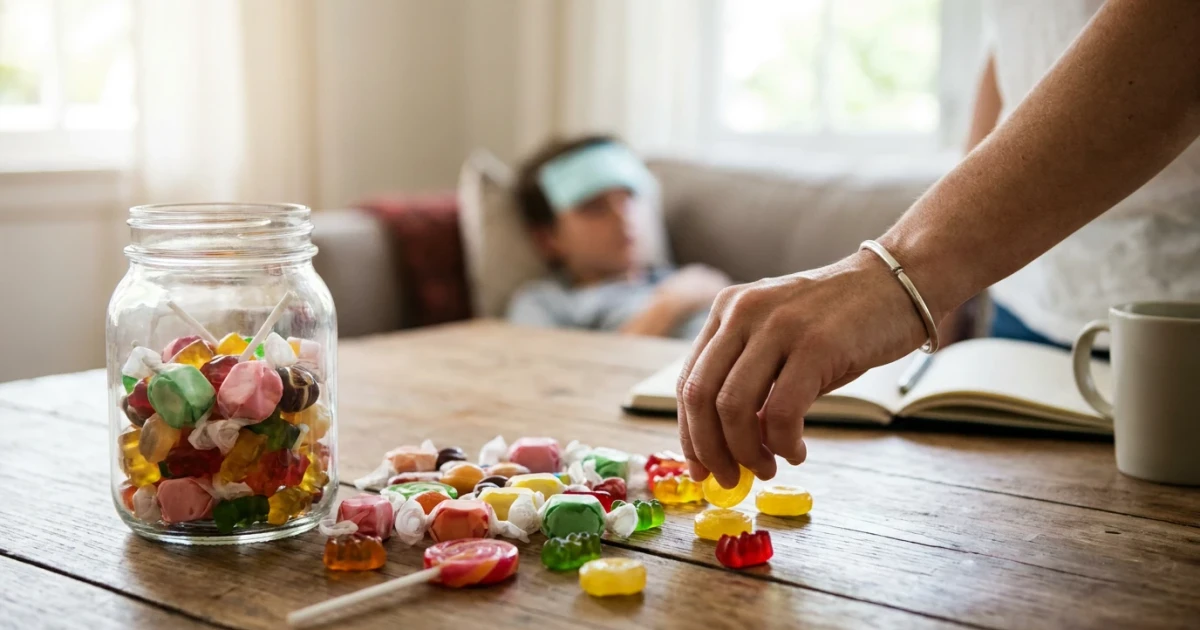
Migraine sufferers often face a long search for effective remedies, but a recent anecdote shared on AOL.com has sparked renewed interest in unconventional approaches. A 28-year-old woman described her experience with debilitating migraine symptoms and claimed that eating a nostalgic candy provided relief in just 15 minutes. While her story is unique, it raises broader questions about the relationship between sugar intake and migraine management, as well as the prevalence and impact of migraines in the United States.
Personal Experience Highlights Unconventional Migraine Relief
The AOL.com report centers on a woman who found her intense migraine symptoms dissipated rapidly after consuming a childhood favorite candy. While details about the specific candy or her medical history were not provided, her account stands out for its immediacy and the emotional connection to a nostalgic treat. Her claim—relief in just 15 minutes—contrasts with the longer timelines often associated with conventional migraine treatments.
Migraine Prevalence and Impact
- Migraines affect about 15% of adults worldwide, with a significant proportion experiencing recurring attacks, according to CDC migraine data.
- In the U.S., the annual prevalence rate for adults reporting migraine or severe headache is consistently above 15%, as shown in Statista's migraine chart.
- Migraines are characterized by intense headache, sensitivity to light and sound, nausea, and visual disturbances, impacting daily life and productivity. For more detail, see the NINDS migraine information page.
Exploring the Role of Sugar and Diet in Migraine Management
The connection between diet and migraine is complex. Research published in Headache: The Journal of Head and Face Pain suggests certain foods may trigger or alleviate symptoms. Specifically, sugar intake can influence blood glucose levels, which play a role in migraine pathophysiology, as detailed in recent scientific reviews.
Some migraine attacks are linked to hypoglycemia—a drop in blood glucose—which may explain why consuming sugar quickly relieves symptoms for some individuals. However, most experts caution that not all migraines respond to sugar, and triggers vary widely among sufferers.
Standard Treatments and Medical Guidance
While unconventional remedies like nostalgic candy may work for some, evidence-based treatments remain the foundation for migraine care. The NHS migraine treatment page outlines approaches including:
- Prescription medications (triptans, anti-inflammatory drugs)
- Preventive therapies (beta blockers, anticonvulsants)
- Lifestyle changes (hydration, sleep hygiene, dietary adjustments)
- Alternative remedies (acupuncture, biofeedback)
Medical professionals emphasize the importance of individualized treatment plans and caution against relying solely on anecdotal remedies.
Analysis: The Appeal of Nostalgic Remedies
The woman’s experience, though not clinically validated, highlights the psychological and physiological interplay involved in migraine relief. Nostalgic foods may offer comfort and trigger positive associations, potentially influencing the body's response. However, widespread adoption of such methods requires more rigorous study.
For the millions living with migraine, her story is a reminder that personal experimentation is common—and that even unconventional solutions can sometimes yield unexpected results. As research continues, understanding the nuances of diet, sugar, and migraine triggers will be key to developing more effective and personalized care strategies.