Entertainment
Mike Rugnetta on creativity, reliable power, and podcast sustainability
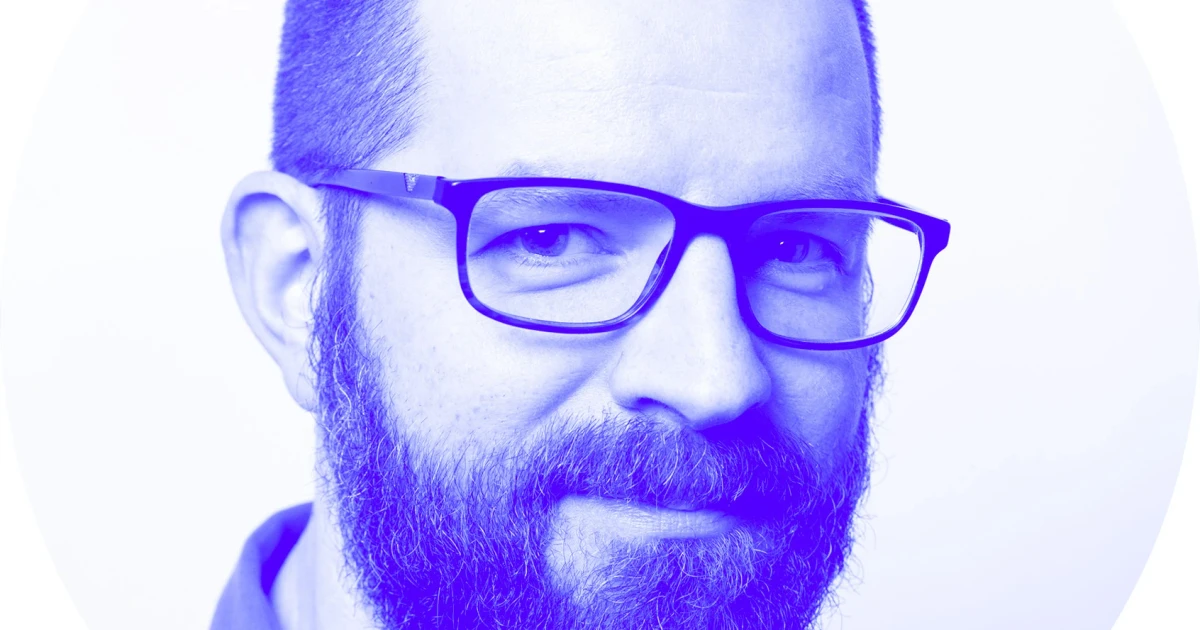
Mike Rugnetta’s career is a case study in how modern creativity depends on systems most audiences never see. As the cocreator and host of Never Post, he has spent years turning the internet itself into a subject of serious reporting, while also making a practical argument that the work behind a show is only as stable as the infrastructure that supports it. In a year when grid reliability is again under pressure from aging infrastructure and severe weather, that message feels bigger than podcasting.
A career built inside digital media
Rugnetta has worked in digital media since 2007, long enough to have seen web culture move from novelty to operating system. His résumé spans writer, host, producer, audio engineer, educator, musician, sound designer, and father, but the through line is clear: he has built a career inside the machinery of online storytelling rather than outside it.
Before Never Post, he was the former host, writer, researcher, and cocreator of PBS Digital Studios’ Idea Channel, a YouTube series that became one of the most recognizable public-media experiments on the platform. PBS honored the series in 2013 with Webby recognition that included a Webby Award and a People’s Voice Award for Mike Rugnetta as Best Web Personality/Host. That history matters because it places him among a generation of web-native public media figures who learned to make thoughtful, audience-facing work in an environment shaped by algorithms, sponsorship shifts, and changing attention spans.
Never Post and the internet as a public-interest beat
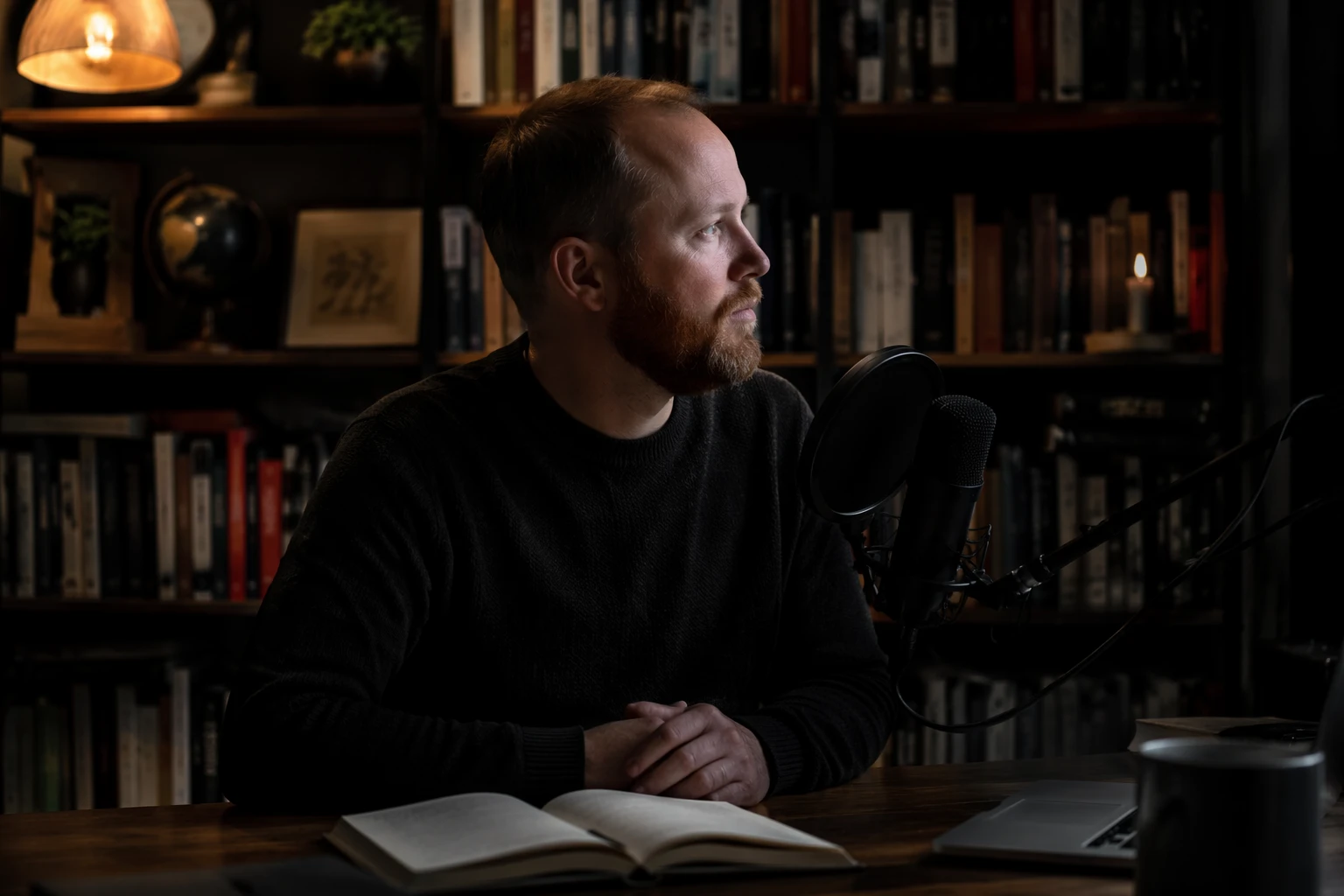
Never Post launched in 2023 and quickly established itself as a podcast about and for the internet. That framing is important: the show is not simply commentary on online life, but an attempt to treat digital culture as something with civic weight, labor implications, and public consequences. Pod platforms list the show as updated weekly with at least 91 episodes, and Apple Podcasts shows a 4.7 rating based on 117 ratings, signs of a steady audience for work that is both niche and durable.
The show’s move in March 2025 to Radiotopia from PRX gave that durability a new institutional home. Radiotopia describes itself as a network designed to support independent podcasts with artistic freedom and sustainable economics, which fits the logic of a show that depends on consistency more than spectacle. In that context, Never Post is not just a media product. It is an example of how independent audio can be organized so that creative freedom and financial stability do not have to fight each other.
Why membership is the point, not the side note
Rugnetta has been unusually direct about the business side of the show. He has said that membership is a more sustainable, more reliable, and mutually beneficial arrangement than other economic models for the sustainability of Never Post. That is not just a fundraising preference. It is an argument about how labor should be valued in a digital economy that too often rewards scale over stability.
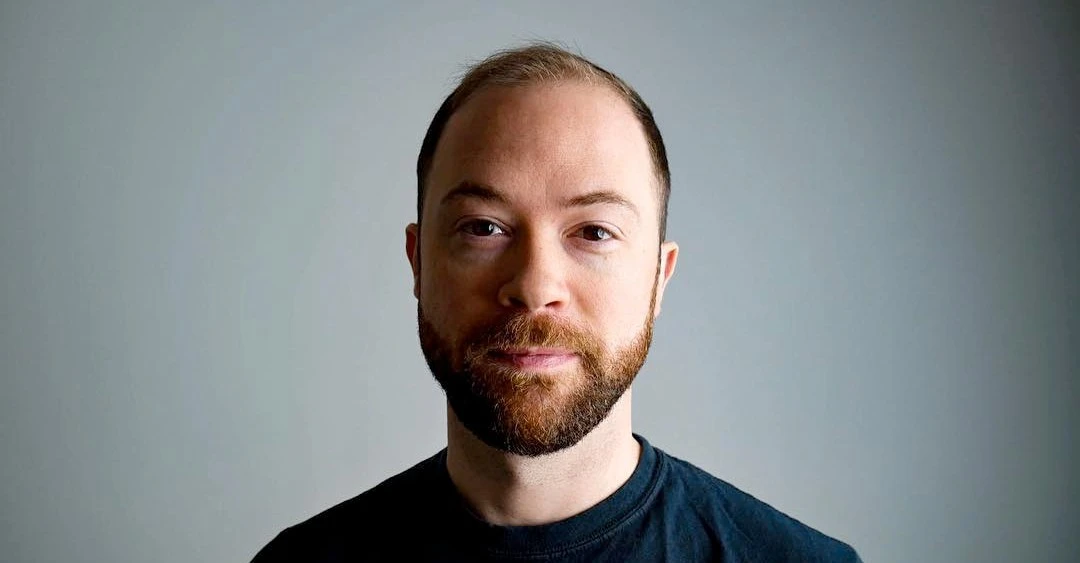
For creators working in audio, remote production, and internet-native reporting, membership can act as a buffer against the volatility of ad markets and platform dependence. It also changes the relationship between creator and audience, since support is tied to the long-term health of the work rather than a single high-traffic moment. Rugnetta’s view reflects a broader reality across independent media: sustainable creative work usually requires predictable support, not just occasional viral attention.
Reliable power as creative infrastructure
The most revealing thread in Rugnetta’s current episode is not only his creative process, but the role of reliable electricity in making that process possible. The Verge’s framing points toward a larger truth about contemporary work: remote, digital, and audio-based labor all depend on power systems that are often taken for granted until they fail. A podcast host, producer, or sound designer cannot separate creativity from infrastructure when recording sessions, editing rigs, file transfers, and network access all rely on steady electricity.
That is where the national significance of this story widens. The U.S. electric grid’s reliability has been increasingly discussed in 2026 amid aging infrastructure and severe weather concerns, and the stakes are not limited to factories or hospitals. Creators, freelancers, educators, and small media teams are part of the same dependency chain. When electricity is unstable, the losses are not abstract. They show up as missed deadlines, corrupted files, interrupted remote collaboration, and more precarious income for workers whose jobs are already built on thin margins.
What Rugnetta’s path says about the creator economy
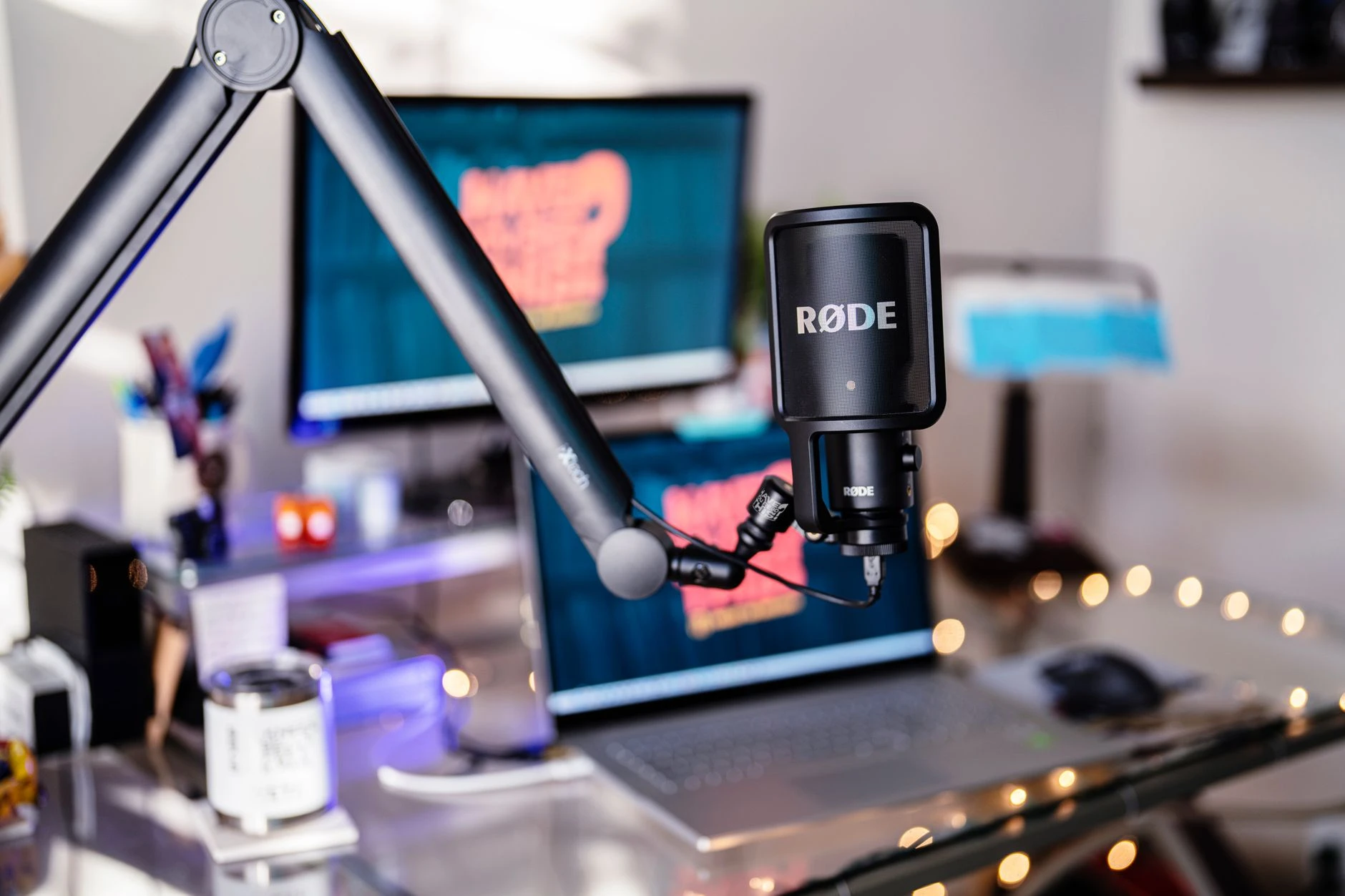
Rugnetta’s career helps explain why infrastructure belongs in any serious discussion of the creator economy. Independent media often gets described as a matter of talent, voice, or audience growth, but the actual conditions of production are more prosaic: dependable electricity, resilient platforms, a fair revenue model, and enough institutional support to keep the work going week after week. Never Post’s weekly cadence, its 91-plus episodes, and its move into a network that emphasizes sustainable economics all point to the same conclusion.
That conclusion is especially relevant for audio work, where the product may sound intimate and improvised even when it depends on highly technical labor. Rugnetta’s mix of writing, engineering, education, and performance is a reminder that modern media creators are often operating as small infrastructure systems themselves. They need power, tools, distribution, and public trust in order to do the work well.
In that sense, Rugnetta’s story is not just about one podcaster or one show. It is about the unglamorous conditions that let creative work survive at all, and about the public policy choices that determine whether those conditions hold when the weather turns severe, the grid strains, or the economics of media get shaky.
Sources
- [1]theverge.com
- [2]radiotopia.fm
- [3]neverpo.st
- [4]podnews.net
- [5]pbs.org
- [6]on.theverge.com
- [7]podcasts.apple.com