Health
Milder Ebola symptoms raise fears of faster spread in Congo outbreak
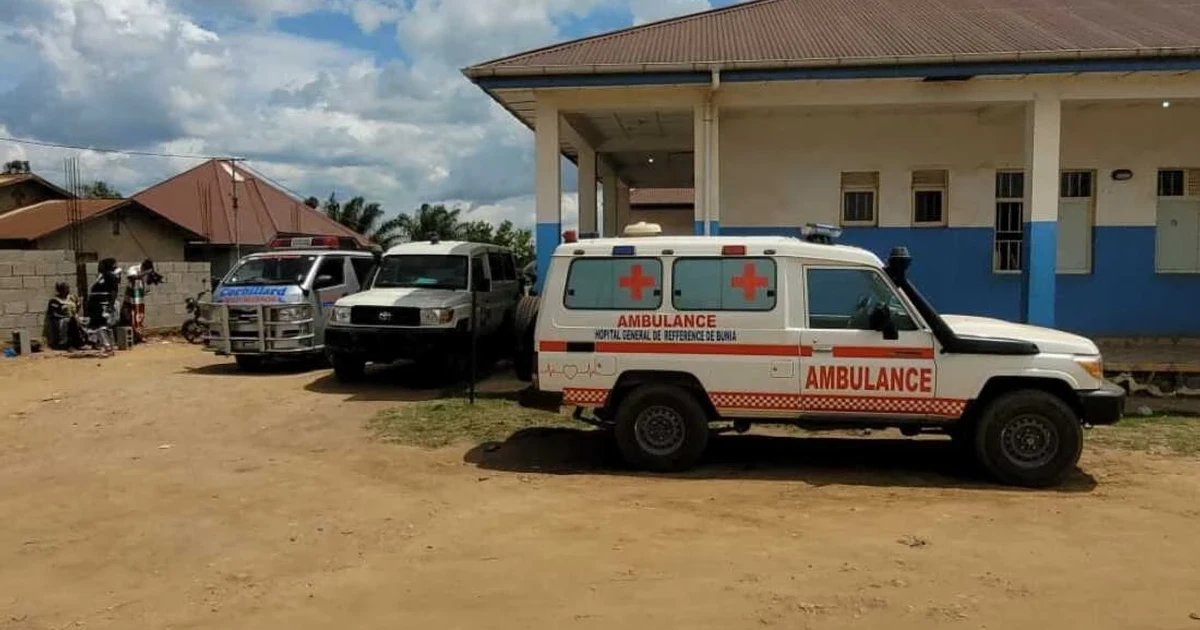
A less severe clinical picture in Congo’s Ebola outbreak may be helping some patients survive, but it is also giving health teams less to see and less time to act. That is the central public-health paradox now confronting officials as the outbreak, driven by Bundibugyo virus, spreads through the Democratic Republic of the Congo and into Uganda.
The World Health Organization was first alerted on May 5 to a high-mortality unknown illness in Mongbwalu Health Zone in Ituri Province. Laboratory testing on May 14 confirmed Bundibugyo virus disease in eight of 13 blood samples, and Congo formally declared its 17th Ebola outbreak the next day. By May 17, WHO had classified the situation as a public health emergency of international concern.
By June 22, the Centers for Disease Control and Prevention said Congo had confirmed more than 1,000 cases and 254 deaths, while Uganda had confirmed 20 cases and 2 deaths. The agency said this is the second largest Ebola outbreak on record in Congo and the fastest-growing outbreak of its kind so far, raising alarms that transmission may have been underway for months before the first official alert.
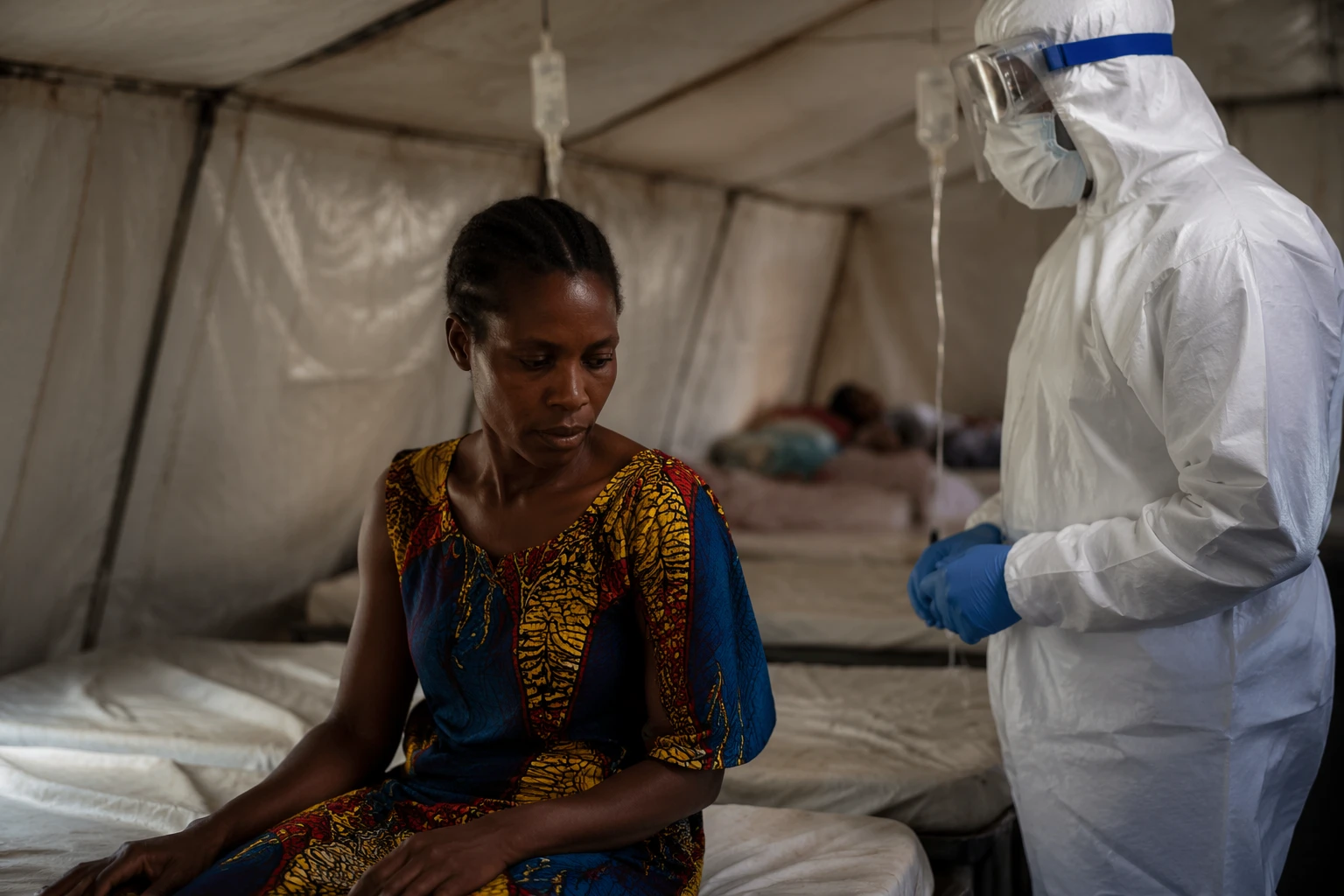
That delay matters. Health experts say a simmering outbreak can make symptoms seem milder and harder to recognize, which weakens the very tools used to stop Ebola: rapid isolation, contact tracing and strict infection control. In places with stretched clinics and limited surveillance, patients with less dramatic symptoms can move through communities, seek care late or be missed entirely, giving the virus more opportunity to spread.
WHO has said there is no licensed vaccine or specific therapy against Bundibugyo virus, unlike some other Ebola strains. Early supportive care can save lives, but the virus still carries a dangerous toll. Previous Bundibugyo outbreaks have had case fatality rates of 30% to 50%.
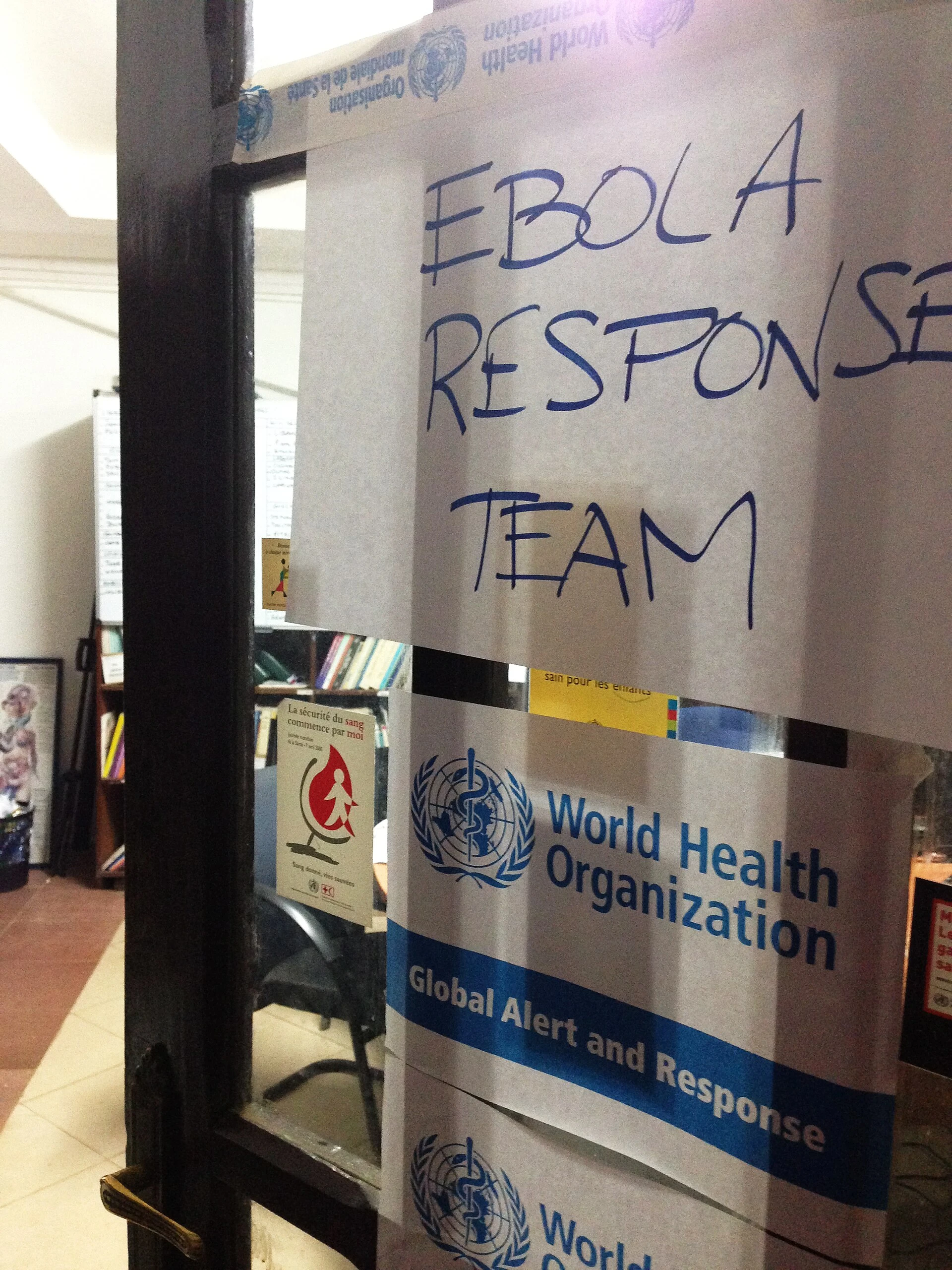
The first currently known suspected case was a health worker whose symptoms began on April 24, a sign that the chain of transmission may have started before the outbreak was recognized. WHO has deployed rapid response teams, medical supplies, strengthened surveillance, laboratory confirmation, infection prevention and control assessments, safe treatment centers and community engagement efforts.
CDC said the risk to the American public and travelers remains low, but it has issued travel health notices for Congo and Uganda and enhanced travel screening measures. Aid agencies and health officials warn the outbreak could become the deadliest on record if transmission is not slowed, and some experts say containment could take as long as a year if case counts keep rising.
Sources
- [1]nytimes.com
- [2]who.int
- [3]cdc.gov
- [4]bmj.com