Technology
Military AI Governance Faces Complex Challenges
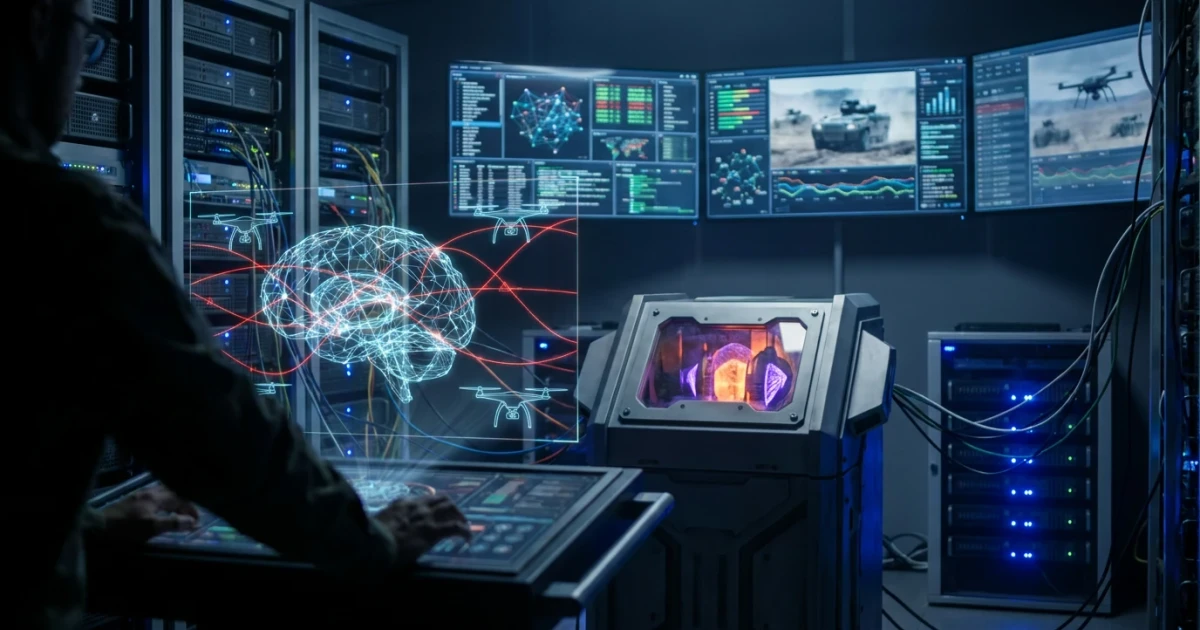
As artificial intelligence (AI) becomes increasingly integrated into military operations worldwide, the question of how to effectively govern human–machine interactions in this domain has taken on new urgency. Recent analysis in Nature underlines the growing complexity of AI deployment in defense and calls for a comprehensive re-examination of existing oversight frameworks to address emerging risks.
The Expanding Role of AI in Military Operations
AI technologies are now central to a wide range of military functions, from intelligence analysis to autonomous vehicles and decision-support systems. The SIPRI Arms Transfers Database shows a steady increase in the transfer and development of AI-enabled military technologies over the past decade, reflecting their growing strategic importance. Military organizations such as the North Atlantic Treaty Organization (NATO) and the U.S. Department of Defense have published dedicated strategies for integrating AI into their defense posture, emphasizing both operational advantages and governance needs.
Governance Gaps and Human–Machine Teaming Risks
The Nature article highlights a critical shift: as AI systems grow more autonomous and complex, traditional models of command and control may become insufficient. Researchers argue that "the interaction between humans and machines is no longer linear or static," raising new questions about responsibility, accountability, and ethical decision-making.
- Autonomous weapons and decision-support systems can operate at speeds and complexities that outpace human oversight.
- According to the United Nations Institute for Disarmament Research, gaps persist in international law and military doctrine regarding when and how human operators should intervene in AI-driven decisions.
- The ICASA AI & Autonomous Weapons Database documents a growing range of deployed and experimental autonomous systems, each presenting unique governance challenges.
Calls for Adaptive Oversight and Policy Innovation
Experts cited by Nature and supported by research from organizations such as RAND Corporation argue for adaptive and multi-layered governance frameworks that move beyond static rules. Recommendations include:
- Embedding human-in-the-loop requirements for critical decisions, especially where lethal force is involved.
- Developing technical standards that ensure transparency and traceability of AI decisions.
- Encouraging international dialogue and cooperation to address legal and ethical uncertainties, as highlighted in OECD’s AI policy and governance initiatives.
Global Implications and the Path Ahead
As AI continues to reshape military capabilities, global security experts warn that the stakes are high. Inadequate governance could lead to escalation risks, accidental conflict, or violations of international humanitarian law. The Lawfare analysis on AI and military governance underscores the need for data-driven policy and robust accountability mechanisms at every level of command.
In summary, the consensus across research and policy communities is clear: re-thinking and strengthening the governance of human–machine interaction in the military domain is essential to harness the benefits of AI while mitigating its risks. Ongoing international collaboration, adaptive oversight, and sustained investment in ethical frameworks will be critical as these technologies continue to evolve.