Technology
Military Pressures Anthropic to Allow Unrestricted AI Use
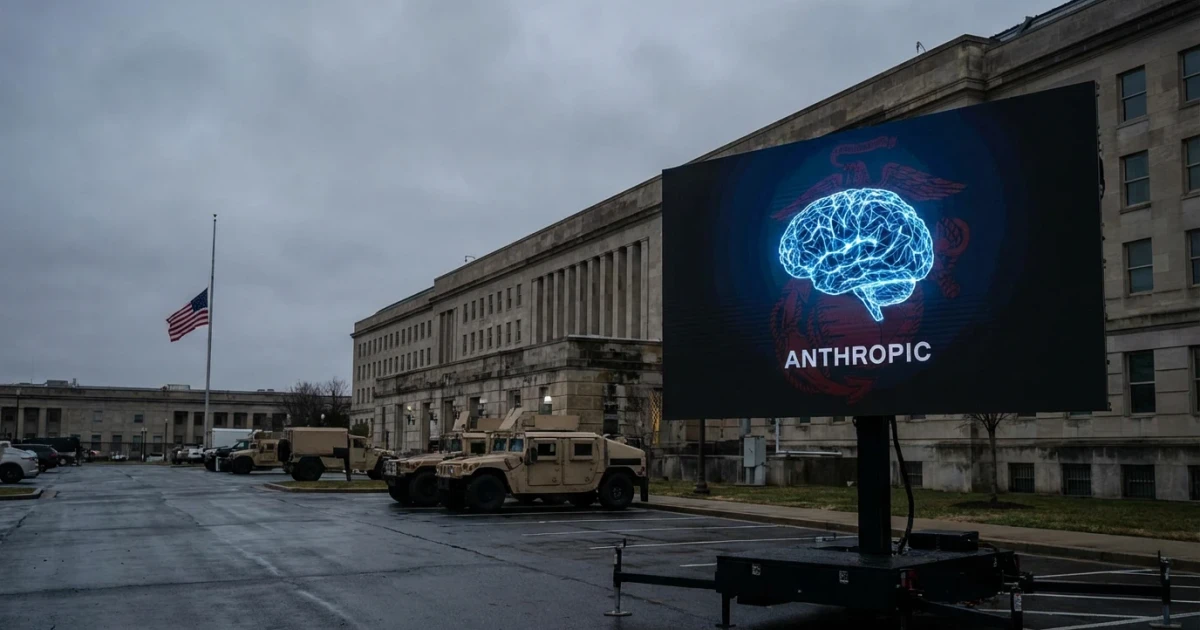
Pentagon officials have called on Anthropic, a leading artificial intelligence company, to allow the U.S. military to use its AI technology without restrictions, according to a recent Associated Press report highlighted by PBS. The demand, delivered by Pentagon spokesperson Pete Hegseth, signals growing tension between the defense sector’s push for rapid AI integration and tech companies’ efforts to impose ethical boundaries on advanced systems.
Military’s Case for Expanded AI Access
The Department of Defense has accelerated its adoption of artificial intelligence across a range of applications, from logistics and data analysis to autonomous systems and battlefield decision support. According to the Department of Defense Responsible Artificial Intelligence Strategy and Implementation Pathway, the Pentagon is investing in AI to maintain strategic advantages and improve operational efficiency. However, the military argues that limitations imposed by private AI firms could hamper these efforts.
Hegseth’s warning to Anthropic underscores the Pentagon’s desire for AI tools that can be deployed as commanders see fit, without the safety and usage constraints often embedded in commercial systems. The DoD’s official AI Adoption Strategy details the importance of flexible partnerships with tech providers who support military objectives.
Tech Industry’s Focus on AI Safety
Anthropic, like several of its peers, has built its reputation around strong AI safety protocols. The company’s published Approach to AI Safety outlines technical guardrails, governance mechanisms, and ethical guidelines for the deployment of its models. These measures are designed to prevent misuse, including in high-stakes contexts such as autonomous weapons or surveillance operations.
Industry analysts point out that AI companies face mounting pressure from various stakeholders—including governments, civil society, and investors—to ensure that their technology is not used in ways that could cause harm or violate international norms. Some firms have refused or limited contracts with military agencies, citing concerns over potential escalation or lack of oversight.
Balancing Security and Ethics
The Pentagon’s push for unfettered access to AI highlights a growing debate within national security and technology policy circles. On one side, defense leaders argue that the U.S. must leverage advanced AI capabilities to deter adversaries and respond to threats. On the other, ethicists and technologists caution that removing safeguards could lead to unintended consequences, including accidental escalation or loss of human oversight in critical decisions.
- The Congressional Research Service notes that the pace of military AI adoption raises questions about transparency, accountability, and compliance with laws of armed conflict.
- The Government Accountability Office has found that while the DoD is developing and acquiring AI-enabled systems, challenges remain in governance and oversight.
- Public opinion polls show Americans are divided on the use of AI in national defense, especially regarding lethal autonomous weapons systems.
What Comes Next?
As the Pentagon increases pressure on tech companies like Anthropic, the U.S. faces critical decisions about the future of AI in warfare and defense. The outcome of these debates will likely shape not only military capabilities but also the ethical standards governing how advanced technology is used in national security.
For now, the tension between military necessity and AI safety shows no signs of abating. Ongoing dialogue among policymakers, industry leaders, and civil society will be essential to balancing innovation with responsibility as artificial intelligence becomes ever more central to defense strategy.