Business
Millions Face Power Disconnects as Utility Shutoffs Surge
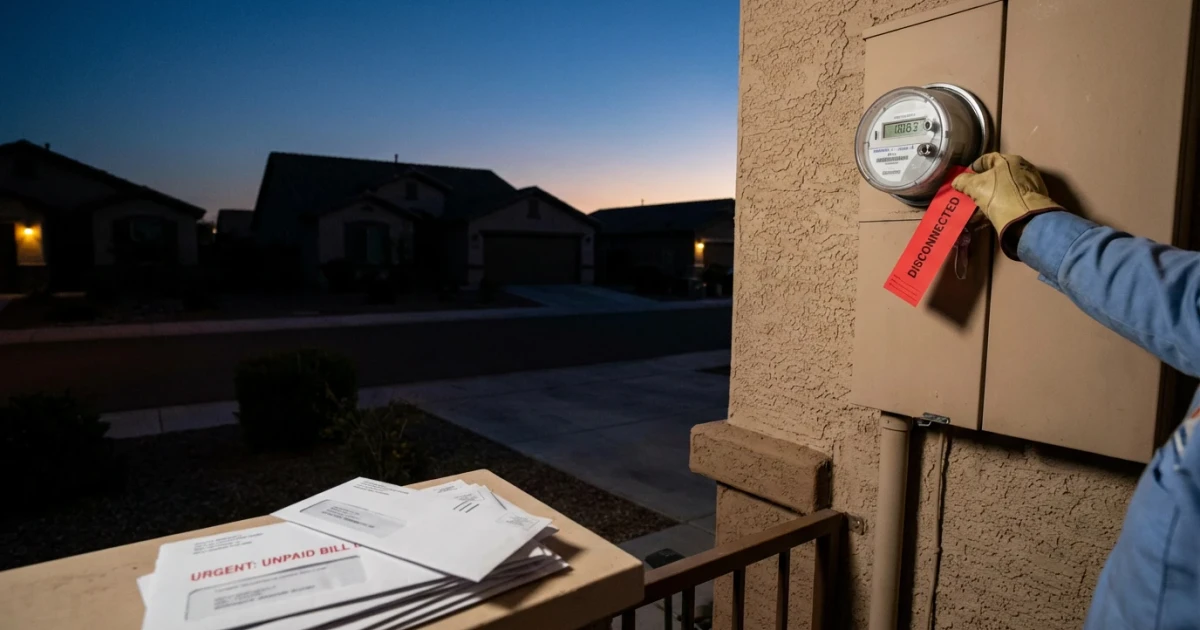
Americans experienced more than 13 million electricity shutoffs in a single year, according to newly compiled data reported by The Washington Post. The sweeping wave of disconnections highlights the growing challenges many households face in keeping up with utility bills, with Florida ranking among the states with the highest rates of power shutoffs.
Shutoff Numbers Reveal a Widespread Crisis
The Washington Post analysis, drawing on data from utility filings and energy regulators, reveals the sheer magnitude of the problem. Over the course of one year, utility companies across the United States disconnected electricity services 13 million times due to unpaid bills. This figure underscores the pressure on low- and middle-income families as energy costs rise and inflation squeezes household budgets.
- States with larger populations and warmer climates, such as Florida, saw some of the highest shutoff rates.
- Many utilities resumed aggressive collection practices as pandemic-era protections expired.
- Shutoffs disproportionately affect vulnerable populations, including seniors and low-income families.
Florida Among States Most Impacted
Florida stands out as one of the states where residents are especially at risk of disconnection. The Washington Post notes that the state is consistently listed among the top for electricity shutoffs, reflecting both high energy demand and the economic strain on many households. Data from the Florida Public Service Commission confirms that major utilities in the state report elevated disconnection rates, particularly in the Tampa Bay area and other densely populated regions.
Several factors contribute to Florida's vulnerability:
- High air conditioning usage drives up electricity consumption and bills.
- Median incomes in some regions lag behind the national average.
- Fewer statewide protections against utility shutoffs compared to northern states.
Understanding Utility Shutoff Practices
Utility companies generally follow regulated procedures when disconnecting customers, but policies differ widely by state and provider. The National Consumer Law Center tracks utility shutoff data, indicating that certain states have implemented moratoriums or customer protections, while others leave more discretion to the utilities.
According to the NRDC's research on shutoff practices:
- Most utilities provide at least one written warning before disconnection.
- Some states require utilities to offer payment plans or assistance programs first.
- Others lack robust consumer protections, allowing for quicker or more frequent shutoffs.
The EPA's explainer on electricity systems details how utilities are regulated and how customer billing works, giving context to why disconnections occur when bills remain unpaid.
Who Is Most Affected?
Shutoffs tend to hit hardest in communities already struggling with economic instability. The Washington Post reports that families in lower-income neighborhoods are more likely to face repeated disconnections, which can have cascading effects:
- Loss of refrigeration for food and medication
- Health risks during extreme heat or cold
- Disrupted access to work, education, and healthcare
Advocates and policymakers warn that without additional protections or assistance, millions more could face utility shutoffs in the coming year, especially as energy prices fluctuate and emergency aid programs wind down.
Looking Ahead
The surge in electricity shutoffs puts a spotlight on the need for stronger consumer protections and more robust assistance programs. As utilities and regulators debate next steps, the latest data offers a clear signal of the scale of the challenge. For the millions of Americans living with the threat—or reality—of losing power, the issue remains urgent and unresolved.