Health
Millions of Americans take on the growing burden of caring for parents
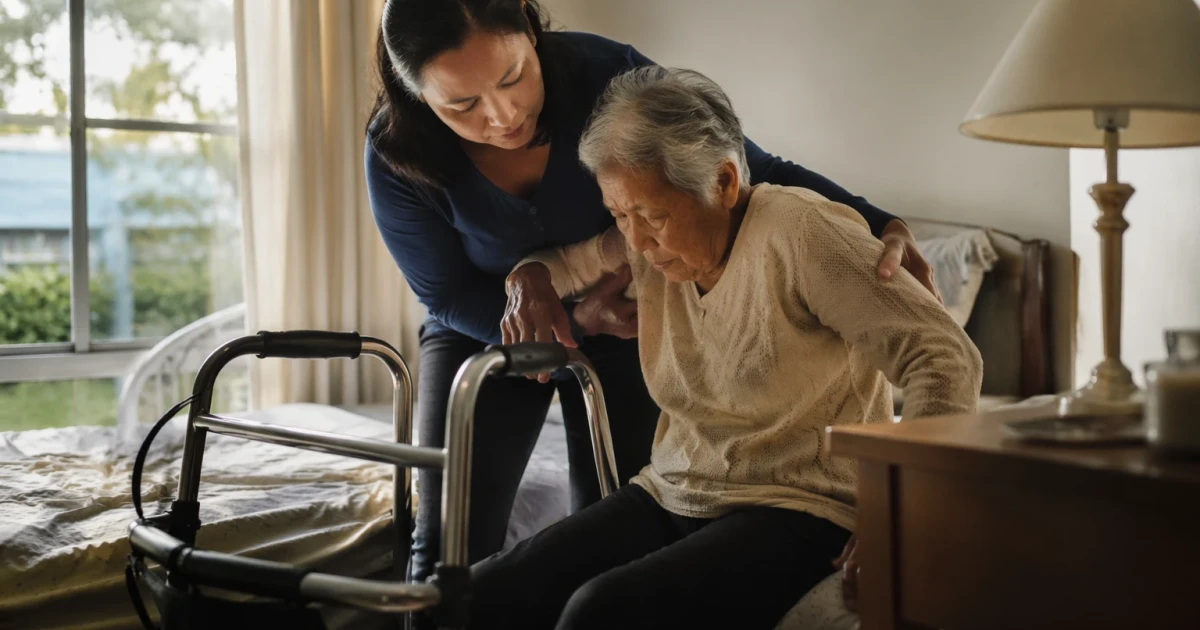
More than 63 million Americans were providing ongoing care in 2025, a nearly 50% increase from 2015 that has turned family caregiving into a major part of the nation’s hidden social infrastructure. AARP and the National Alliance for Caregiving estimate that about 1 in 4 adults is now helping with an aging parent or other relative, often doing far more than keeping someone company.
The work inside that role is broad and relentless. In the Caregiving in the U.S. 2025 survey of 6,858 family caregivers, about 70% said they monitor health conditions and coordinate care, while many also handle medication, medical tasks, transportation, shopping and appointments. About 61% of adult family caregivers are working while trying to manage those responsibilities, a collision that has made employer flexibility and job protections central policy issues.
That pressure shows up directly in the workplace. In a 2024 AARP and S&P Global survey of 1,200 employed caregivers at large U.S. companies, nearly 70% said they struggled to balance work and caregiving. The problem is not just missed hours or stress at home. It is a labor-market issue, with workers shifting schedules, cutting back hours or leaving jobs altogether when care needs intensify.
The economic scale is staggering. AARP estimates the value of unpaid family caregiving exceeded $1 trillion in 2024. Family caregivers of adults provided 49.5 billion hours of care, the equivalent of 23.8 million full-time workers. Those hours fill the gaps left by a long-term-care system that is expensive, fragmented and often out of reach for middle-class families.
Dementia care makes the strain even clearer. The CDC says about 80% of adults with Alzheimer’s disease and related dementias receive care at home, and more than 11 million U.S. adults provide unpaid care for someone with dementia. In 2023, those caregivers supplied about 18.4 billion hours of care, a workload that often stretches families over years as memory loss deepens and daily supervision becomes constant.
Public health officials increasingly treat caregiving as a population-level issue, not a private family matter. Longer life expectancy and chronic disease are increasing the need for care, while the CDC warns that caregiving itself can harm caregivers’ own health. That is driving calls from AARP and other advocates for paid leave, respite care, workplace protections and financial support so more families can keep loved ones at home instead of relying on costly institutions.
Sources
- [1]nytimes.com
- [2]caregivingintheus.org
- [3]aarp.org
- [4]cdc.gov
- [5]caregiving.org
- [6]johnahartford.org