Health
Millions of U.S. children are acting as family caregivers
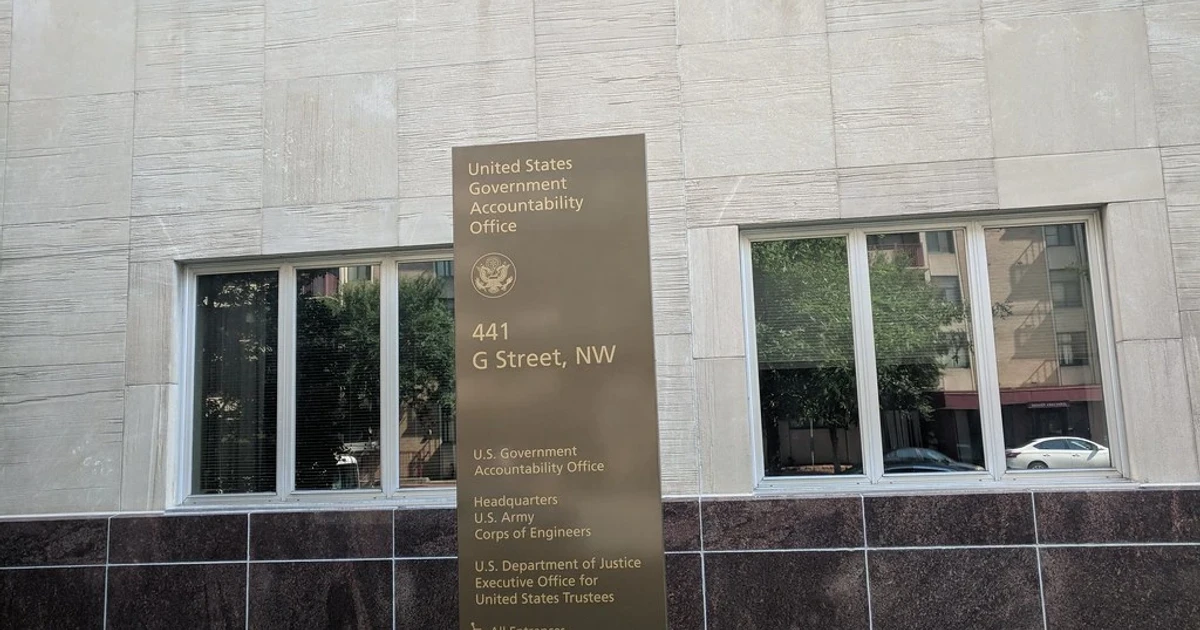
The U.S. Government Accountability Office said research estimates 3 million to 5 million minors may be caregivers, a hidden slice of the unpaid labor that keeps households and the health system running. In a May 14, 2025 report, the agency said little is known about caregiving youth nationwide, even as those children may be helping with tasks that are difficult to balance with their own needs.
That gap sits inside a much larger care economy. AARP and the National Alliance for Caregiving said in July 2025 that 63 million Americans served as family caregivers in the prior year, about 1 in 4 adults. AARP has also described that pool as 59 million people caring for adults and 4 million caring for a child with special health needs, a sign that unpaid care is spread across nearly every kind of household.
The federal data already show children appearing in that load-bearing work. A 2020 HRSA-hosted report on caregiving found that among caregivers who reported other unpaid help, 14% said at least one unpaid caregiver was a child under 18. A 2024 peer-reviewed paper put the number of children and adolescents with caring roles in the United States at an estimated 5.4 million before the COVID-19 pandemic, a figure the American Association of Caregiving Youth has also used.
The policy response has not kept pace. The GAO said key federal caregiver support programs focus on adults rather than caregiving youth, and found that Health and Human Services’ website does not clearly explain when youth may qualify for support services. That leaves families to improvise in a system built around adult caregivers, even though the burdens often land on minors.

This is not a new pattern. A 2005 survey by the National Alliance for Caregiving and United Hospital Fund was already focused on young caregivers in the United States, and the Census Bureau has repeatedly documented how families patch together care with relatives when formal systems fall short. In November 2023, the bureau said about 1 in 5 parents relied on a relative for child care.
The numbers point to the same policy failure from different angles: America relies on unpaid family labor, then undercounts the youngest workers doing it. When care support is unaffordable or unavailable, the cost does not disappear. It shifts into childhood, where it can shape schooling, mental health and the next generation’s chances long after the household crisis passes.
Sources
- [1]nytimes.com
- [2]aarp.org
- [3]caregivingkinetics.com
- [4]gao.gov
- [5]files.gao.gov
- [6]johnahartford.org
- [7]hrsa.gov
- [8]census.gov
- [9]aacy.org
- [10]facebook.com
- [11]pmc.ncbi.nlm.nih.gov