Politics
Minneapolis Shootings Ignite Intense Immigration Debate in Congress
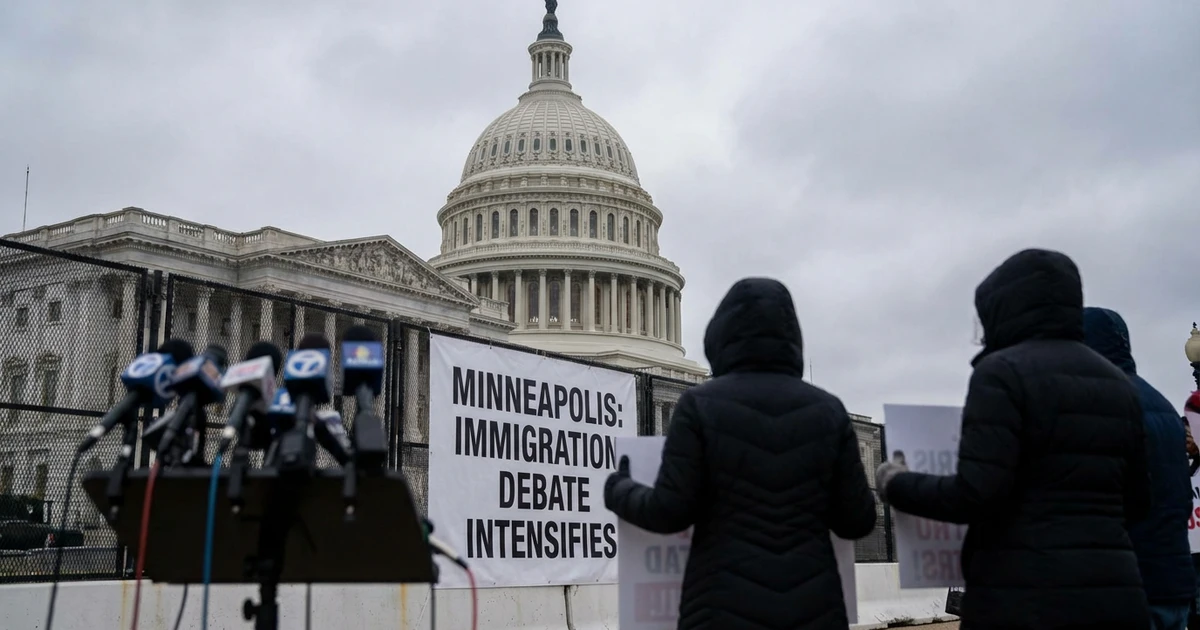
Recent shootings in Minneapolis have become a flashpoint in the ongoing national debate over immigration policy, sharply influencing the tone and direction of legislative discussions in Congress. As the incidents draw widespread public attention, lawmakers across the political spectrum are re-evaluating their stances and strategies in an already contentious policy area.
Rising Tensions and a Shift in Congressional Priorities
The wave of violence in Minneapolis has not only alarmed local communities, but also reverberated in Washington, D.C., where immigration is once again at the forefront of the national agenda. According to multiple reports, the shootings have intensified scrutiny of current immigration laws, enforcement practices, and the effectiveness of integration policies.
Key legislators are citing the events in Minneapolis as evidence in support of their positions:
- Some lawmakers are calling for stricter border controls and more comprehensive vetting procedures.
- Others argue that community safety is best served by inclusive policies that foster trust between immigrants and law enforcement.
- The incidents have led to proposed amendments to pending immigration bills, with renewed calls for bipartisan negotiations.
Political Realignment and Partisan Rhetoric
The shootings have fueled both partisan rhetoric and political realignments within Congress. Lawmakers facing pressure from their constituents are advancing a range of legislative responses, from enhanced security provisions to increased funding for local policing. The events have also become a talking point in upcoming election campaigns, with candidates leveraging the issue to energize their bases.
Experts note that the timing of these incidents—amid ongoing debates over border security and asylum reform—has amplified their impact on Capitol Hill. Congressional hearings are expected to focus on the Minneapolis shootings as a case study, with witnesses including law enforcement officials, policy analysts, and community leaders.
Broader Implications for Immigration Policy
The upsurge in violence has prompted renewed discussions about the balance between public safety and humanitarian obligations. Policy analysts warn that reactionary measures could risk undermining longstanding efforts to create a fair and effective immigration system. At the same time, public sentiment has shifted in some regions toward more restrictive approaches, increasing the political stakes for lawmakers seeking re-election.
While the specifics of the Minneapolis incidents are still under investigation, their political consequences are already apparent. Congressional leaders have signaled that immigration will remain a central issue on the legislative docket in the coming months, with the potential for major policy shifts depending on the outcome of ongoing debates.
Looking Ahead
As investigations continue and the community seeks healing, the Minneapolis shootings are likely to have a lasting impact on both local and national politics. The legislative response—and the broader national conversation—will shape the trajectory of U.S. immigration policy for years to come.
Sources
- [1]oaoa.com