US News
Minnesota Economic Blackout Unites Businesses and Workers in Protest Against ICE Policies
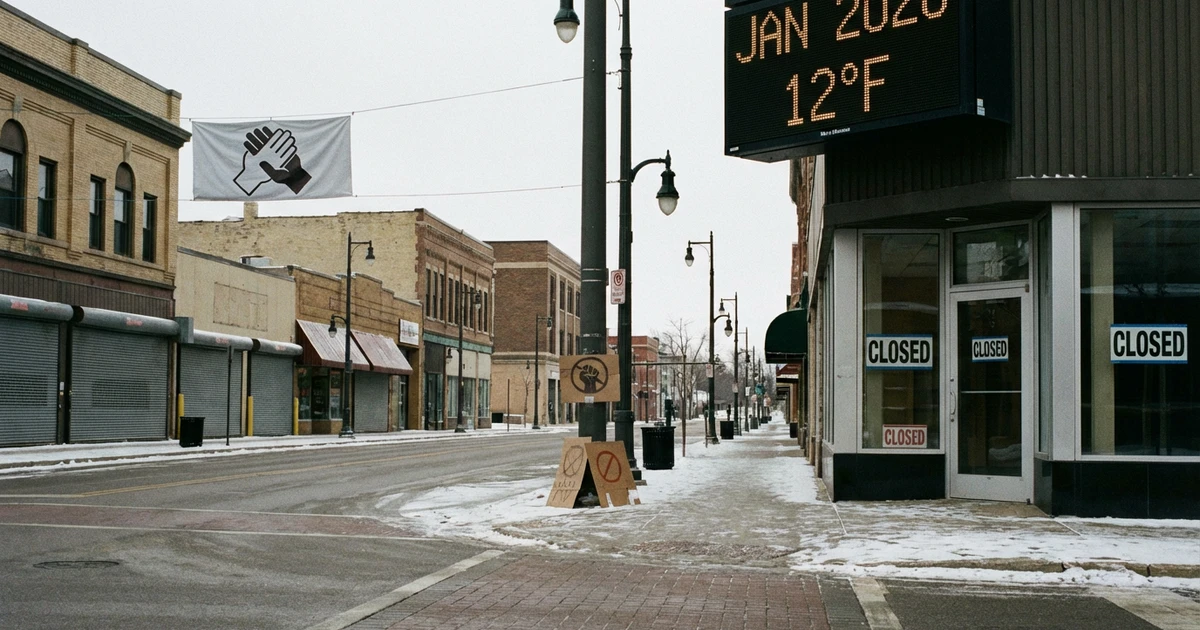
Minnesota witnessed a powerful display of community solidarity this week as hundreds of businesses and thousands of residents participated in a coordinated economic blackout, aiming to protest federal Immigration and Customs Enforcement (ICE) operations in the state. The movement, encapsulated by the rallying cry 'No work, no school, no shopping', saw widespread closures and a significant pause in daily activities across cities and communities.
Community-Wide Action: 'No Work, No School, No Shopping'
The protest was designed as an economic blackout, with organizers urging Minnesotans to refrain from attending work, sending children to school, or engaging in any shopping or commercial activity for the duration of the event. According to reports, the action drew participation from a diverse coalition of business owners, workers, students, and advocacy groups, all united by opposition to recent ICE enforcement actions in the region.
- Hundreds of businesses closed their doors in a rare act of collective action.
- Many families kept children home from school as a sign of solidarity.
- Shoppers were encouraged to delay purchases to amplify the economic impact.
Businesses Take a Stand
Local businesses played a pivotal role in the protest, with many posting signs and public statements explaining their participation. The Guardian described the sentiment as one of mounting frustration over ICE’s presence and tactics in Minnesota communities. The widespread business closures sent a clear message that economic activity can be used as leverage for social and political advocacy.
Protest Motivations and Community Impact
The catalyst for the blackout was a series of recent ICE operations that community members say have created an atmosphere of fear and uncertainty, particularly among immigrant families. Organizers emphasized that the action was not just about policy, but about the safety and dignity of residents who feel threatened by aggressive enforcement practices.
By disrupting the ordinary flow of commerce and education, participants aimed to highlight the essential contributions of immigrants to the state’s economy and society. The message, as reported by The Guardian, was clear: when immigrant workers and business owners are targeted, the entire community feels the effects.
Statewide Response and Political Implications
The size and scope of the blackout drew attention from political leaders and policymakers. While some state officials acknowledged the right to peaceful protest, others expressed concern about the economic ramifications of such widespread shutdowns.
Advocacy groups behind the blackout see the event as a potential turning point in Minnesota’s ongoing debate over immigration enforcement and community protection. The protest’s visibility has sparked renewed calls for state and local governments to limit cooperation with federal immigration authorities and to enact policies that safeguard vulnerable populations.
Looking Forward: The Power of Collective Action
The economic blackout in Minnesota stands as a testament to the power of coordinated, grassroots action in the face of controversial federal policies. While the full economic and political impact remains to be seen, organizers hope the protest will compel policymakers to reconsider the role of ICE in local communities and prompt broader discussions about justice, inclusion, and the protection of immigrant rights.
For further updates and in-depth coverage of immigration and protest movements in Minnesota, readers can continue following The Guardian and other trusted news outlets.
Sources
- [1]The Guardian