Lifestyle
Minnesota Restaurant Encourages Bipartisanship With Free Lawmaker Meals
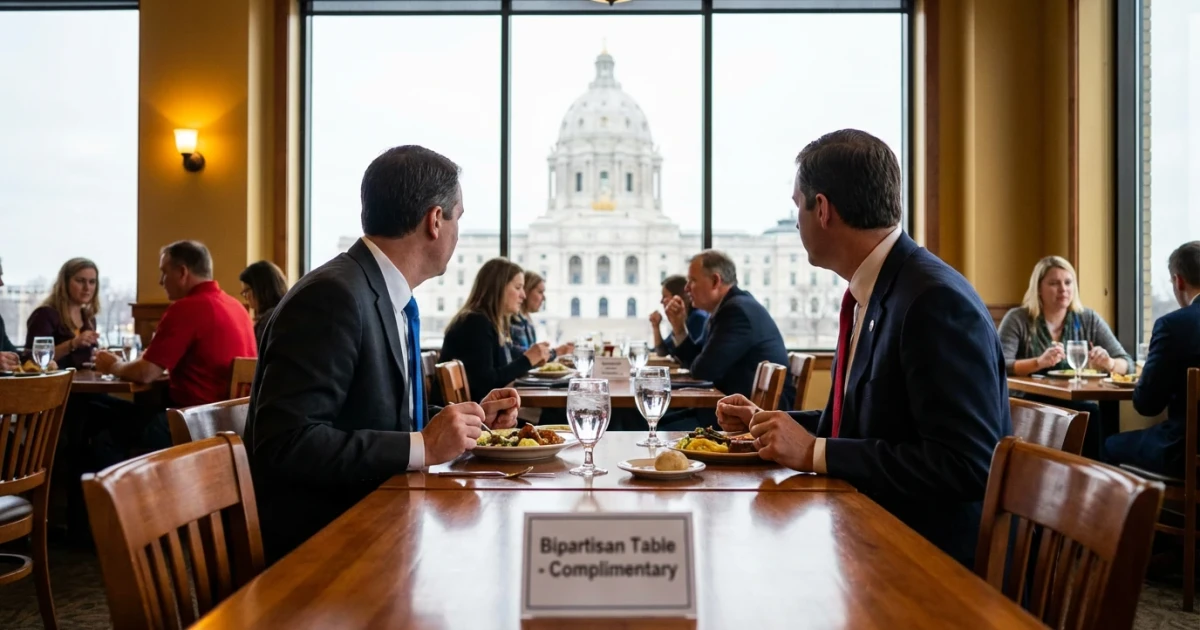
A Minnesota restaurant is taking an innovative approach to political unity by offering free meals to state lawmakers who dine with colleagues from the opposing party. This initiative, first reported by FOX 9 Minneapolis-St. Paul, aims to encourage bipartisanship and dialogue amid increasing political polarization in both the state and the nation.
Promoting Dialogue Across the Aisle
The offer is straightforward: any current member of the Minnesota Legislature who brings a colleague from the other major party to dine together receives their meal at no cost. The restaurant's management hopes this simple gesture will foster more productive conversations and personal connections between lawmakers who often find themselves on opposing sides of policy debates.
Context of Political Polarization
The initiative comes at a time when political divides are frequently cited as barriers to legislative progress in Minnesota and across the country. According to a Pew Research Center analysis, a majority of Americans believe the country is more politically divided than in previous decades, with declining trust in government’s ability to address issues through bipartisan cooperation.
Within the Minnesota Legislature, the balance of party power has frequently shifted in recent sessions, intensifying the need for cross-party dialogue to pass legislation. The 2023 legislative session saw a modest number of bills passed with bipartisan support, as tracked by Minnesota Public Radio, but partisan votes still dominated many high-profile decisions.
How Bipartisanship Works in Practice
While the restaurant’s offer may seem symbolic, it touches on the broader concept of bipartisanship, where members of different political parties cooperate to craft and pass legislation. In practice, such cooperation can be rare, especially on contentious issues, but it remains a cornerstone of effective governance both at the state and federal levels.
Efforts to encourage bipartisan relationships—like the restaurant’s free meal program—are supported by research indicating that informal, personal interactions can help break down ideological barriers and foster trust. While the long-term impact of such gestures on legislative outcomes remains to be seen, programs like this highlight the value of building relationships beyond the chamber floor.
Looking Forward
- The restaurant’s offer is ongoing, and any lawmakers participating will have their meals covered when dining with someone from the opposite party.
- According to the 2023 session data, bipartisan cooperation remains limited but is seen as vital for passing significant legislation.
- The public can explore the current roster of Minnesota legislators to see which lawmakers might take up the restaurant’s challenge.
While it’s too early to measure the direct effects of the free meal program, the initiative has sparked conversations about the importance of bipartisanship—both in the legislature and in the broader public. As Minnesota’s political environment continues to evolve, efforts that encourage dialogue and cooperation may help bridge divides and lead to more effective governance.