World
Missile Attack in UAE Raises Tensions Amid Iran Ceasefire
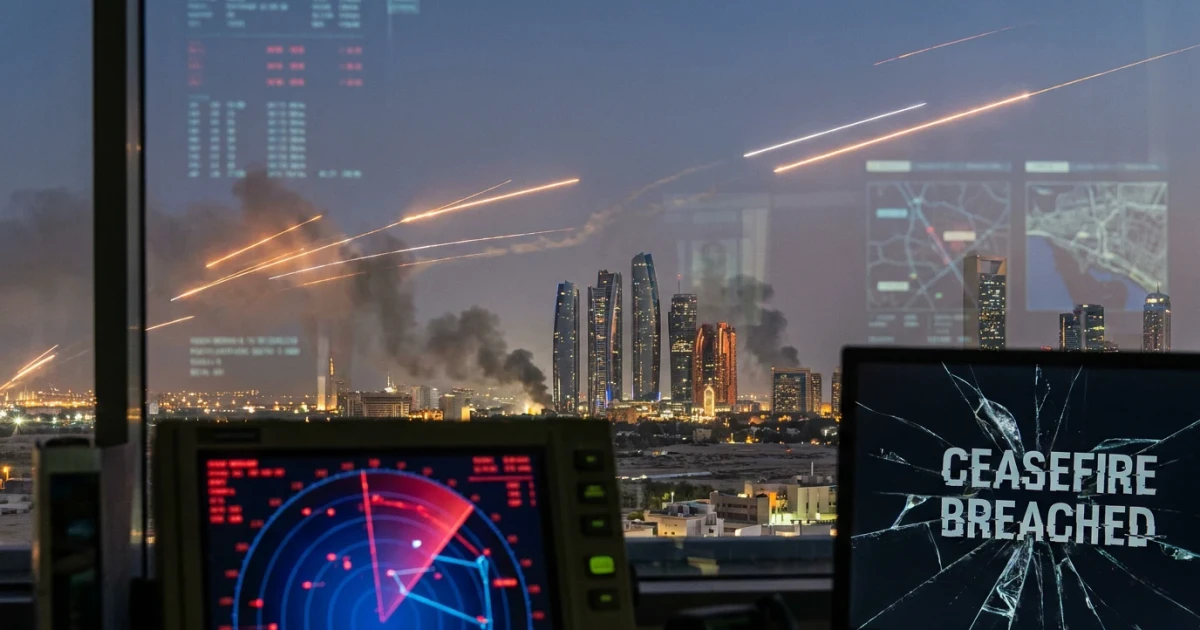
Regional tensions flared as the United Arab Emirates reported a missile attack, casting doubt on the stability of the ongoing ceasefire in the Iran conflict. The incident comes at a critical juncture as international stakeholders monitor the fragile truce and its implications for broader Middle East security.
Missile Attack Challenges Ceasefire Stability
The UAE’s defense authorities reported intercepting a missile targeting their territory, underscoring persistent threats despite a recently brokered ceasefire in the Iran war. The UN Security Council has long monitored arms flows and missile activities in the region, and the latest strike has renewed concerns about the effectiveness of diplomatic efforts to curb hostilities and weapons proliferation.
While no casualties or major damage were immediately reported, the event has drawn attention to the sophistication and range of missile systems present in the region. The incident also raises questions about the capacity of local air defense networks, which have been strengthened in recent years in response to evolving missile threats, as detailed in the CSIS Missile Threat Database.
Ceasefire Holds, But Risks Remain
Despite the missile attack, the ceasefire between Iran and regional adversaries has so far held, with no large-scale retaliatory action reported. Euronews coverage highlighted that, while the truce remains technically in place, the situation on the ground is precarious. International observers continue to warn that even isolated incidents can rapidly escalate, given the dense web of alliances and historic rivalries in the region.
- The Iran conflict has led to a surge in missile-related incidents tracked by the ACLED Conflict Data Dashboard, with the UAE and neighboring states frequently on alert for cross-border attacks.
- Ceasefire agreements often face violations from non-state actors or splinter groups, as seen in previous regional conflicts.
Regional media and analysis suggest that the continued success of the ceasefire hinges on the ability of local and international actors to contain such provocations and maintain robust communication channels.
Regional Security and Air Defense Capabilities
The missile attack places a spotlight on the UAE’s air defense capabilities, which are among the most advanced in the Gulf region. According to research from the UN Institute for Disarmament Research, Gulf states have invested heavily in missile defense systems, including advanced radar and interceptor platforms, to counter the growing threat from missile proliferation in the Middle East.
Data from the World Bank shows that the UAE maintains a sizable armed forces personnel count relative to its population, reflecting national priorities on security and defense modernization. The SIPRI Arms Transfers Database also indicates that the UAE has been a major importer of missile defense technology in recent years.
Humanitarian and Diplomatic Implications
While the immediate military fallout from the missile attack appears contained, humanitarian organizations remain wary of any escalation. The UNOCHA Middle East roster continues to monitor the humanitarian impact of ongoing tensions, noting that renewed fighting could exacerbate displacement, disrupt aid delivery, and deepen regional instability.
Diplomatic efforts are ongoing, with the international community urging restraint from all parties. Maintaining the ceasefire is seen as essential for paving the way toward longer-term negotiations on regional security, missile controls, and humanitarian access.
Looking Ahead
The missile attack on the UAE underscores the delicate balance that underpins the current ceasefire in the Iran conflict. As stakeholders work to contain further escalation, the event serves as a reminder of the complex security environment in the Middle East—where progress towards peace remains vulnerable to disruption, and sustained vigilance and diplomacy are required to prevent a return to violence.