World
Missile Strike on Central Israel Leaves One Dead, Several Injured
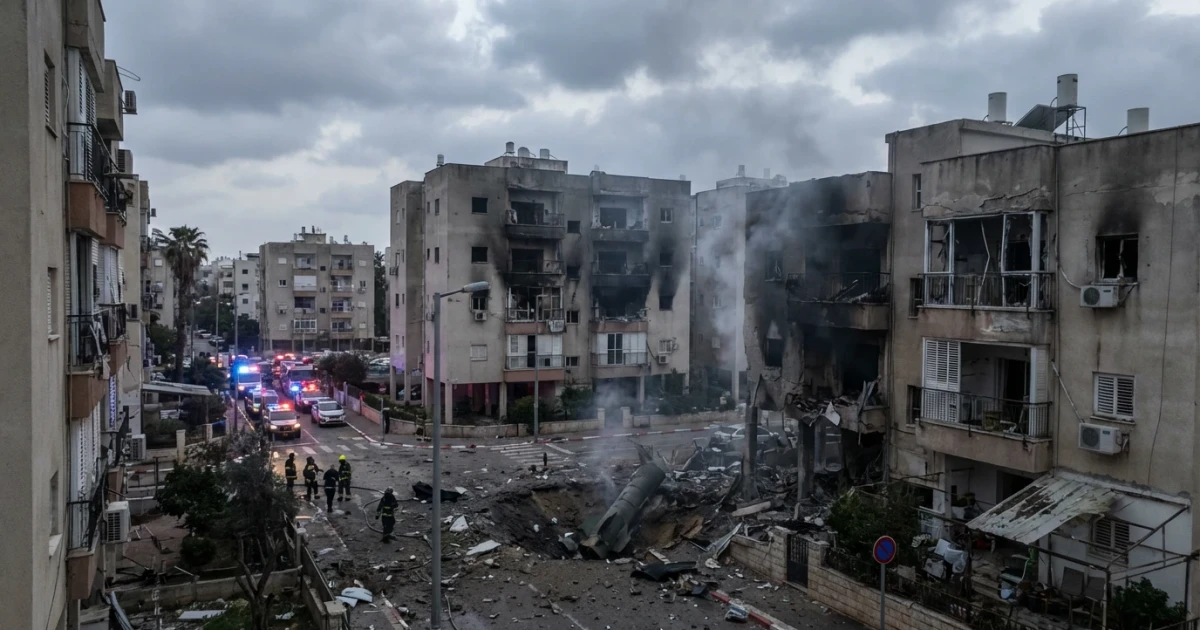
Central Israel was struck by an Iranian ballistic missile attack early Thursday, resulting in one fatality and leaving several people wounded, according to emergency medical teams on the scene. The incident marks the latest escalation in ongoing hostilities between Iran and Israel, drawing renewed global scrutiny of the region’s security landscape.
Attack Details and Immediate Impact
The missile struck a central district in Israel, with local medics confirming the death of one individual and reporting injuries among several others. Emergency teams responded rapidly to the blast site, providing urgent medical care to the wounded and securing the affected area.
- One person was killed in the attack.
- Several others sustained various degrees of injuries.
- The strike targeted a densely populated urban region, raising concern over civilian safety.
While Israeli authorities had previously raised alarms about potential Iranian missile launches, Thursday’s attack represents a significant escalation in the use of long-range weaponry within populated urban zones.
Iran’s Ballistic Missile Capabilities and Precedent
Iran has developed an extensive arsenal of ballistic missiles, many of which have the range and payload capabilities to strike targets well beyond its borders. According to data compiled by the CSIS Missile Defense Project, Iran possesses short, medium, and intermediate-range ballistic missiles, some capable of carrying conventional or unconventional warheads.
In recent years, Iran has used its missile forces to signal its strategic reach and to retaliate against perceived threats and adversaries in the region. The IDF’s official data and timeline show a pattern of missile launches and attempted strikes, with Israel frequently utilizing its air defense systems to intercept incoming projectiles. Nevertheless, Thursday’s incident demonstrates the ongoing risks faced by civilian populations during periods of heightened military tension.
Casualties and Humanitarian Concerns
The immediate aftermath of the strike saw local and international humanitarian organizations monitoring the situation. The UN Office for the Coordination of Humanitarian Affairs regularly tracks the impact of conflict-related incidents in the region, noting that such attacks frequently result in casualties, displacement, and psychological trauma among affected communities.
First responders and medical personnel in Israel have been placed on heightened alert, preparing for potential further escalation and ensuring emergency protocols are in place for additional incidents.
Regional and International Response
The incident is expected to draw strong reactions from both regional actors and the international community. Israel has repeatedly cited Iranian missile activity as a direct threat to its national security, referring to official UN Security Council reports on missile activity and sanctions compliance. The ongoing cycle of strikes and counterstrikes has raised concerns about the potential for broader conflict.
At the same time, international monitoring bodies are likely to review the latest attack in the context of existing arms control agreements and efforts to prevent the proliferation of advanced missile technologies in the region.
Outlook
As investigations continue and Israel assesses the full scope of the damage, the incident underscores the persistent volatility in the Middle East. The use of ballistic missiles against civilian areas elevates risks for non-combatants and highlights the urgent need for diplomatic efforts to deescalate regional tensions.
For more background on Iran’s missile program and its implications for regional security, readers can explore the RAND Corporation’s analysis and consult the SIPRI Arms Transfers Database for broader data on arms flows in the Middle East.