Entertainment
Missy Mazzoli turns America’s opioid crisis into a dark opera
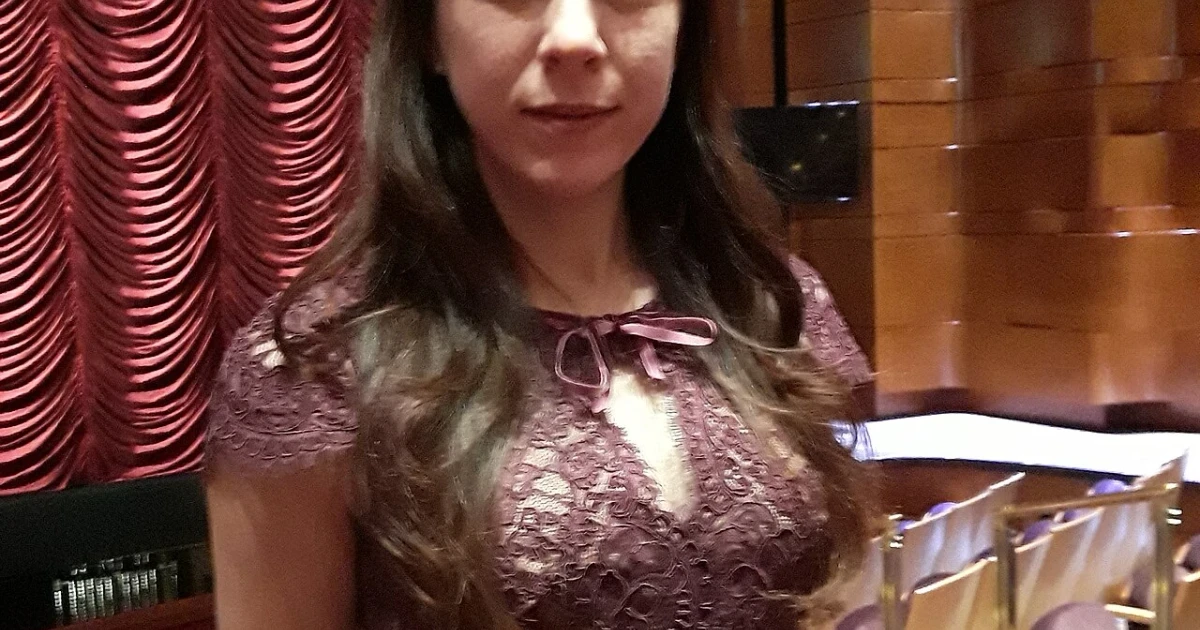
Missy Mazzoli has turned America’s overdose crisis into The Galloping Cure, a 115-minute opera about a local doctor, a seductive outsider and a daughter drawn toward danger. Built from grief and staged as a dark allegory, the work pushes a public-health catastrophe into grand theatrical form.
An epidemic turned into allegory
Mazzoli has said the opioid epidemic was the grim inspiration for the opera and described the crisis itself as an operatic tragedy. That framing matters because the story behind The Galloping Cure is not abstract: she lost two cousins to the opioid crisis, and the shadow of OxyContin and the Sackler family sits behind the work’s emotional charge.
The opera treats addiction not as a policy footnote, but as a family and community rupture. Theresa Hart, the local doctor at the center of the story, works in a fading corner of the world when Lucky Mack arrives and captivates her daughter, Noy. The setup makes the epidemic legible through ordinary relationships, then shows how quickly charisma, desperation and false hope can destabilize them.
That shift from statistics to intimate damage is what gives the opera its force. In policy language, overdose deaths are tallied, tracked and debated. Onstage, the crisis becomes seduction, denial, stigma and loss, with a mother trying to hold a community together while a stranger’s arrival pulls it apart.
Inside the world of The Galloping Cure
The Galloping Cure is written for four principal singers, SATB chorus and orchestra, and the score runs about 115 minutes. Royce Vavrek wrote the libretto after a story by Karen Russell, while Tom Morris directed the production. Mazzoli and Vavrek had already worked together on Breaking the Waves, a partnership that gives the new opera a tested dramatic engine.
Promotional descriptions place a carousel at the center of the action and tie the plot to a “miracle” cure that carries dire consequences. That detail points to the work’s tone: it is not a straightforward moral lesson, but a darkly comic and deeply unsettling contemporary fairy tale. The allegory lets Mazzoli examine how an American drug crisis can disguise itself as rescue before revealing the cost.
The cast and forces are deliberately spare for a work of this scale. Four singers carry the drama, while the chorus and orchestra widen the emotional field around them, turning one family’s collapse into a communal reckoning. That structure helps the opera move between realism and fable without losing sight of the human damage at its center.
From collaboration to world premiere
The project grew out of collaboration with John Berry, the former artistic head of English National Opera, and Tom Morris on an opera about drug addiction. It was later commissioned by Opera Ventures Productions, San Francisco Opera, Scottish Opera, Edinburgh International Festival and Norrlands Opera in Umea, Sweden, which gives the piece an international production path even as its subject remains distinctly American.
Edinburgh International Festival listed The Galloping Cure as a world premiere in August 2026 and part of the Anderson Opera Series. The event listing places the run at Festival Theatre in Edinburgh, Scotland, from Aug. 9, 2026, at 7 p.m. through Aug. 12, 2026, at 7 p.m. That positioning matters: the opera is traveling from an American public-health crisis into a major European festival, where the story can be read as both national trauma and international warning.
The scale of the commissions also underlines how widely the story is being carried. San Francisco, Scottish institutions and a Swedish opera house all backed a work rooted in the American overdose emergency, and that cross-border support helps explain why the opera is being framed as a broader cultural statement rather than a local arts event. Mazzoli’s subject is grief, but the machinery around the premiere shows that opioid loss has become a shared international concern.
The result is an opera that gives the overdose epidemic a mythic shape without softening its consequences. Theresa Hart, Lucky Mack and Noy are not symbolic cutouts; they are the human vessel for a national crisis that too often gets flattened into numbers. Onstage, Mazzoli turns that crisis into a darkly vivid drama about how addiction enters a community, how it is mistaken for cure and how the aftermath lingers long after the promise has vanished.
Sources
- [1]nytimes.com
- [2]missymazzoli.com
- [3]eif.co.uk
- [4]wisemusicclassical.com
- [5]bigissue.com
- [6]list.co.uk
- [7]thetimes.com
- [8]operaventures.org
- [9]scottishopera.org.uk