Entertainment
Mistrial Declared in Harvey Weinstein Retrial After Jury Deadlock
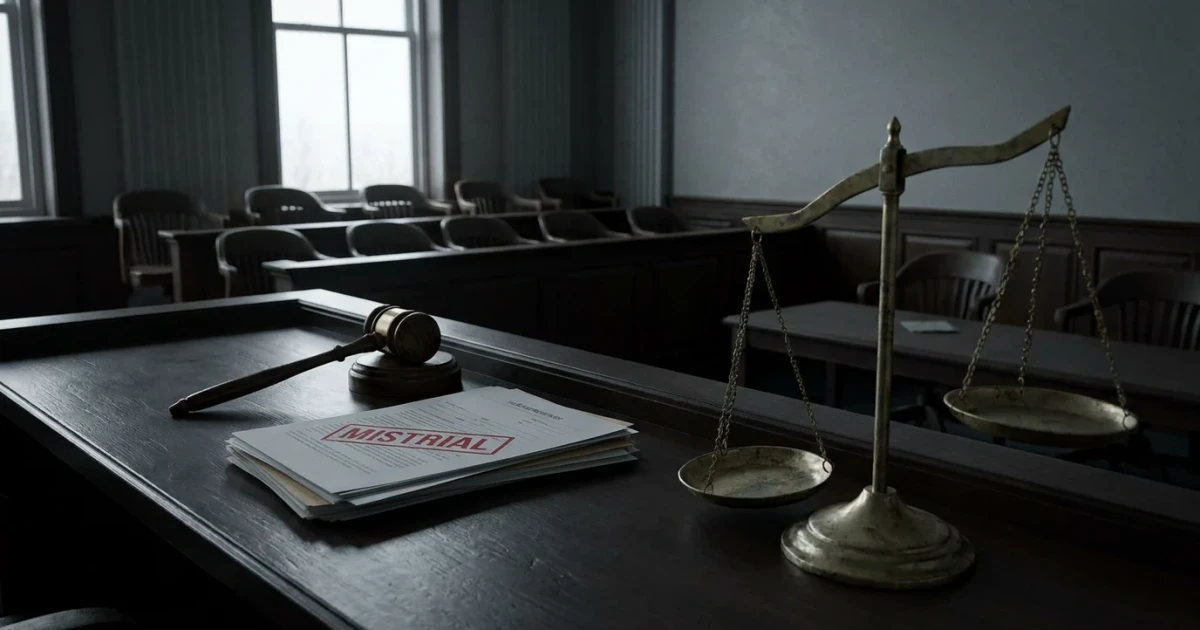
Harvey Weinstein’s rape retrial in Los Angeles ended in a mistrial after the jury reported it was hopelessly deadlocked, a development that once again places the spotlight on the complexities of prosecuting sexual assault cases against powerful figures.
Jury Unable to Reach Verdict
According to AP News, the judge presiding over Weinstein’s case declared a mistrial Thursday when jurors, after multiple days of deliberations, announced they could not agree on a unanimous verdict. The decision brings the high-profile proceedings in California to an abrupt pause, leaving unresolved the charges of rape and sexual assault brought against the former movie mogul.
Weinstein, who previously faced convictions in New York, was on trial in California for alleged assaults involving multiple women. The deadlock means prosecutors must now decide whether to seek another trial or drop the charges. This outcome is not uncommon in complex sexual assault cases, where jury decision-making can be influenced by numerous factors, including the nature of the evidence and jurors’ perceptions of credibility.
Challenges of Sexual Assault Prosecutions
Data from the Rape, Abuse & Incest National Network (RAINN) shows that only a small fraction of sexual assault cases reported to police ever result in conviction. Out of every 1,000 sexual assaults, only 25 offenders are incarcerated, highlighting persistent challenges in securing jury consensus.
Research by the National Institute of Justice underscores that jury deadlocks are more likely in sexual assault trials due to the sensitive nature of the allegations, the lack of physical evidence in many cases, and the subjective assessments jurors must make about witness credibility. The California Courts also found that hung juries are relatively rare but occur more often in cases where evidence is primarily testimonial or circumstantial.
- Only about 2% of sexual assault cases result in a trial conviction, according to Bureau of Justice Statistics data.
- Hung juries and mistrials occur in roughly 6-7% of all felony jury trials in California, with sexual assault cases posting higher rates than average.
What Happens Next?
The mistrial leaves open key questions for both prosecutors and the defense. The Los Angeles District Attorney’s office must now weigh the possibility of retrying Weinstein, negotiating a plea, or dropping the charges. The official California Courts records will eventually reflect any forthcoming decisions or new filings in the case.
Weinstein, who has already been convicted in New York on separate charges, remains incarcerated, with future legal proceedings likely to impact both his sentence and his prospects for appeal. The Department of Justice’s official summary of his previous convictions provides additional context about his ongoing legal battles.
Broader Implications for Justice
The outcome of Weinstein’s retrial is a reminder of the systemic hurdles facing sexual assault survivors in the criminal justice system. Jury deadlocks are not unique to this case, but the public attention surrounding Weinstein highlights the need for continued analysis of how sexual assault trials are conducted and how jurors are instructed to deliberate in cases with complex testimony.
As the legal process continues, advocates and legal experts are likely to watch the case closely for indications of whether changes in prosecution strategies or jury instructions could improve outcomes in future trials involving sexual violence allegations.
The mistrial in Weinstein’s case demonstrates both the ongoing challenges and the evolving landscape of accountability for high-profile defendants in America’s courtrooms.