Entertainment
Mistrial Declared in Weinstein Rape Retrial
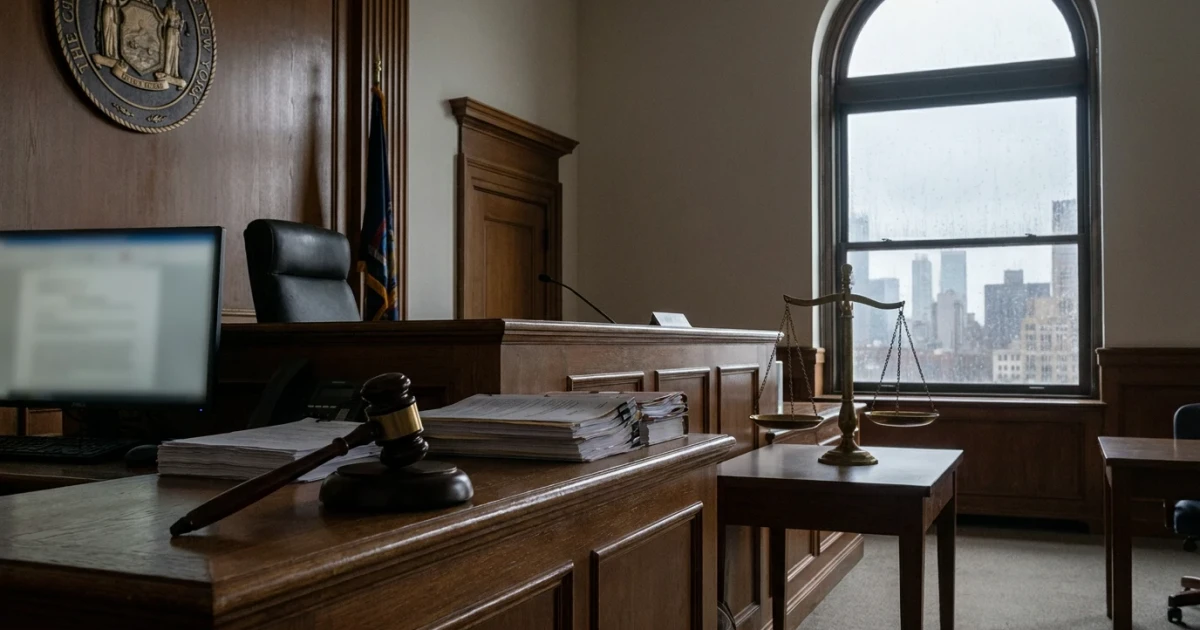
Harvey Weinstein’s retrial on rape and sexual assault charges in New York ended in a mistrial this week, after the presiding judge determined that the jury could not reach a unanimous verdict. The development underscores the ongoing complexities and public scrutiny surrounding one of the nation's most watched criminal cases.
Jury Deadlock Leads to Mistrial
The decision to declare a mistrial was made after days of deliberations failed to yield agreement among jurors on the charges against Weinstein. As reported by The New York Times, the courtroom atmosphere was tense as the jury repeatedly signaled its inability to move past deadlock, prompting the judge to halt proceedings.
Weinstein, the former Hollywood producer, has been a central figure in the #MeToo movement since multiple women came forward with allegations of sexual misconduct. This retrial was expected to be a pivotal moment in the legal saga that began with his initial conviction in 2020, which was later overturned on appeal, necessitating a new trial.
Background of the Case
The original conviction saw Weinstein found guilty of rape and a criminal sexual act, resulting in a lengthy prison sentence. Legal observers note that the case’s reversal on appeal raised questions about trial procedures and witness testimony, setting the stage for the retrial. Official records from the New York Appellate Court detail the reasoning behind overturning Weinstein’s conviction, citing issues with the inclusion of certain witness testimonies that may have prejudiced the jury.
In the retrial, prosecutors once again presented testimony from several women who accused Weinstein of sexual assault and rape, while the defense argued that the encounters were consensual. The high-profile nature of the case and intense media coverage added to the pressure on jurors, who ultimately informed the judge they were unable to reach a verdict.
What Happens Next?
A mistrial does not equate to an acquittal or conviction. Instead, it leaves the door open for prosecutors to decide whether to pursue another retrial, offer a plea deal, or dismiss the charges. Legal experts note that mistrials in sexual assault cases are not uncommon, given the sensitive nature of testimony and the frequently limited physical evidence.
- According to Bureau of Justice Statistics, fewer than 25% of sexual assault cases in the U.S. result in a conviction.
- The RAINN criminal justice system statistics show that many sexual violence cases are not prosecuted, and of those that reach trial, hung juries and mistrials occur at a notable rate.
Prosecutors now face the challenging decision of whether to retry Weinstein, weighing the interests of the alleged victims, the public, and the resources required for another high-profile trial. Meanwhile, Weinstein remains incarcerated on other charges, including his conviction in California.
Broader Implications for Sexual Assault Cases
The mistrial in Weinstein’s retrial highlights ongoing challenges in prosecuting sexual assault cases in the American legal system. High-profile cases often bring increased public attention, but they also reveal the difficulties of securing unanimous jury verdicts in cases hinging on conflicting testimony.
The outcome also reignites discussion about the broader impact of the #MeToo movement and the pursuit of accountability for powerful individuals accused of sexual misconduct. Advocates for victims argue that mistrials and overturned convictions can be discouraging, but also stress the importance of due process and fair trials.
Looking Ahead
It remains to be seen what steps prosecutors will take in the wake of the mistrial. The case will be closely watched for signals about the future of sexual assault prosecutions and the criminal justice system’s ability to address such complex allegations. For now, the mistrial marks another chapter in a case that has shaped national conversations about power, consent, and justice.