Science
MIT proposes orbital detector to spot nuclear weapons in space
MIT researchers proposed a satellite sensor that could flag a nuclear weapon in orbit by tracking a telltale neutron signal, a concept that could reach 99 percent accuracy if it stayed about 4,000 meters from a suspect spacecraft for roughly a week. The Outer Space Treaty bans nuclear weapons in orbit, but no practical verification method has existed to prove a satellite is clean.
Areg Danagoulian led the research. The detector would work by measuring neutrons created when high-energy protons strike radioactive material on a target satellite. The research was a verification concept rather than a deployed system. No unclassified, peer-reviewed verification method had previously been proposed for the problem, and the sensor would be compact enough to fit on a small satellite, about the size of a large encyclopedia.
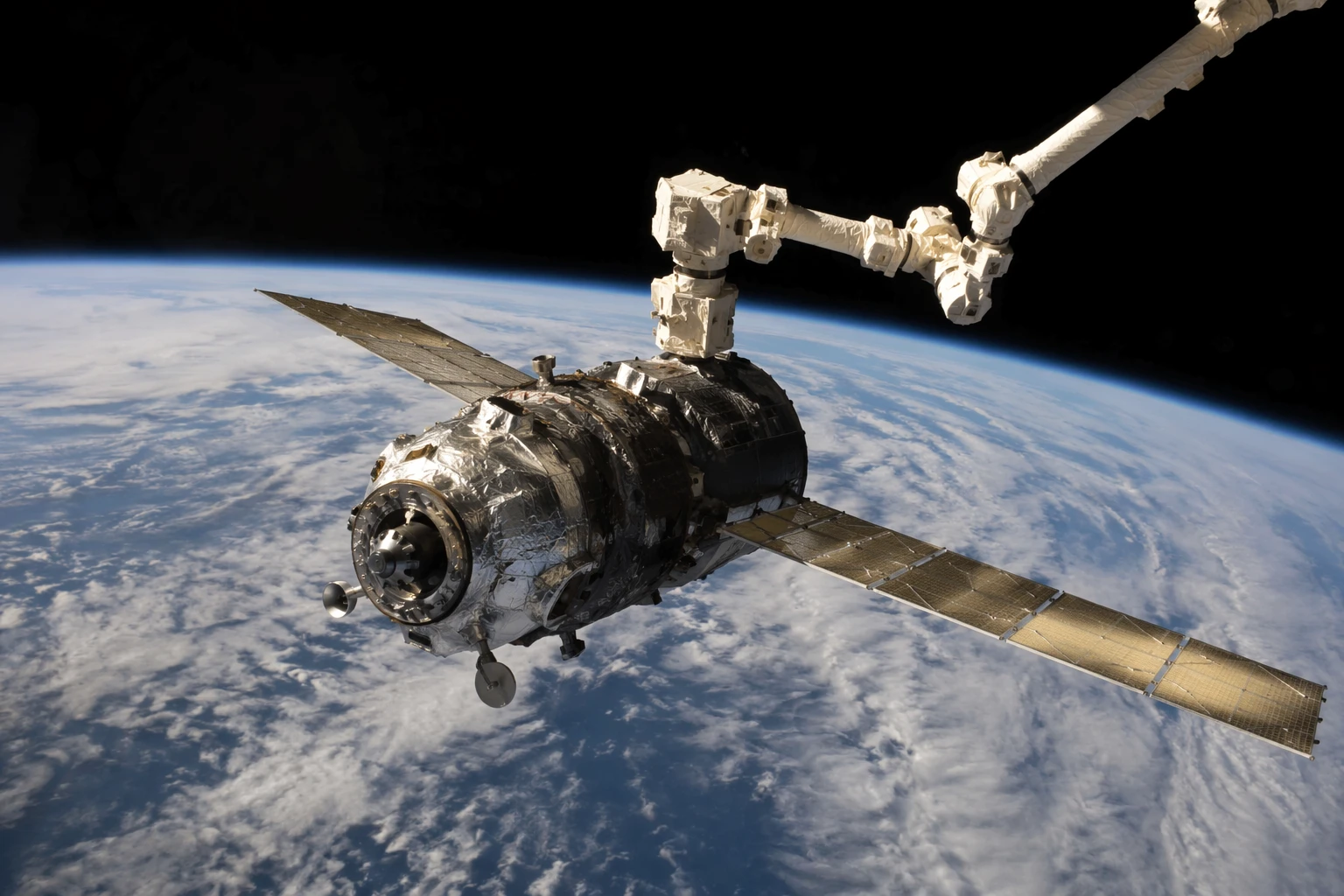
The technical hurdle is distance. Detection could take roughly a week at 4,000 meters, but the timeline could shrink to hours if multiple sensor satellites were used or if the detector moved within about 1,000 meters of the target.
The Outer Space Treaty entered into force on Oct. 10, 1967, after endorsement by the United States, the United Kingdom and the former Soviet Union. Article IV bars placing nuclear weapons or other weapons of mass destruction in orbit, installing them on celestial bodies or stationing them in outer space in any other manner. The Arms Control Association counted 115 states-parties and 23 additional signatories as of June 2024.

MIT said a nuclear detonation in low Earth orbit could release trillions of highly energetic electrons and damage satellites across space, while the 1962 Starfish Prime test already damaged many early satellites and trapped energized electrons in Earth’s magnetic field. In 2024, a U.S. official warned Russia could be developing a satellite designed to carry nuclear weapons into space, and the UN General Assembly reaffirmed the treaty on Dec. 2, 2024, by a 167-4 vote with 6 abstentions.
Sources
- [1]nature.com
- [2]news.mit.edu
- [3]armscontrol.org
- [4]un.org