Technology
MIT wristband could teach robots human-like hand dexterity
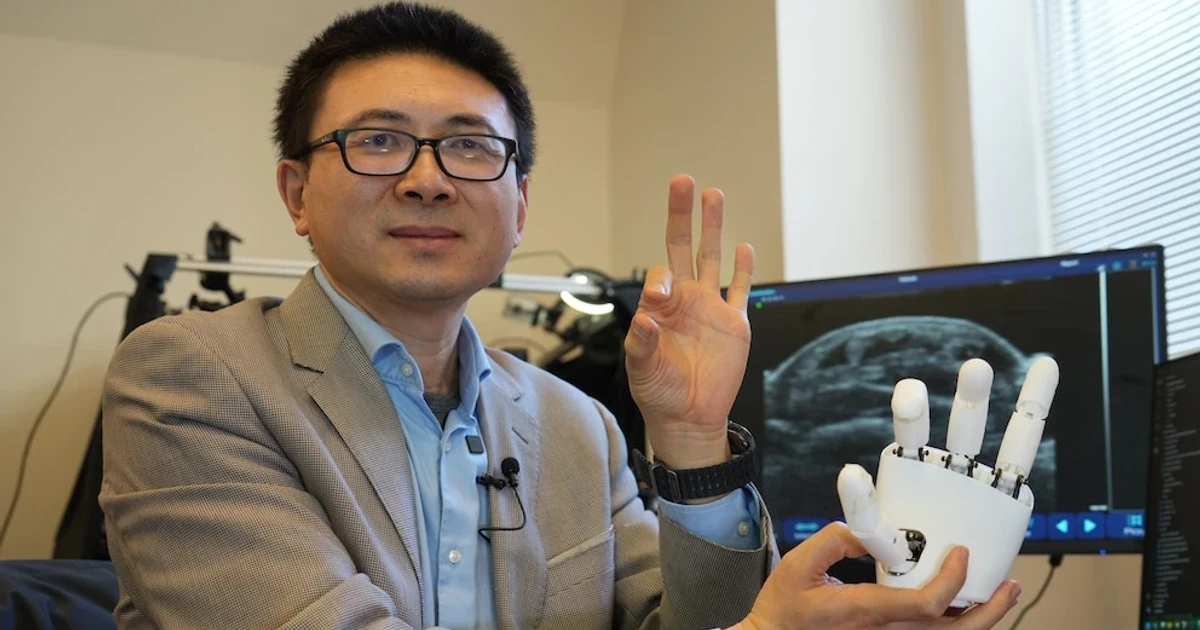
An ultrasound wristband from Massachusetts Institute of Technology tracked a user’s hand movements in real time, translating motion beneath the skin into data a robot or virtual environment could use. In laboratory tests with eight volunteers, it mirrored all 26 letters in American Sign Language within 120 milliseconds, a pace that suggests robot training may be getting both faster and more practical.
The work matters because human hands are exceptionally hard to copy. MIT says the hand’s dexterity depends on 34 muscles, 27 joints and more than 100 tendons and ligaments, a dense web of movement that ordinary cameras often struggle to capture. By measuring what the wrist can hear from muscles and tendons instead of only what a camera sees on the outside, the system produced a richer stream of training data for machines that still stumble on tasks as simple as grasping a cup or opening a container.
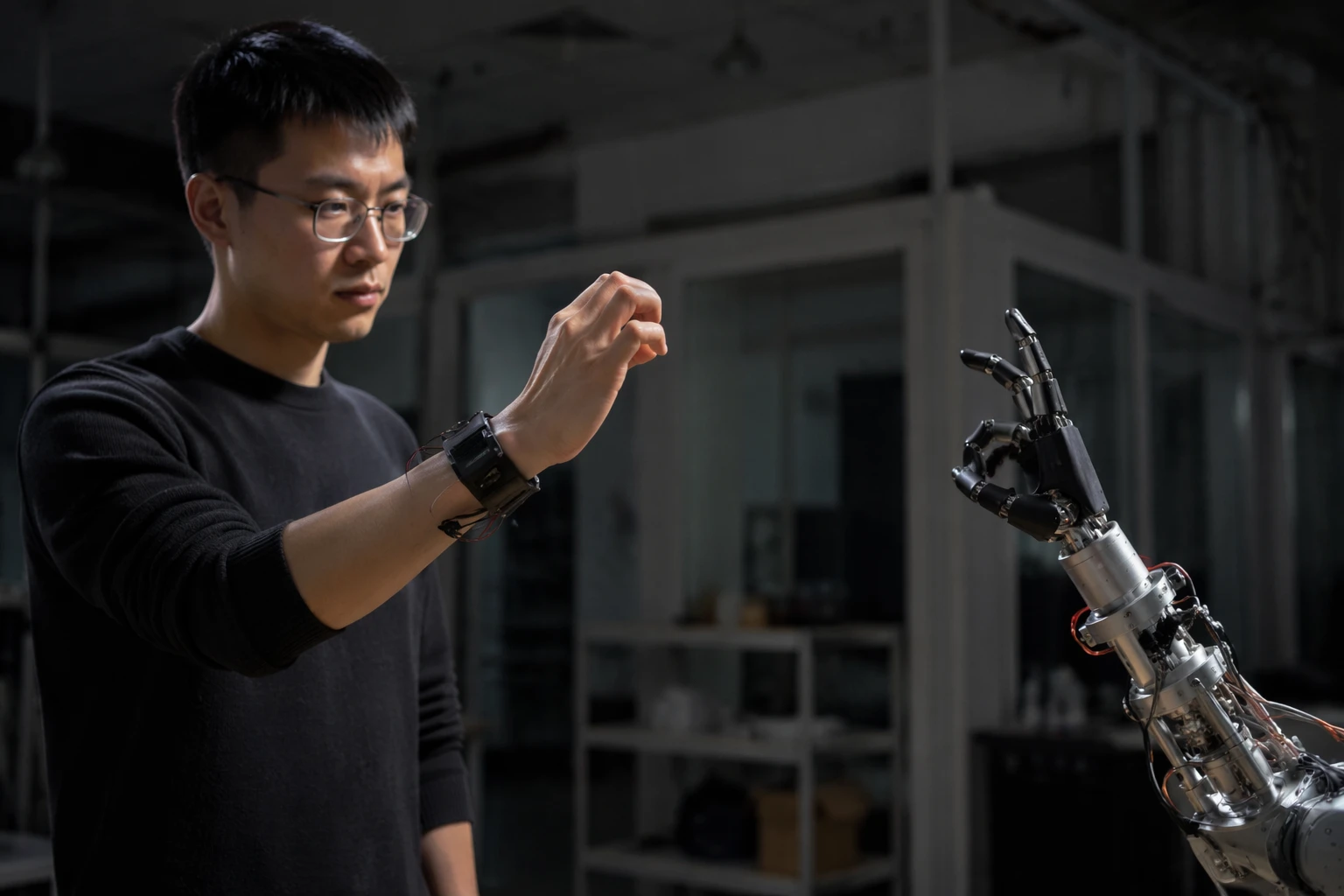
That is where the economics of robotics begin to shift. Robots already handle navigation, lifting and repetitive motions on warehouse and factory floors, but fine manipulation remains expensive to teach and hard to scale. MIT’s team is now gathering hand-motion data from many more users with different hand sizes, finger shapes and gestures, aiming to build a large dataset for dexterous humanoid robots. A separate Nature study described the wearable ultrasound system as continuously tracking all 22 degrees of freedom of the hand, underscoring how much motion the wristband can capture.
The first uses are likely to appear where dexterity carries the highest value. Housework, elder care, manufacturing assembly and certain surgical procedures all demand precise, human-like touch rather than brute strength alone. MIT said the wristband can work wirelessly, so the wearer and robot do not need to be in the same room, a feature that could make it useful for remote training and teleoperation as well as direct human-robot interaction.
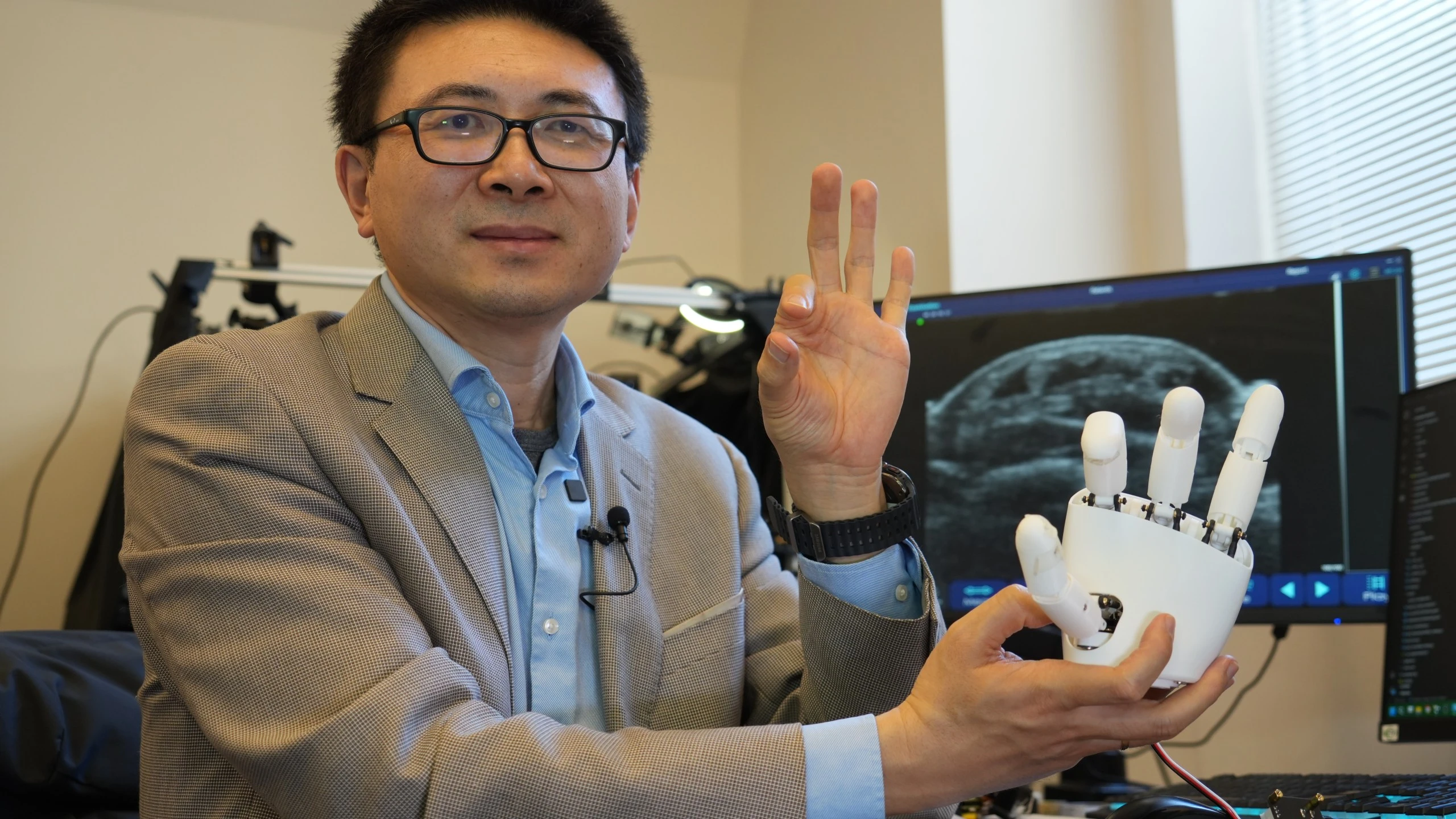
Still, the leap from lab demo to workplace tool is large. The system has been shown controlling a robot hand to play piano and shoot a small basketball into a desktop hoop, but real-world environments add clutter, safety concerns and far greater variation in hand motion than a controlled lab. For robotics, the signal from Cambridge is not that machines have solved dexterity, but that the data problem may finally be getting easier to crack.
Sources
- [1]abcnews.com
- [2]news.mit.edu
- [3]nature.com