Technology
Mivo app pauses doomscrolling with mindful prompts before more scrolling
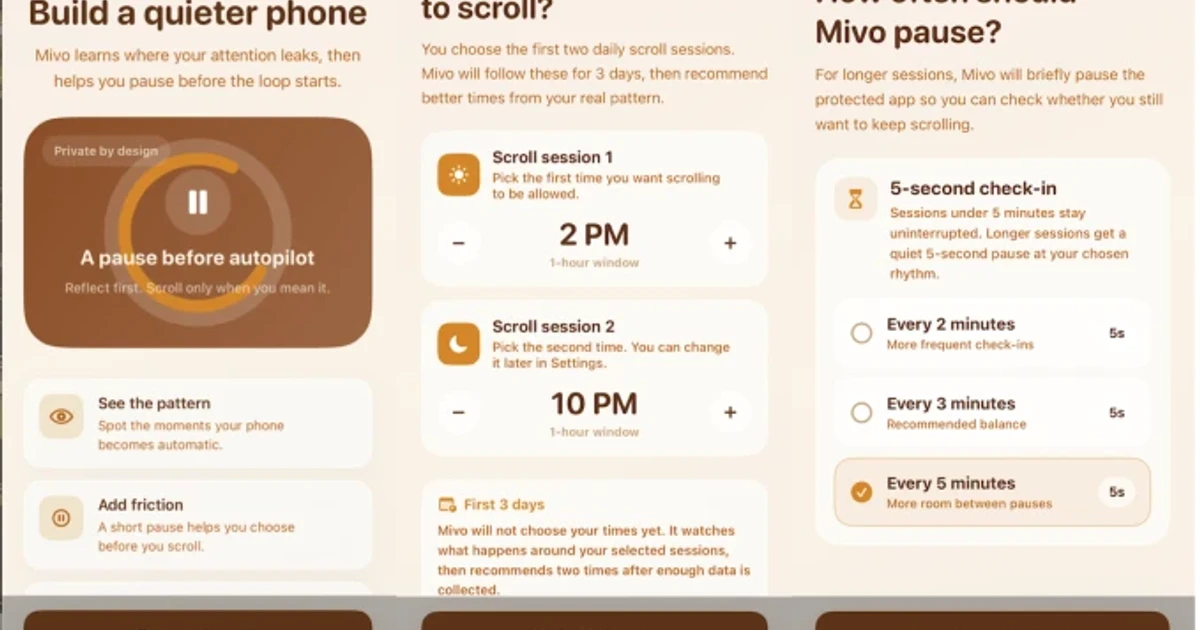
Mivo is trying to interrupt doomscrolling with a pause instead of a wall. Launched last month, the app takes a gentler approach to screen time, nudging users to reflect before they keep scrolling rather than slamming the door with a hard limit.
That approach lands in a year when the scale of the habit is hard to miss. The Centers for Disease Control and Prevention’s data brief No. 513 found that about one-half of teenagers in the United States had 4 hours or more of daily screen time. In Europe, the World Health Organization Regional Office for Europe said problematic social media use among adolescents rose from 7% in 2018 to 11% in 2022, based on the Health Behaviour in School-aged Children study, which surveyed nearly 280,000 young people ages 11, 13 and 15 across 44 countries and regions.
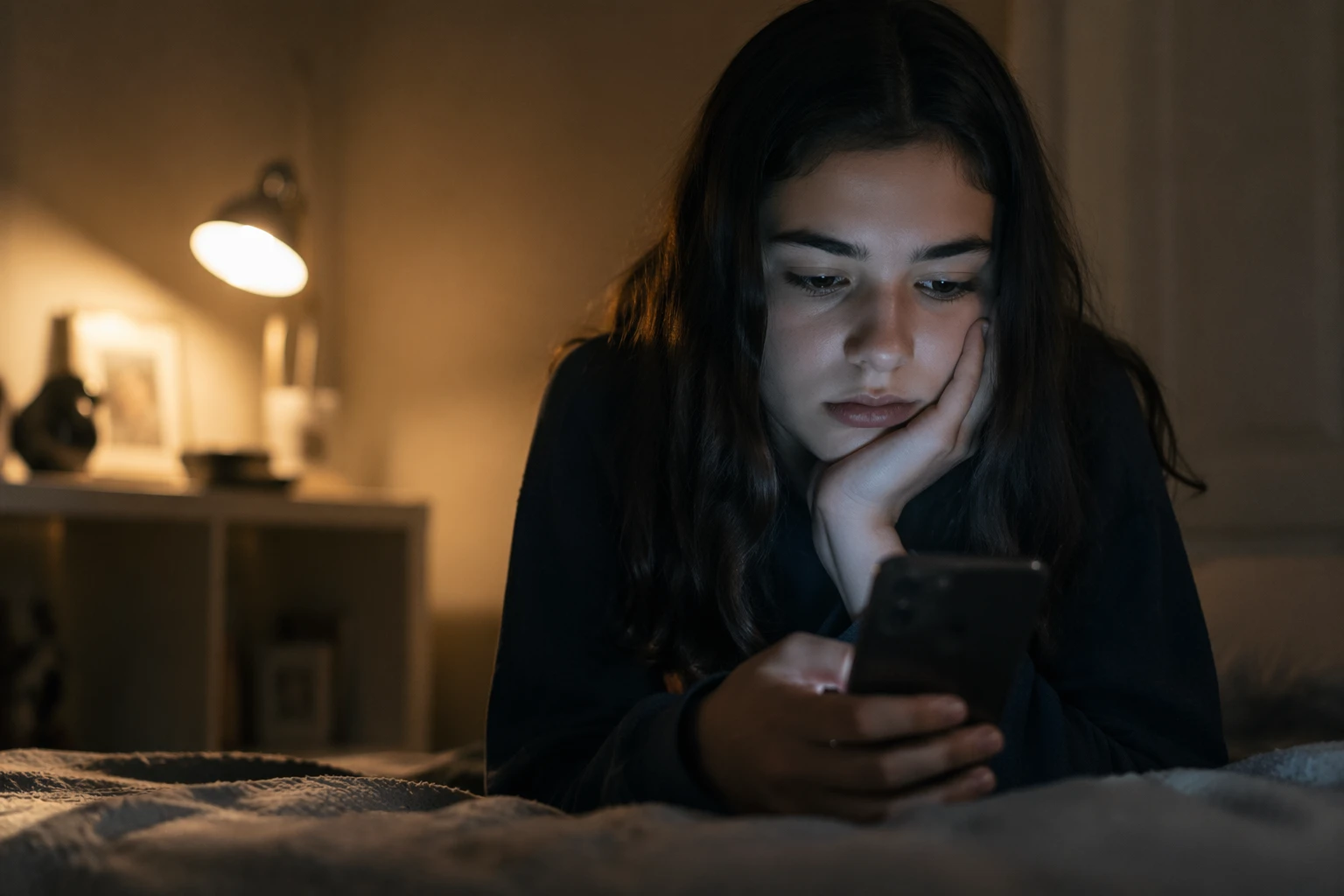
Pew Research Center’s 2024 teen survey adds another sign of how deeply the behavior has settled in. Nearly half of American teenagers said they are online almost constantly, a level of immersion that helps explain why time limits alone often feel blunt. The appeal of apps like Mivo is that they try to break the scroll loop at the moment of impulse, when a brief pause may be more effective than a strict cutoff.
That logic echoes the design of Mindful, a screen-time app described in academic work as using a delay screen to prompt self-reflection before opening configured apps. The paper argues that blocking-only and monitoring-only tools can fall short because they do not address the underlying behavior driving excessive use. Instead, Mindful asks users to evaluate their choices in light of their responsibilities, a model aimed at changing habits rather than just restricting access.
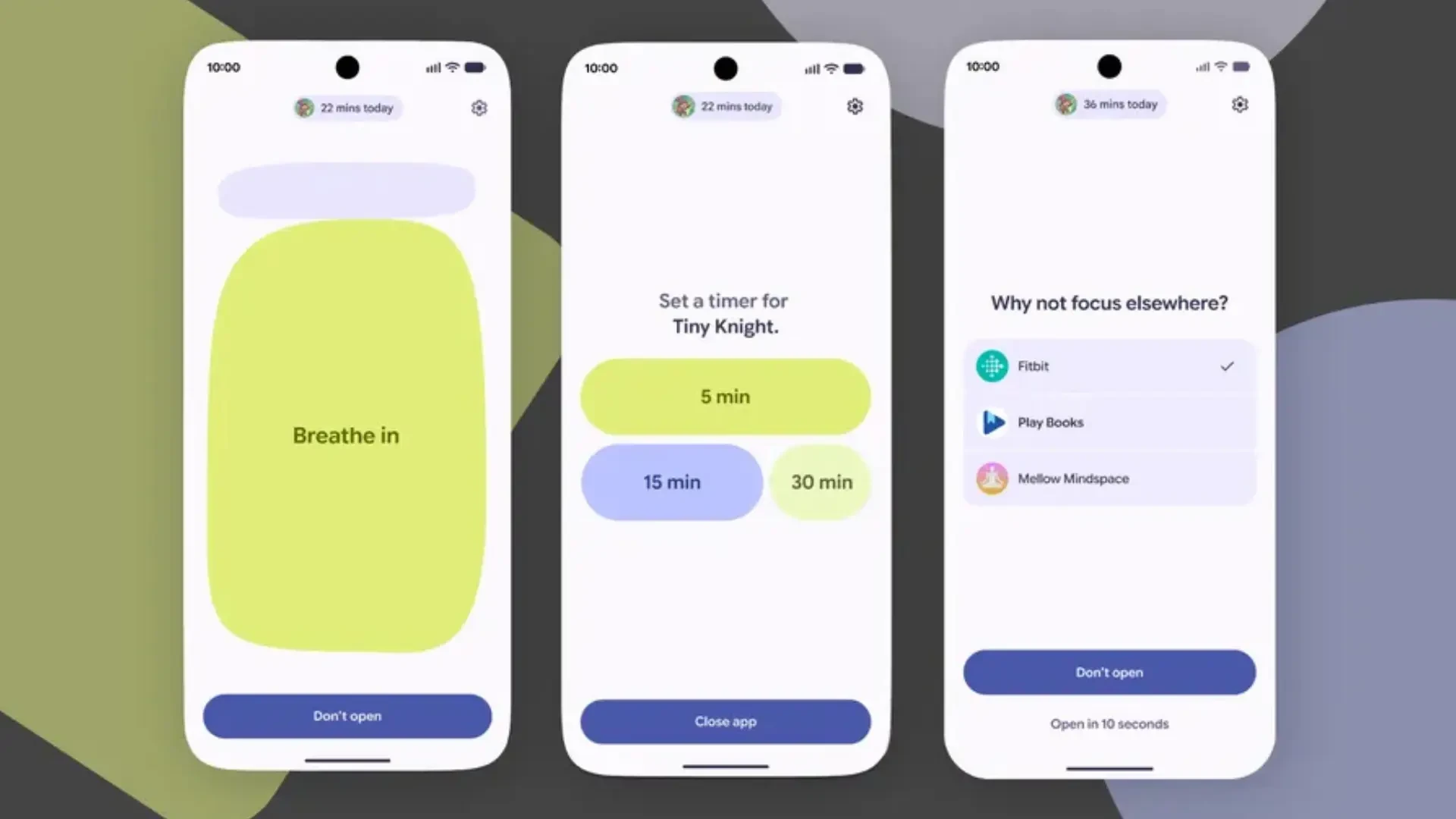
The same research links heavy screen use with poorer sleep, weaker productivity and worse mental health, reinforcing why the debate over digital-wellness tools now extends beyond app timers. If Mivo and similar products gain traction, the broader market may be moving toward behavioral nudges and mindfulness-based interventions, not just enforcement. That shift could reshape how parents, schools and individual users think about digital self-control: less punishment, more friction, and a better chance that the next swipe does not happen automatically.
Sources
- [1]techcrunch.com
- [2]cdc.gov
- [3]who.int
- [4]pewresearch.org
- [5]rjwave.org
- [6]github.com