World
Málaga’s cultural boom turns city into a tourist battleground
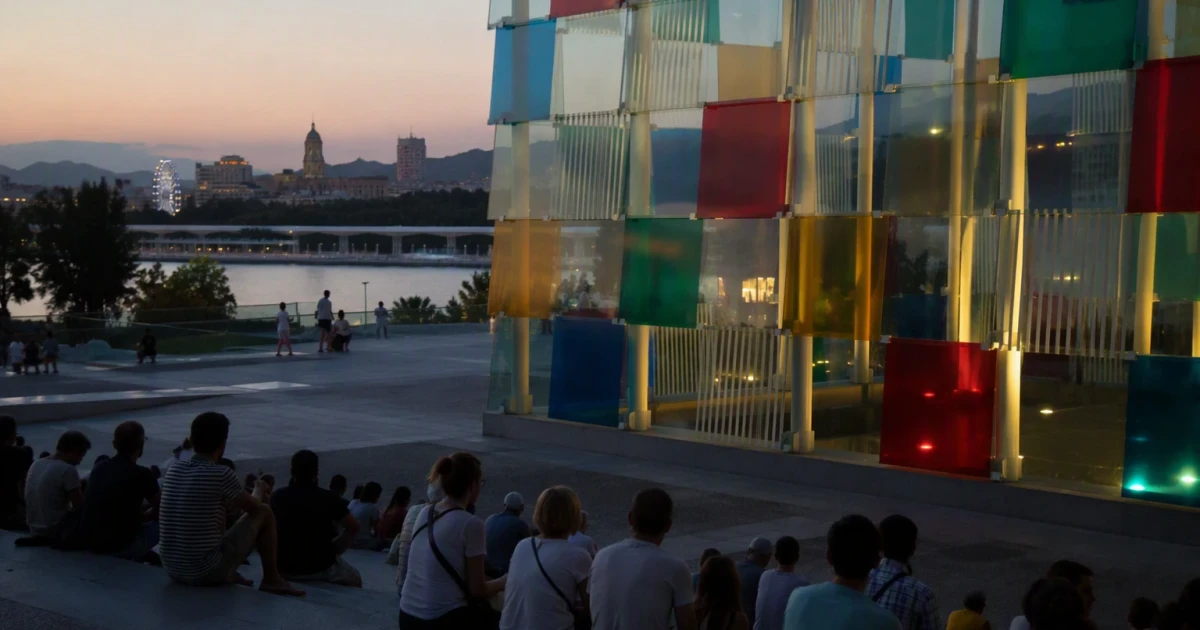
Málaga’s reinvention under Francisco de la Torre turned a once-drab port into a museum-heavy magnet for visitors, talent and investment. The same strategy also squeezed the historic centre, pushed housing costs into the political spotlight and made the city a national test case for growth that can outpace livability.
How Málaga was remade
De la Torre, mayor since 2000, anchored the city’s transformation in culture. By the mid-2010s, Málaga had spent €100 million on the arts over the previous decade, a scale of spending that helped redefine the city beyond its role as a gateway to the Costa del Sol. The pitch was clear: lean on Pablo Picasso’s birthplace, add major museum brands and market Málaga as a place to stay, not just pass through.
The most visible symbol of that bet was the Centre Pompidou Málaga, which opened in spring 2015 in El Cubo on the waterfront. It became the first Centre Pompidou outside France and occupies 6,000 square metres beneath a glass cube redesigned by Daniel Buren. The city also folded the Russian Museum outpost into the same museum strategy, building a cultural district out of institutions that could anchor international attention.
That shift mattered economically as well as symbolically. The arts boom helped Málaga compete for tourists and skilled workers at a time when many mid-sized European cities were trying to move up the value chain. It also concentrated more foot traffic, more rental demand and more pressure on the same small central area where the city’s oldest streets were least equipped to absorb it.
Who benefited from the boom
Málaga’s winners were easy to identify: the municipal brand, the museum sector, landlords near the centre and businesses that profit from short stays and high visitor turnover. The city’s success in turning Picasso into an economic asset also gave it a stronger global identity, one that helped separate Málaga from the generic sun-and-sea tourism of the Andalusian coast.
That success came with a dependency problem. In January 2023, Jenny Green, a British collector, offered 76 works from her private collection to help save Málaga’s Museo Ruso from possible closure. The episode showed how some of the city’s cultural projects had become reliant on private or external support, even after years of public investment in the arts.
The cultural push also changed the balance of the city centre. Museums, cafes and short-term visitors generated spending, but they also raised the value of central real estate and made the old core more attractive to investors than to long-term residents. In a city that had sold itself on culture, culture became one more force pulling property values upward.
The pressure inside the historic centre
The strongest criticism has focused on the Málaga historic centre, where academic work has examined touristification, overtourism, gentrification and tourism-phobia. A 2021 MDPI study specifically looked at the impacts of tourism in the historic core, tracking effects on the urban environment, the local economy and residents’ daily lives. That matters because the city’s most visible cultural gains were concentrated exactly where living space is scarcest and most vulnerable to visitor pressure.
By June 2024, thousands of people were protesting in Málaga against mass tourism and housing pressure. The anger reflected a simple urban equation: more tourist demand means more strain on housing, more pressure on neighbourhood services and less room for ordinary residents to compete with short-stay income. In July 2024, local reporting said de la Torre described housing and regulation of tourist flats as a major challenge, acknowledging that the city had moved from promotion to containment.
The dispute is not just about the number of visitors. It is about what happens when a city’s economic model rewards every square metre as a revenue stream. In a historic centre, that can mean rising rents, more speculative buying, noisier streets, weaker community ties and a sense that the city is being consumed by the same image it sells to outsiders.
Why the policy debate has shifted
Málaga’s officials have tried to recast the conversation from growth to management. In 2022, the city joined UN Tourism’s Sustainable Tourism Observatory network, signalling that it wanted a data-driven way to track the effects of tourism rather than simply celebrate arrivals. In January 2023, the city’s tourism board said the once-problematic centre had been improved to enhance quality of life for residents, a reminder that local government was trying to frame the museum boom as urban repair, not just visitor capture.
By April 2025, reporting said Málaga city council and de la Torre were considering cancelling construction of 1,300 tourist homes amid wider anti-tourism anger. That number is telling: the dispute has moved beyond abstract complaints into the future shape of the housing stock itself. If tourist apartments keep expanding faster than homes for residents, the city risks locking in the displacement that critics say followed the cultural revival.
De la Torre has also acknowledged the limits of simple expansion. Monocle quoted him saying, “The solution is not more tourists,” a line that captures how far the debate has moved from attracting arrivals to managing them. For Málaga, the hard lesson is that a city can win global attention with museums and branding, then lose political trust if the benefits are concentrated and the costs are pushed onto renters, neighbours and the historic centre.
The broader lesson for other cities is plain: culture can revive a place, but without housing policy, tourist controls and protections for residents, the same success can hollow out the streets it was meant to save.
Sources
- [1]nytimes.com
- [2]theguardian.com
- [3]centrepompidou.fr
- [4]mdpi.com
- [5]eurocities.eu
- [6]untourism.int
- [7]theolivepress.es
- [8]mirror.co.uk
- [9]monocle.com