Sports
MLB ballparks serve up wild new menu items for fans
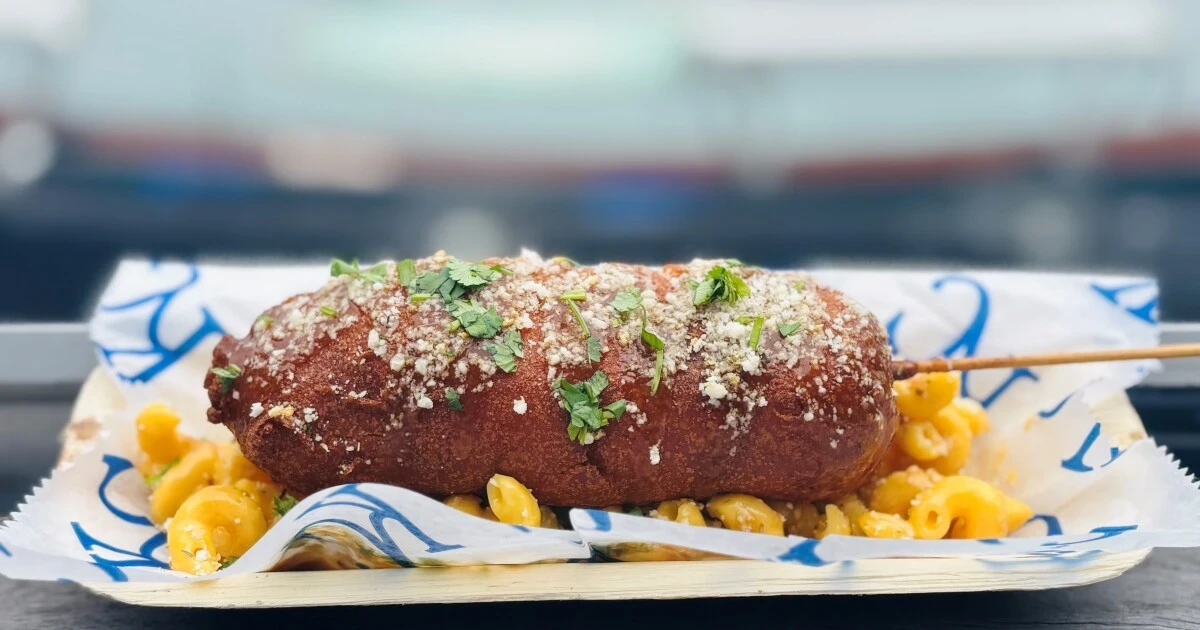
Baseball parks are selling more than seats and scorecards. MLB’s 2024 regular season drew 71,348,366 fans, the league’s highest attendance total in seven years, and its first back-to-back attendance gains in 12 years, giving teams a bigger audience for food that is meant to be seen as much as eaten. That helps explain why Aramark and Levy have pushed 2026 menus toward regional flavor, oversized portions and built-in photo value.
The business behind the spectacle
The push is easier to understand in a league with 30 stadiums and a food strategy that now stretches well beyond a single hot dog stand. Levy serves as the restaurant partner for eight MLB ballparks, and that footprint lets the company test the same idea across multiple markets: make concessions feel like a destination, not an afterthought. Teams are treating food as part of the ticketed entertainment package, the same way they use scoreboards, theme nights and giveaways to make a night at the park feel worth the price.
That strategy also reflects a simple economic reality. A stadium that is filling up again has more room to sell the experience as premium, and food is one of the easiest ways to make that premium visible. The viral menu item is not replacing the classic ballpark snack; it is sitting beside it, giving the park another reason to feel distinct, and another reason to justify what fans pay once they walk through the gate.
What Aramark and Levy put on the menu
The 2026 rollouts from Aramark and Levy lean hard into novelty, with menu items that turn ordinary ballpark staples into headline acts. Among the most eye-catching are: • beef short rib corn dogs • cochinita pibil bone marrow tacos • a 9-9-9 box with nine mini Nathan’s hot dogs and nine beers • a souvenir ferry boat filled with fish and chips at T-Mobile Park • a wearable nacho cowboy hat
These are not subtle dishes. They are engineered for carrying cases, for phone cameras and for the kind of game-day post that travels farther than a scoreboard update. The 9-9-9 box turns a standard snack into a compact bundle of game-night excess, while the ferry boat at T-Mobile Park folds Seattle’s waterfront identity into the meal itself, linking the Mariners’ home to the city around it.
Lou Bastian, Levy’s senior vice president of culinary, has framed the strategy in simple terms. Opening Day, he said, is “the ultimate opportunity to showcase culinary creativity” and a chance to strike “a perfect balance between nostalgia and innovation.” That balance matters because the biggest crowds still expect the comfort of familiar stadium food, even as operators layer on items that feel exclusive enough to justify higher prices.
Citi Field keeps the culinary spotlight
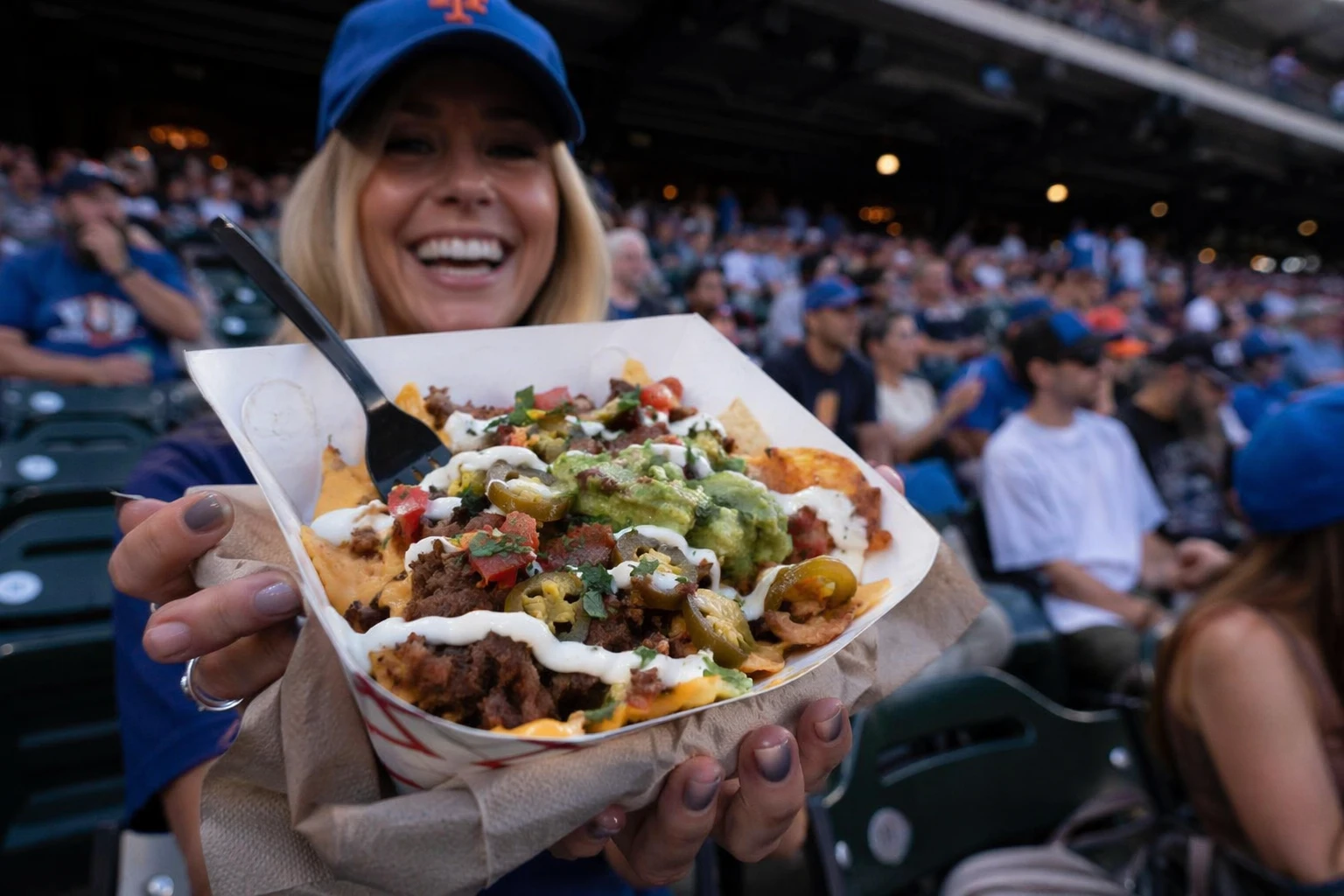
Citi Field has become the clearest example of how a ballpark can turn food into brand identity. The home of the New York Mets in Queens won USA Today 10Best’s Best Baseball Stadium Food award in 2025 for the third consecutive year, and it held the title again in 2026. The contest is shaped by an expert panel of nominees and reader voting, which makes the result a useful measure of both curation and fan approval.

The menu at Citi Field mixes national names and local invention. Shake Shack gives the park a recognizable anchor, while NY Bulgogi Cheesesteak Spring Rolls and the Home Run Apple Pie Shake push the menu into fusion territory without losing the sense that this is Queens, not a generic food court. The formula signals something important about how modern ballparks compete: the food has to feel specific to the team and the city, but still bold enough to circulate online.
What the trend says about the ballpark economy
The appeal of these foods is not just that they are unusual. It is that they help operators turn a stadium visit into a premium entertainment product, one that can absorb rising ticket and concession prices because it offers more than a game. Regional specialties, celebrity-chef tie-ins and social-media-friendly portions give teams a way to sell atmosphere, not just calories.
That is why the contrast with classic ballpark fare still matters. Peanuts, Cracker Jack, hot dogs and beer remain the baseline, but the newest menu items are designed to make the trip feel scarce, curated and worth documenting. In a league where attendance is rising again, the food stand has become one more place where teams compete for attention, identity and revenue at the same time.
Sources
- [1]cbsnews.com
- [2]mlb.com
- [3]foodservicedirector.com
- [4]abcnews.com
- [5]10best.usatoday.com