Sports
MLB warns pitcher injuries are rising as velocities climb
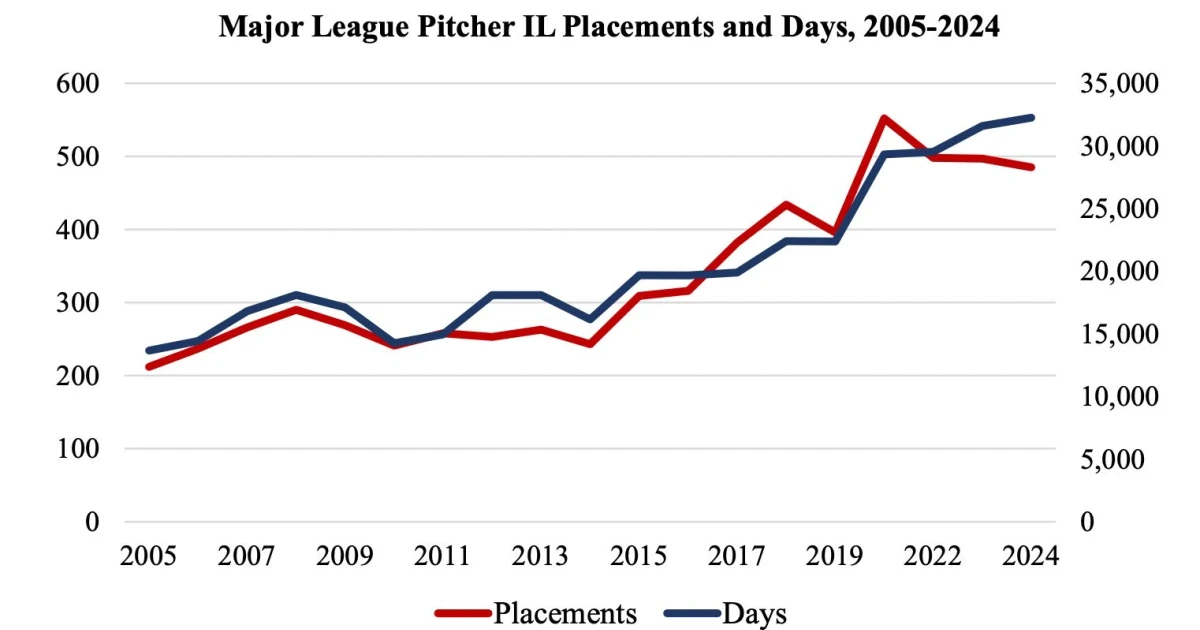
Major League Baseball’s latest pitcher-injury report says the problem has worsened over several decades even as average minimum fastball velocity climbed from 87.1 mph in 2008 to 92.2 mph in 2026. The 62-page study, built after interviews with more than 200 experts across amateur, college, minor league and major league baseball, found a broad consensus that higher velocity, better stuff and max-effort training and pitching are driving the rise.
The league’s own timing data points to another warning sign. MLB said the peak period for pitcher injuries has moved earlier, with the most injuries now occurring from Spring Training through Opening Day, when arms are still ramping up but workloads are already intense. That shift matters because it puts the sport’s biggest injury risk at the exact moment clubs are asking pitchers to rebuild their velocity and command after months away from game stress.
The velocity trend is not limited to a single pitch metric. MLB’s data also shows average maximum fastball velocity rising from 94.5 mph in 2008 to 95.7 mph in 2026. The gains may look modest on paper, but in a game where split-second reaction time decides outcomes, even small increases in speed can reshape how pitchers are developed, used and protected.
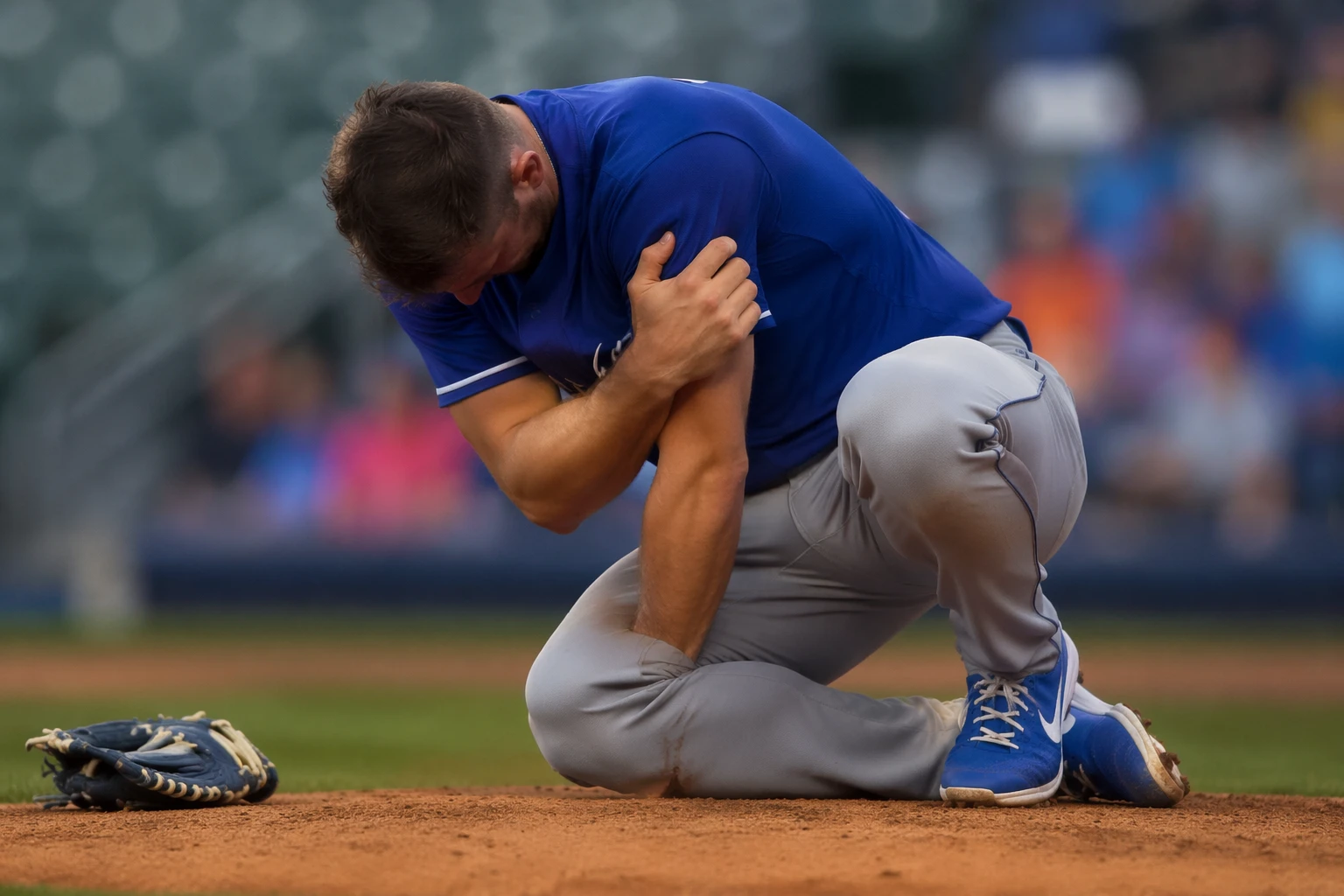
The same tension is showing up beyond baseball. ESPN reported in June 2025 that Achilles tendon injuries became an unusually common headline in the NBA during the 2024-25 season, and RealGM said seven players tore Achilles tendons that year, including Damian Lillard, Jayson Tatum and Tyrese Haliburton. Those injuries reinforced a broader concern across pro sports: bodies are being pushed harder, more often, and at younger ages.
On the medical side, treatment has moved in the opposite direction, toward faster and more regenerative recovery tools. Mayo Clinic research highlights minimally invasive approaches that include stem cells, platelet-rich plasma, viscosupplementation, ultrasound, growth factors and amniotic products. Recent reviews have described stem cell therapy and PRP as part of a wider paradigm shift in orthopaedic and sports-injury care.
That combination has changed the injury equation for teams and players. Better rehab can shorten a return timeline, but MLB’s own numbers suggest the workload problem is expanding even faster than the recovery toolbox.
Sources
- [1]nytimes.com
- [2]mlb.com
- [3]espn.com
- [4]basketball.realgm.com
- [5]mayo.edu
- [6]link.springer.com