Technology
Mobileye plans U.S. robotaxi launch, challenging its automaker customers
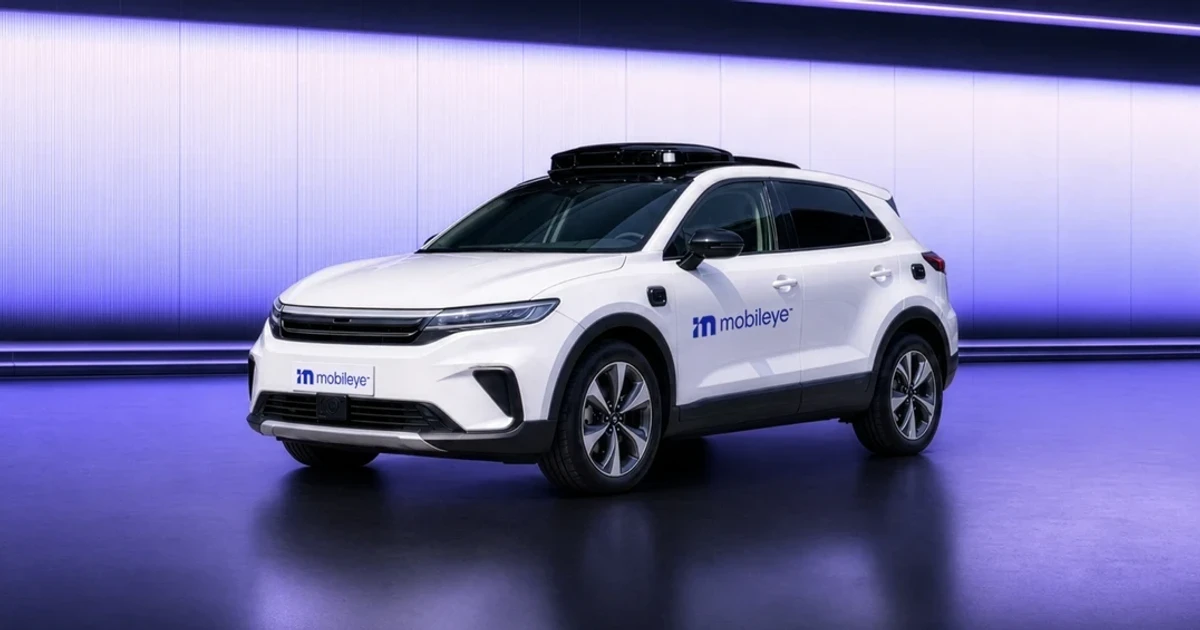
Mobileye Global is moving from selling the technology behind autonomous cars to running the ride itself. The Jerusalem-based company said it will launch its own robotaxi service in the United States in 2027, starting with about 100 vehicles in a major metropolitan market and ultimately aiming for roughly 17,000 vehicles over five years. Shares rose more than 4% in premarket trading after the announcement, underscoring how sharply investors viewed the shift.
The plan marks a deeper change in Mobileye’s business model. The company described the effort as a “vertically integrated” robotaxi operation and said it would add to, not replace, its existing automaker and mobility-partner programs. Mobileye Drive, its self-driving system, is already being integrated into partner programs, and the new service will pair that technology with Moovit, its mobility subsidiary, which offers urban trip-planning tools and a passenger network.
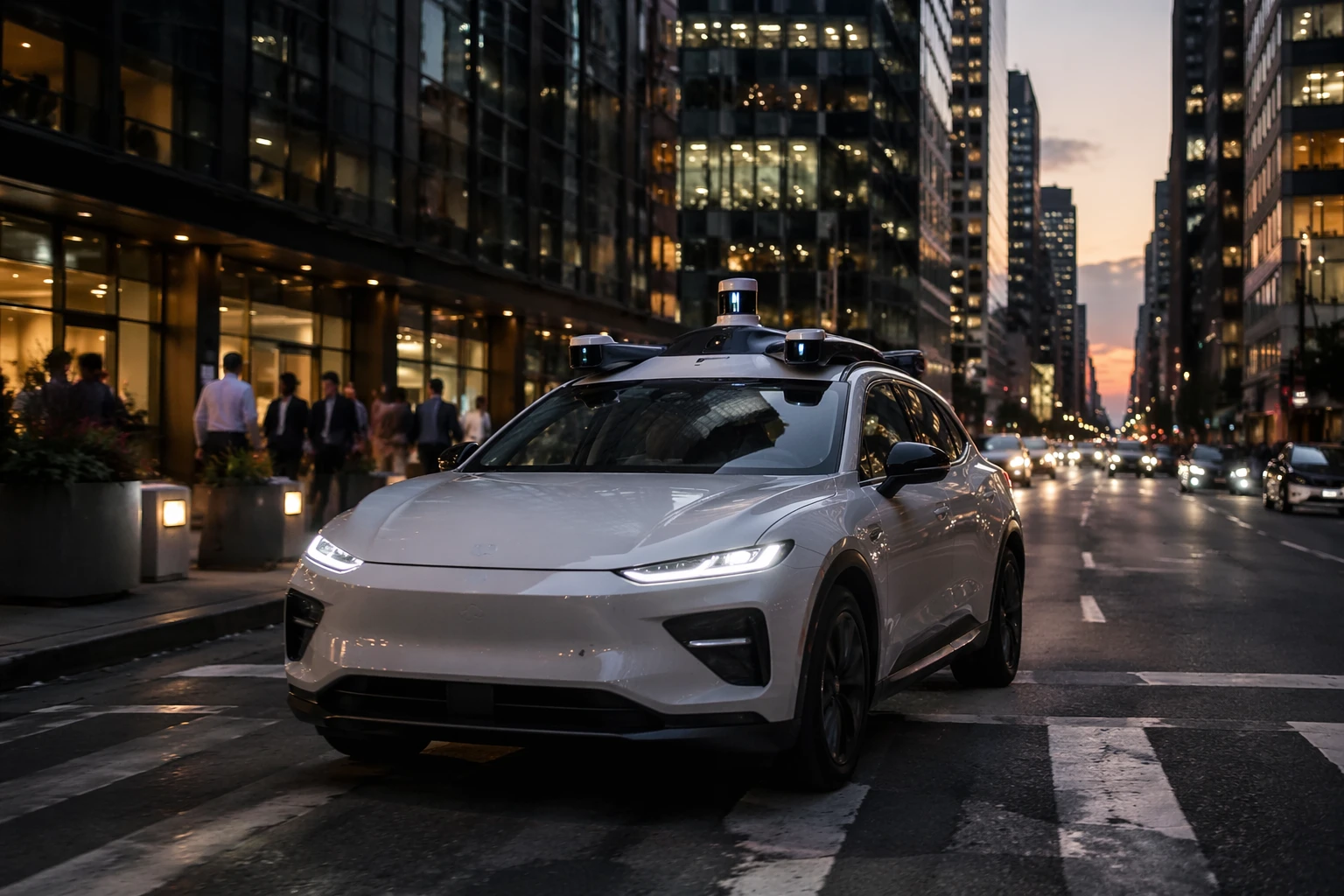
Mobileye also said it does not intend to build vehicles itself. Instead, it will work with outside vehicle-platform and fleet-integration partners, a model that keeps the company focused on software and operations rather than manufacturing. That distinction matters because Mobileye has long sold advanced driver-assistance systems to automakers and mobility companies, making its new service a direct challenge to some of the same customers that helped scale its technology.
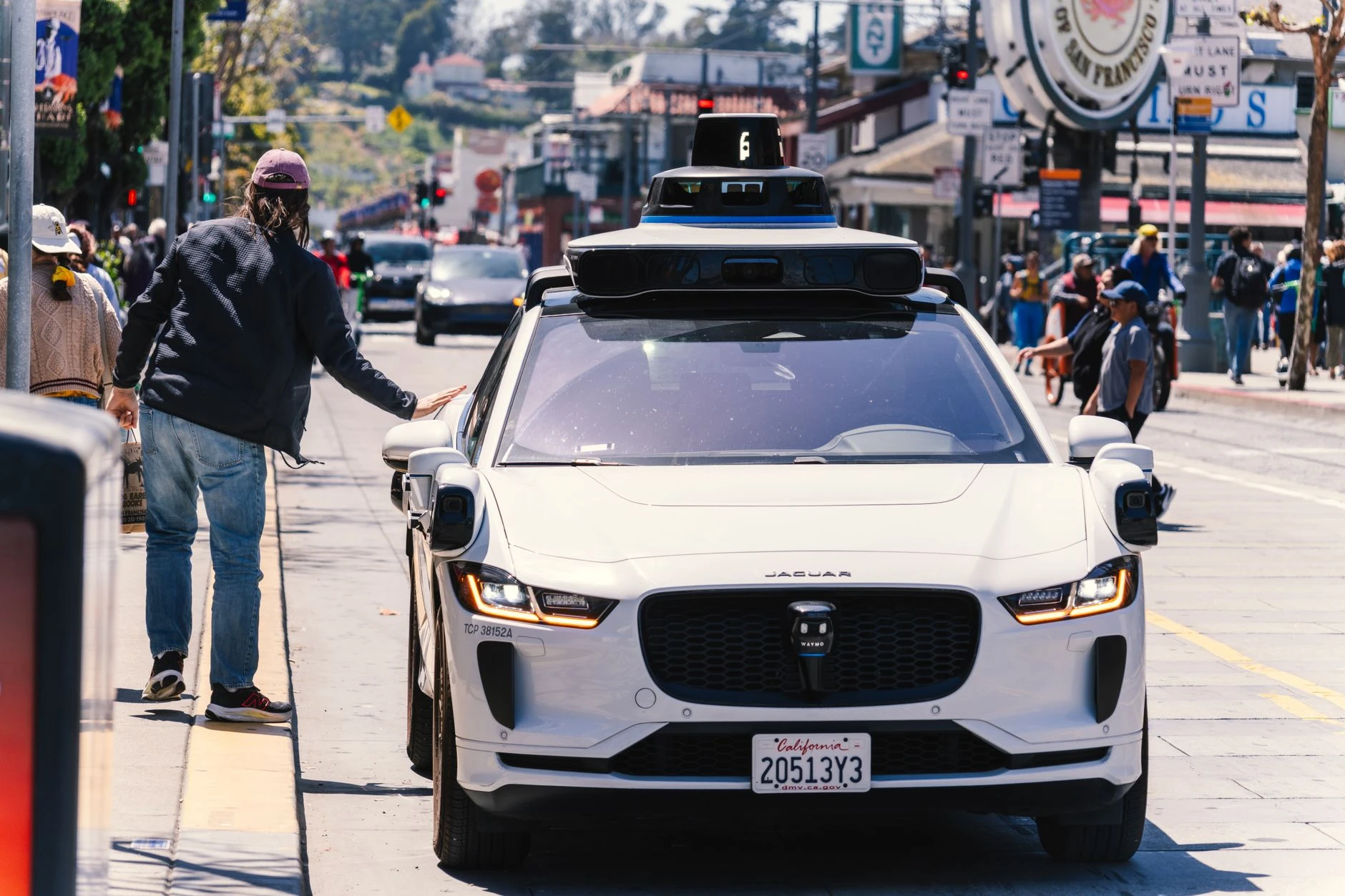
The competitive stakes are already visible. Lyft said in February 2025 that it planned to deploy fully autonomous robotaxis powered by Mobileye as soon as 2026 in Dallas, putting the two companies on a path from collaboration to rivalry. Mobileye’s broader robotaxi push was also previewed at CES 2026, where the company said it was making progress with Volkswagen’s mobility arm MOIA and cast 2026 as a pivotal year for showing that its autonomous technology can work commercially.
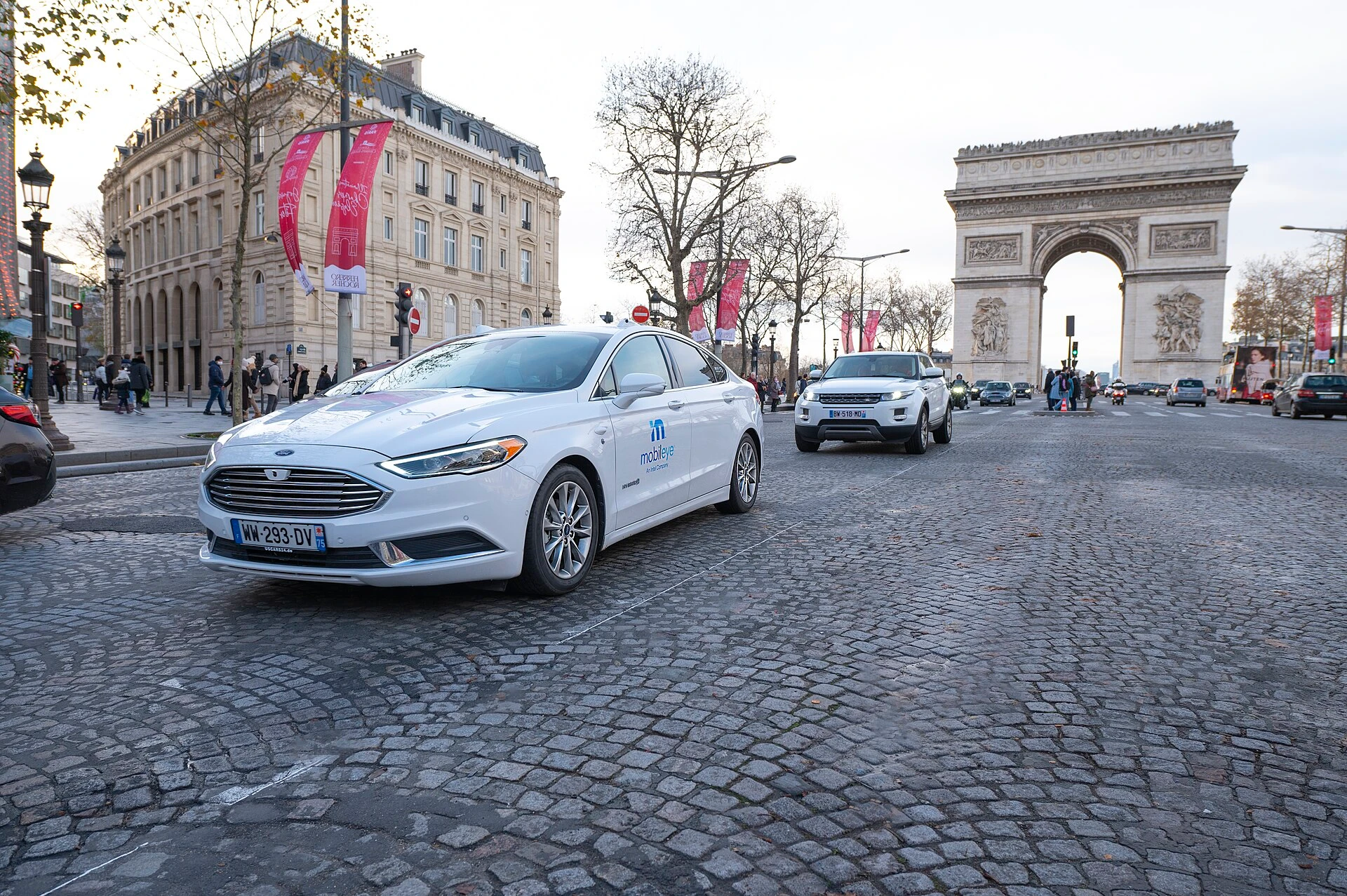
The strategy also lands in an increasingly crowded U.S. market. Alphabet’s Waymo, Tesla and Amazon’s Zoox are all pursuing robotaxi ambitions, while other players are seeking partnerships to bring driverless fleets to roadways. Mobileye’s entry suggests the race is no longer just about building the best self-driving stack. It is about controlling the passenger relationship, gathering real-world operating data, and persuading regulators and riders that autonomous transport can be safe, reliable and profitable at scale.
Sources
- [1]finance.yahoo.com
- [2]usnews.com
- [3]mobileye.com
- [4]techcrunch.com