Health
Moderna Receives $50 Million for Bundibugyo Ebola Vaccine
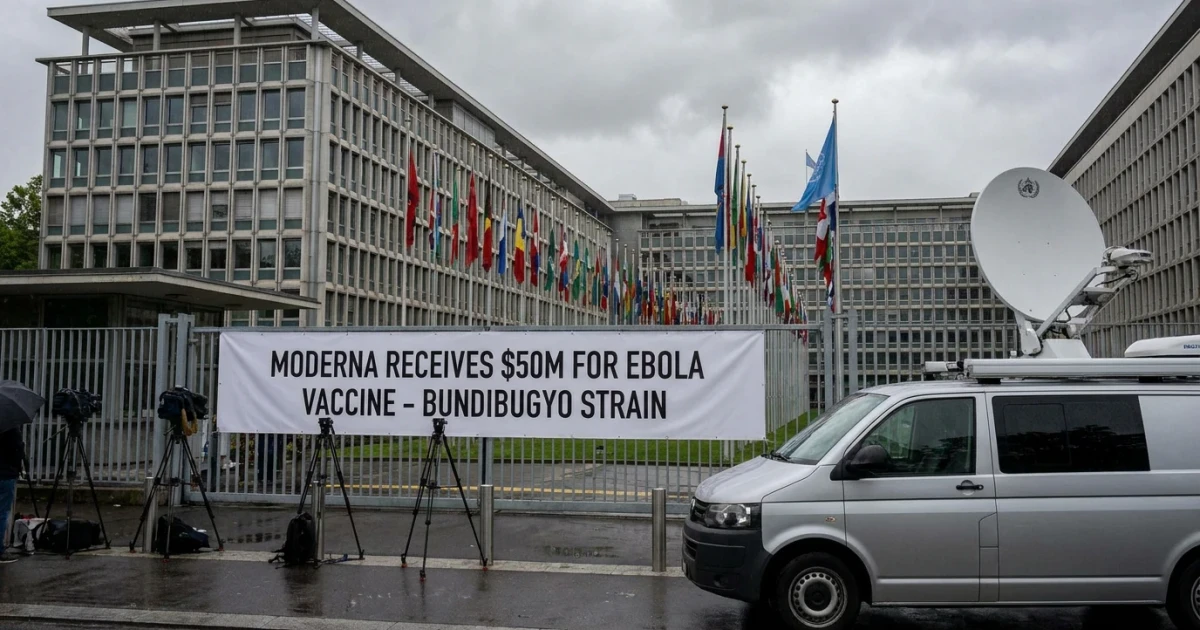
Moderna has secured $50 million in funding to accelerate the development of an mRNA vaccine targeting the Bundibugyo strain of the Ebola virus, according to reporting by Ars Technica. The investment comes as international health agencies intensify efforts to strengthen preparedness against emerging infectious diseases, amid persistent fears of new Ebola outbreaks.
Focus on the Bundibugyo Ebola Virus
The Bundibugyo strain is one of several species of the Ebola virus identified by health authorities. While the more widely known Zaire strain was the focus of earlier vaccination campaigns, the Bundibugyo variant has triggered deadly outbreaks in Central Africa and remains a significant public health concern. According to World Health Organization data, Bundibugyo was responsible for a major outbreak in Uganda and the Democratic Republic of the Congo in 2007-2008, underscoring the need for targeted vaccines.
Moderna’s mRNA Platform Targets Emerging Threats
The new funding will support preclinical and early-stage clinical studies of Moderna’s candidate, designated mRNA-1235, which leverages the same mRNA vaccine technology used in the company’s COVID-19 vaccines. This approach allows rapid design and manufacturing of vaccines against evolving viral targets, a key asset in outbreak response. The Coalition for Epidemic Preparedness Innovations (CEPI) has prioritized Bundibugyo Ebola vaccines as part of its broader strategy to fast-track solutions for emerging infectious diseases.
- Three Ebola vaccines are currently in development for various strains, including Bundibugyo, according to recent coverage by BBC and information from CEPI’s vaccine portfolio.
- Existing vaccines, such as the rVSV-ZEBOV vaccine, provide protection against the Zaire strain but do not cover Bundibugyo, highlighting the gap Moderna’s project aims to fill.
- The patent filings for mRNA-based filovirus vaccines show technical details of the mRNA constructs being targeted, reflecting the cutting-edge nature of this research.
Global Health Context and Preparedness
The renewed focus on Ebola vaccines comes as scientists and public health experts warn that factors such as climate change, urbanization, and regional conflict may increase the risk of infectious disease outbreaks. The World Health Organization notes that Ebola outbreaks have historically had high case fatality rates, with some epidemics reaching fatality rates of up to 90% according to its official records. The development of vaccines targeting diverse Ebola species is seen as a crucial step in averting future crises.
Looking Ahead
Moderna’s mRNA-1235 vaccine for Bundibugyo Ebola is expected to enter early-stage clinical trials following completion of preclinical studies. The company’s success could enhance the global arsenal against Ebola and demonstrate the adaptability of mRNA technology for new and emerging threats. As multiple vaccine candidates advance, experts say continued international collaboration and investment will be essential to ensure equitable access and rapid deployment in regions most at risk.