Politics
Modi Criticizes Congress, Highlights BJP's Progress
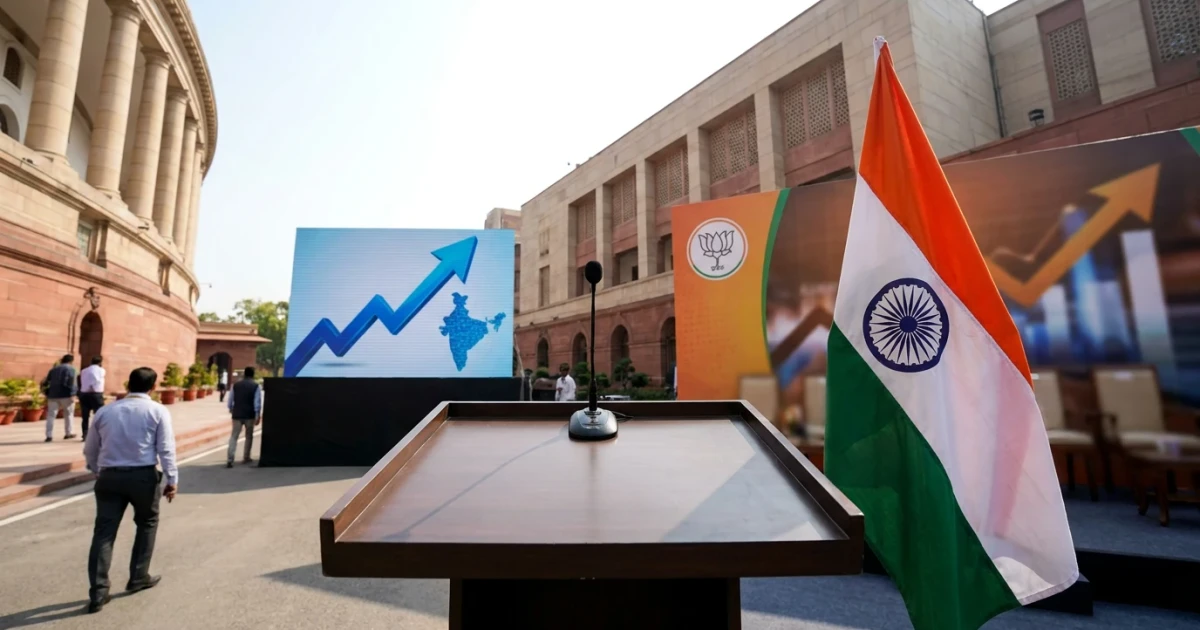
Prime Minister Narendra Modi has sharply criticized the Congress party’s handling of politics in Karnataka, while underscoring the Bharatiya Janata Party’s (BJP) expanding influence and recent national gains. Modi’s remarks, delivered amid ongoing political tensions in the state, reflect the BJP’s efforts to consolidate its position and challenge the Congress’s leadership in southern India.
Karnataka’s Political Landscape
Karnataka remains a focal point in Indian politics, with both major parties vying for dominance. The Congress, which has traditionally held sway in the state, faces mounting challenges from the BJP. According to official Karnataka election data, recent assembly elections have shown fluctuating fortunes for both parties, with the BJP making incremental gains in urban and rural constituencies.
- BJP has improved its seat tally in several regions, according to LokDhaba’s assembly election database.
- The parliamentary constituency data reveals an uptick in BJP’s vote share in Karnataka over the last two election cycles.
- Congress continues to retain strongholds but faces criticism and internal dissent, particularly in the aftermath of high-profile defections.
Modi’s Critique of Congress
During his address, Modi accused Congress of "mismanaging political affairs" in Karnataka and failing to deliver on governance. He linked Congress’s leadership struggles to broader issues of instability within the state, asserting that the party’s internal divisions have hindered progress and development.
BJP’s National Gains and Strategy
Modi also took the opportunity to showcase BJP’s achievements at the national level. The party has made significant inroads across several states, including Karnataka, through targeted campaigns and the mobilization of its national executive members. BJP’s strategy focuses on grassroots engagement, economic reforms, and leveraging its organizational strength to appeal to a wider voter base.
- BJP’s leadership claims to have advanced key reforms and infrastructure projects, both at the state and national levels.
- According to the Committee on Politics and Governance, BJP’s policy agenda has contributed to shifts in voter preferences, particularly among urban youth and rural communities.
Demographic and Socio-Economic Factors
Karnataka’s demographic landscape, as detailed in the 2021 Census, influences political outcomes. The state’s diverse population, growing urbanization, and rising literacy rates have shaped voter behavior and party strategies. BJP’s outreach efforts have targeted these changing demographics to strengthen its support base.
Analysis and Outlook
Modi’s statements reflect a broader national strategy aimed at positioning BJP as the party of stability and progress while portraying Congress as struggling with internal discord. The contest in Karnataka is emblematic of larger political trends across India, where regional dynamics and national strategies intersect. As the state prepares for future elections, the rivalry between Congress and BJP is likely to intensify, with both parties adapting their approaches to changing voter expectations and socio-economic realities.
For a deeper dive into official election records and historical statistics, readers can explore the data on party-wise performance, vote shares, and constituency-level results.