World
Modi visit to Australia could unlock uranium export deal
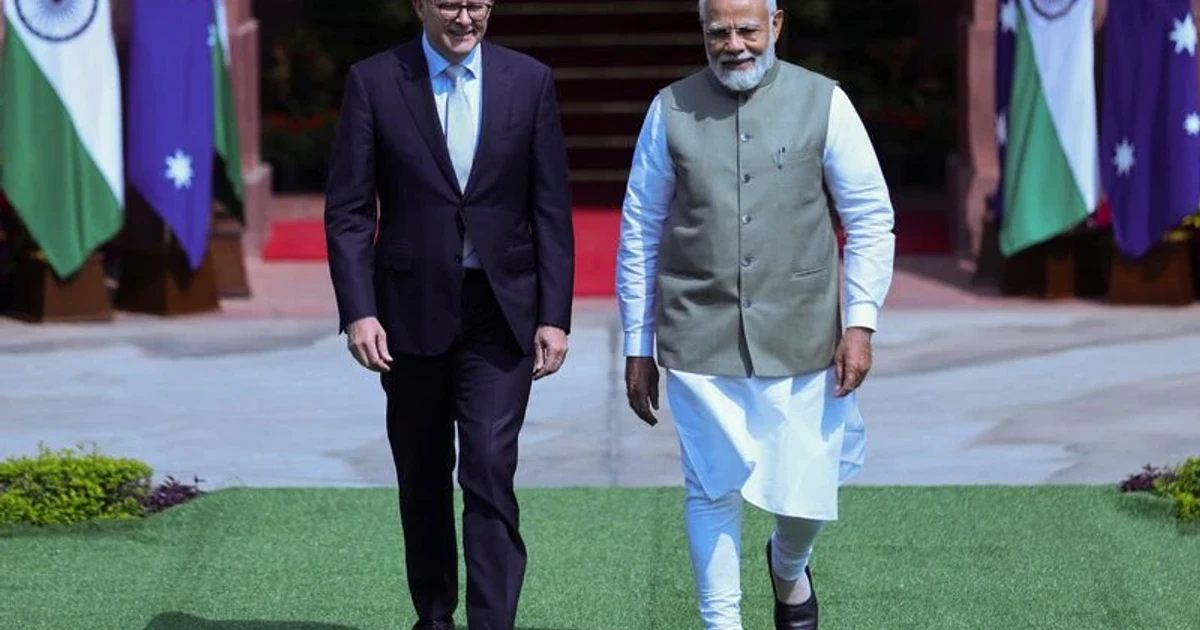
Narendra Modi arrived in Melbourne on Wednesday night with an agenda that could produce one of the visit’s few concrete deliverables: a uranium export deal between Australia and India. He was scheduled to meet Anthony Albanese on Thursday as the two governments put critical minerals, trade, defense and security cooperation at the center of the trip.
The uranium file is the clearest test of whether the visit is producing more than symbolism. Australia’s export rules restrict uranium sales to countries that are parties to the Nuclear Non-Proliferation Treaty, have an International Atomic Energy Agency safeguards agreement and Additional Protocol in force, and sit inside Australia’s bilateral nuclear cooperation network. India’s nuclear cooperation agreement with Australia entered into force on Nov. 13, 2015, and Australia says all uranium exports are for exclusively peaceful purposes under treaty-level conditions.
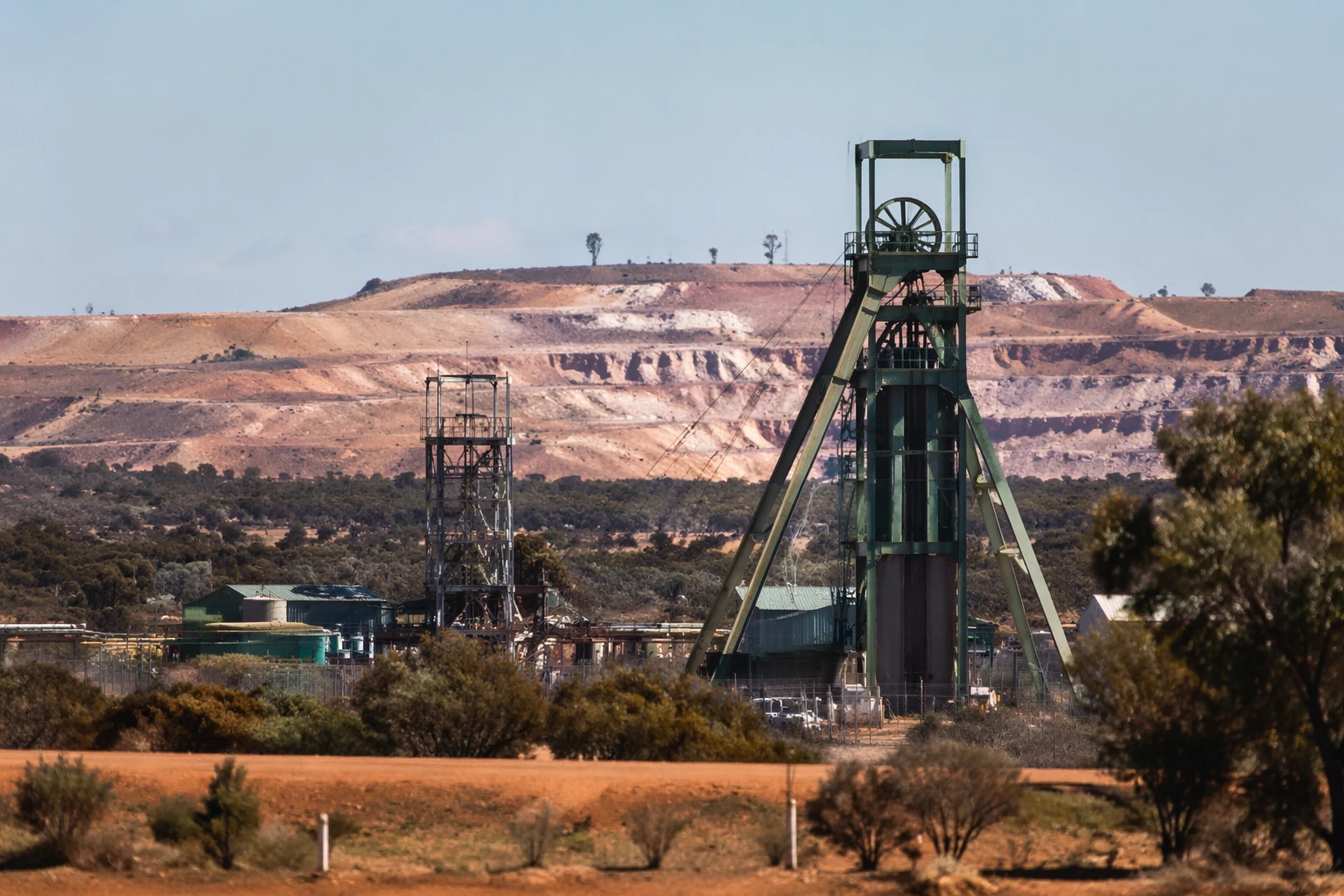
That framework has been on the books for years, but the 2014 Australia-India security framework also spelled out something more ambitious: early operationalization of civil nuclear energy cooperation and the potential supply of uranium for safeguarded Indian reactors. Albanese told reporters he would have more to say after meeting Modi and said the two governments had engaged constructively, a sign that Canberra and New Delhi both wanted to present the talks as a strategic reset tied to energy security and industrial supply chains.
India is Australia’s fifth-largest trading partner after China, Japan, the United States and South Korea, and the relationship has a major people-to-people dimension, with about 1 million people in Australia claiming Indian ancestry. Modi was also due to address the India-Australia CEOs Forum, giving both sides a venue to push business ties beyond raw materials into investment, manufacturing and defense industry links.

That political pitch was sharpened by the scale of the diaspora event in Melbourne. Organizers expected more than 20,000 people at the “Meets Modi” gathering on Thursday evening, and security was tightened nearby after reports of possible protests. Demonstrators planned to press Australia to raise Modi’s human rights record, underscoring how domestic politics now travels with major diplomatic visits.
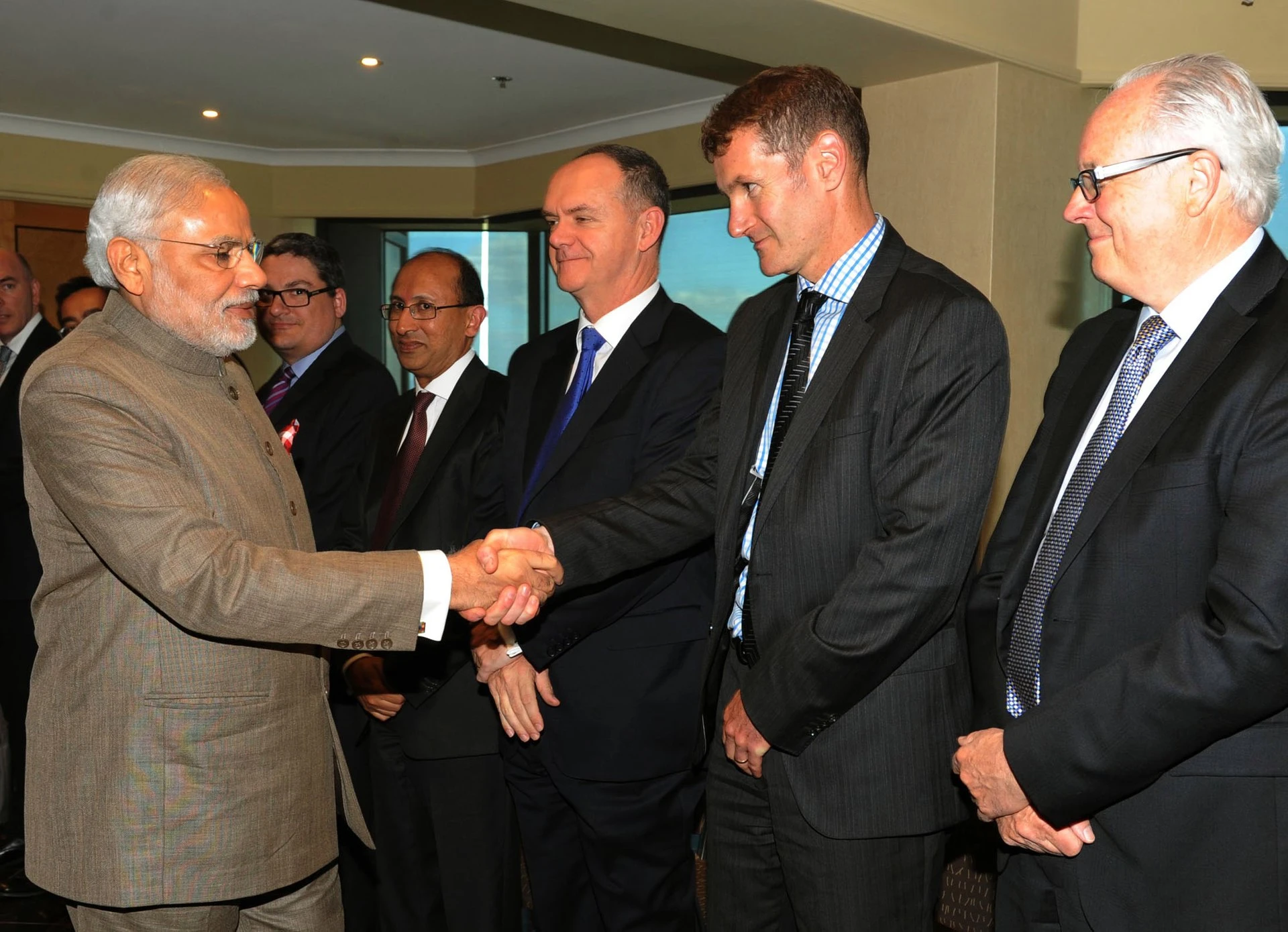
The Melbourne leg was part of a wider regional tour that made the strategic intent harder to miss. Modi had already been in Indonesia, where he signed agreements on agriculture and defense, including one involving the BrahMos cruise missile system. After Australia, he was scheduled to travel to Auckland for a July 10-11 state visit, the first by an Indian prime minister to New Zealand in four decades, extending a run of Indo-Pacific engagements built around critical minerals, defense and supply-chain resilience.
Sources
- [1]y94.com
- [2]usnews.com
- [3]abc.net.au
- [4]pmindia.gov.in
- [5]dfat.gov.au