World
Mojtaba Khamenei Calls Conflict With US, Israel ‘Jihad’
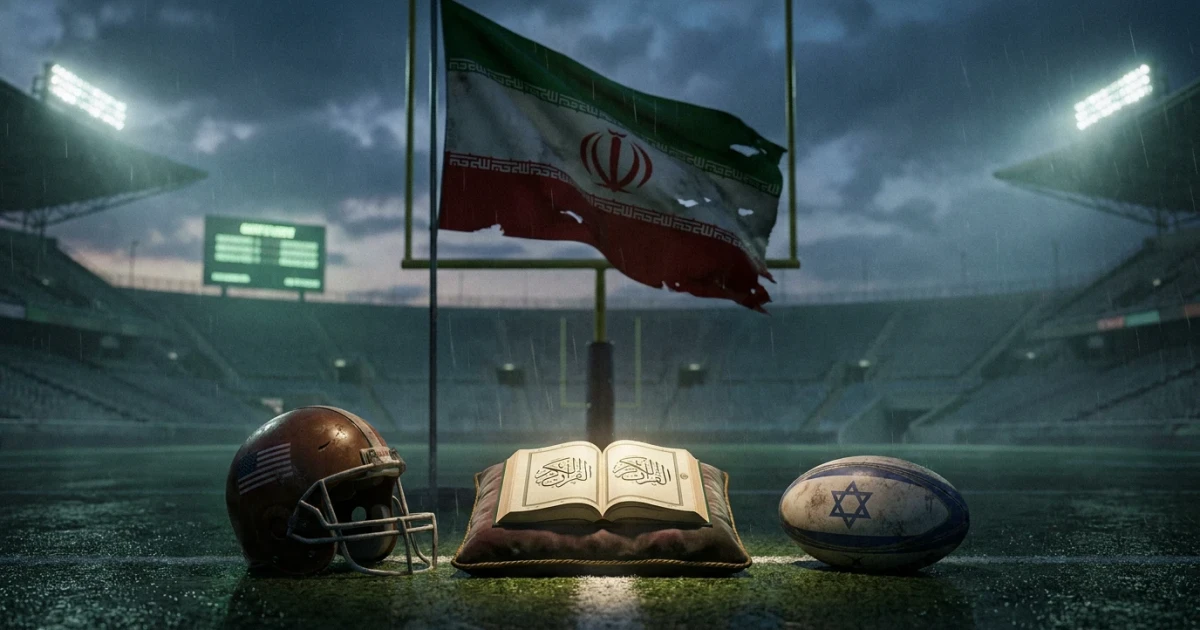
Mojtaba Khamenei, a prominent Iranian cleric and son of Supreme Leader Ayatollah Ali Khamenei, is increasingly framing Iran’s confrontation with the United States and Israel as a religious ‘jihad,’ according to analysis reported by Fox News. This rhetoric underscores a growing trend among Iran’s leadership to cast ongoing regional tensions in explicitly ideological terms, raising concerns about the potential for further escalation in the Middle East.
Religious Rhetoric and Ideological Framing
Fox News cited analysts who note that Mojtaba Khamenei’s use of the term ‘jihad’ signals a deliberate effort to mobilize both public sentiment and Iran’s political base by portraying the conflict as a sacred religious duty. This framing is not new in Iranian political discourse, but the emphasis from Mojtaba—widely seen as a possible future Supreme Leader—suggests a hardening stance within the country's highest echelons of power.
- The term ‘jihad’ carries deep religious significance in Iran, aligning the government’s military and ideological objectives with Islamic doctrine.
- This messaging resonates with Iran’s religious leadership structure and appeals to conservative elements of society.
- Such framing can serve to justify the country’s ongoing support for proxy groups and its assertive regional policy.
Context: Ongoing Tensions With the US and Israel
Tensions between Iran, the US, and Israel have remained high in recent years, driven by disputes over Iran’s nuclear program, regional influence, and support for armed groups. According to the U.S. State Department’s Country Reports on Terrorism, Iran continues to provide material and financial support to entities designated as terrorist organizations, fueling instability throughout the region.
Iran’s military capabilities have also evolved, in part due to both domestic production and international arms transfers. Data from the SIPRI Arms Transfers Database show that Iran remains under significant international arms embargoes, yet it has managed to develop indigenous missile and drone technology that it shares with regional allies.
Internal Messaging and National Identity
Iranian state media and officials frequently reference concepts such as the ‘third sacred defense,’ invoking the country’s history of resistance, particularly the Iran-Iraq War. Coverage from outlets like نورنیوز describes these references as part of the ‘Epic of third sacred defense,’ reinforcing the narrative that Iran’s struggles are not only political but also cultural and spiritual. This blend of history, religion, and nationalism is central to the way the leadership seeks to unify the population.
- The invocation of epic poetry and religious duty, such as citing the Shahnameh as ‘Iran’s reality,’ is used to frame ongoing conflict as part of an enduring national saga.
- This approach serves to legitimize the government’s policies at home and project resolve abroad.
Implications for Regional Stability
Experts from the International Crisis Group note that such ideological framing can complicate diplomatic engagement and increase the risk of miscalculation. When leaders present conflict as a religious duty, it raises the stakes for all parties and makes compromise more difficult. The entrenchment of this narrative could also hinder efforts to revive nuclear negotiations or de-escalate regional flashpoints.
Iran’s Islamic Revolutionary Guard Corps (IRGC), a key actor in implementing Tehran’s regional strategy, is ideologically committed to defending the Islamic Republic’s interests. According to research by the Center for Strategic and International Studies, the IRGC’s structure and doctrine are closely aligned with the leadership’s religious and nationalistic messaging.
Leadership Succession and the Role of Mojtaba Khamenei
Mojtaba Khamenei’s rising public profile and increasing use of religious language have fueled speculation about his potential succession to the Supreme Leader position. As outlined in background analysis from Pew Research Center, the Supreme Leader holds both religious and political authority, and the manner in which candidates frame external threats can shape public perceptions and elite support.
Conclusion
The intensification of religious rhetoric by Mojtaba Khamenei and other Iranian leaders signals a deeper ideological commitment to confrontation with the US and Israel. While this strategy may consolidate support within Iran, it risks further entrenching regional divisions and complicates diplomatic efforts. Observers will be watching closely to see how this narrative influences both policy decisions and the broader balance of power in the Middle East.