Politics
Moldova prime minister resigns, triggering government collapse and new talks
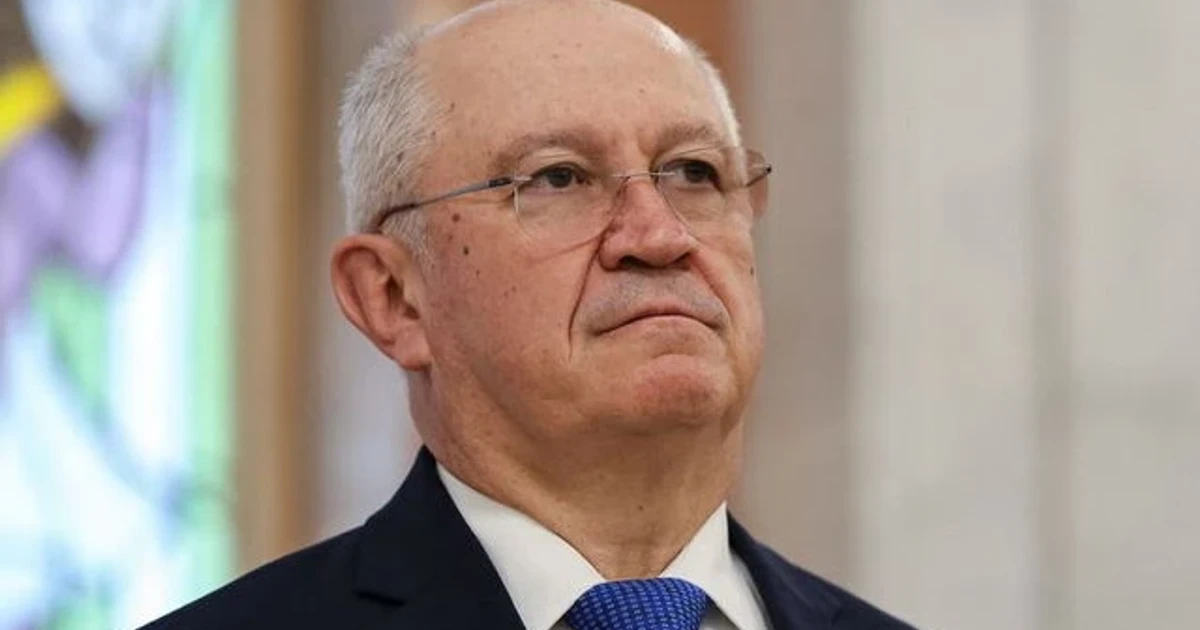
Alexandru Munteanu resigned as Moldova’s prime minister on Friday, automatically bringing down his government and pushing President Maia Sandu back into consultations over a new cabinet. In a post on X, Munteanu wrote, “Today, my term as Prime Minister comes to an end,” saying he had reached the point where he could no longer carry out his mandate in line with his principles and convictions.
The move hands Sandu and her Party of Action and Solidarity a delicate political test just months after the September 2025 parliamentary election, when PAS defeated its Russia-leaning rival and won another mandate to keep steering Moldova toward European Union membership. Under Moldova’s Constitution, the president must consult parliamentary factions before designating a prime minister candidate, and that nominee then has 15 days to seek a vote of confidence from Parliament on the government program and full cabinet list.
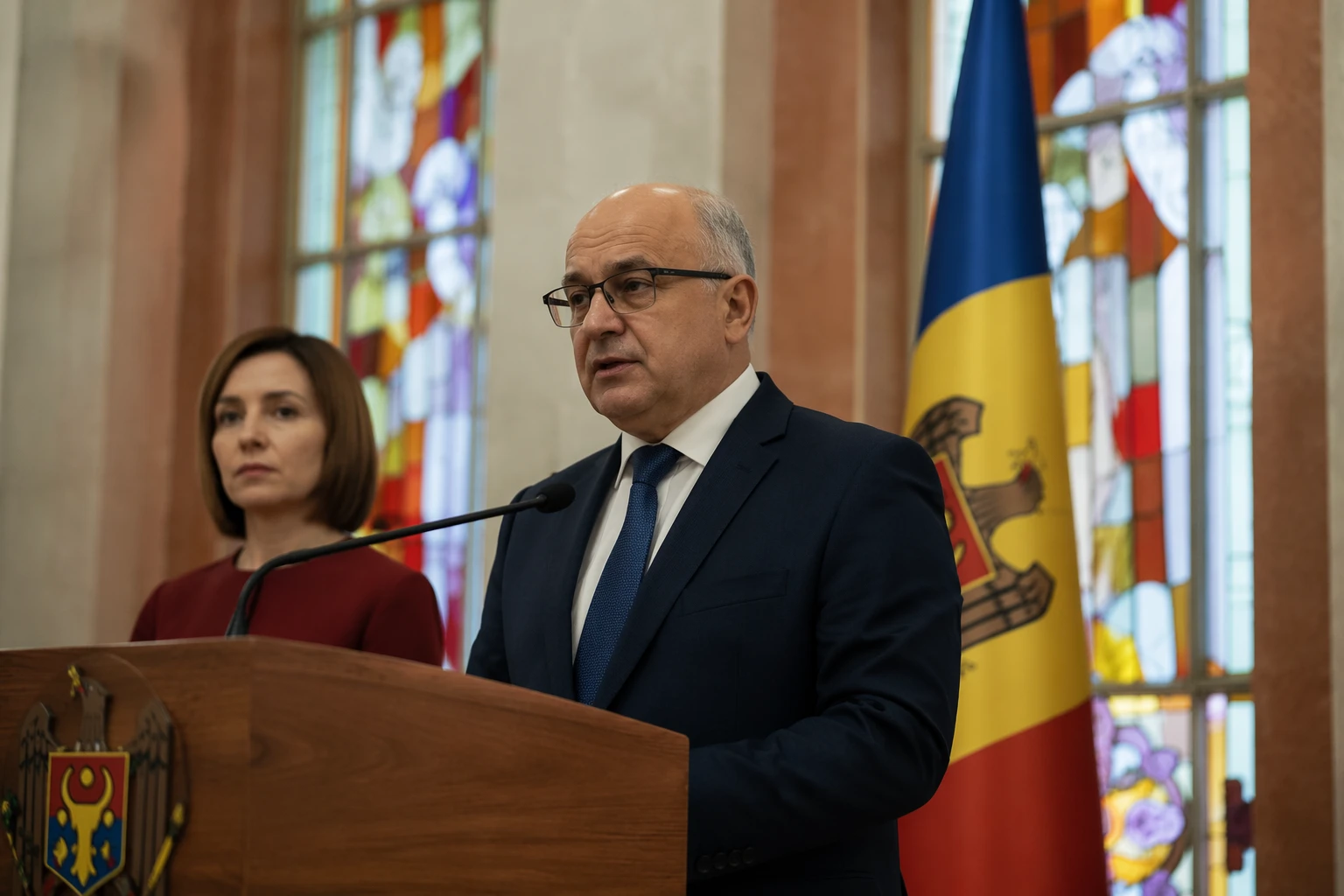
Munteanu, 62, had served as prime minister since November 2025. Before entering government, he spent nearly 20 years working outside Moldova, including at the World Bank, which made him a symbol of the technocratic, reform-minded wing of the country’s governing elite. His departure does not end Moldova’s EU bid, but it injects uncertainty into a country already under pressure from Russia and still trying to prove that its institutions can hold steady.
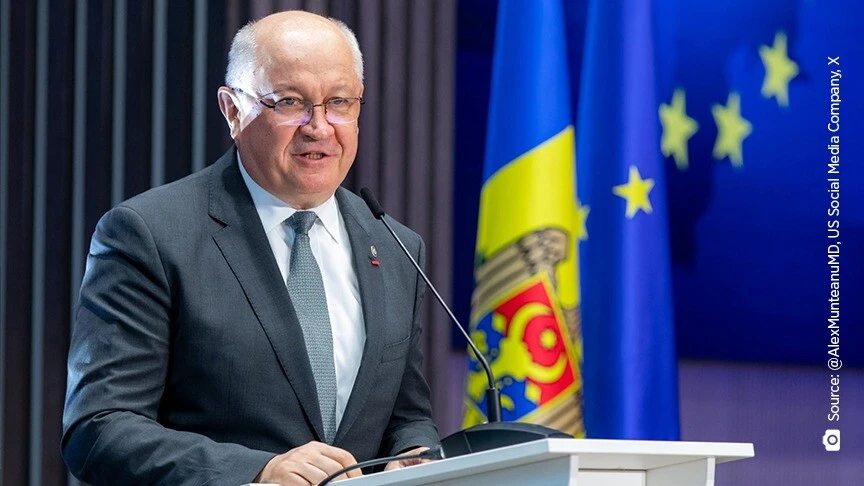
That uncertainty is now the opening opposition figures have been looking for. Calls for early parliamentary elections surfaced quickly after the resignation, with critics arguing that the move exposed a wider crisis inside PAS. If Sandu’s camp cannot quickly settle on a replacement who can secure parliamentary backing, the issue could deepen voter frustration and give pro-Russian forces more room to frame the government as unstable and out of touch.
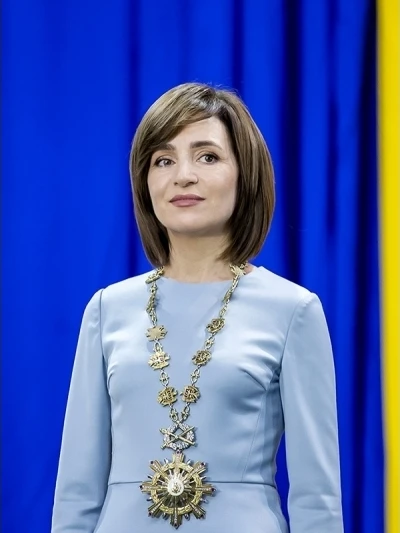
Moldova’s position makes the stakes higher than a routine cabinet change. The country sits between Ukraine and EU member Romania, with a Romanian-speaking majority, a sizable Russian-speaking minority and a political history shaped by competing pulls toward Brussels and Moscow. The government will remain in a caretaker role until a successor is appointed and sworn in after parliamentary approval, leaving Sandu with a narrow window to show that the pro-European course survives even when its leadership shifts abruptly.
Sources
- [1]usnews.com
- [2]thestar.com.my
- [3]moldovalive.md
- [4]constcourt.md
- [5]president.md
- [6]armenpress.am
- [7]news.yam.md