Politics
Moldova shuts Russian cultural centre amid break with Moscow
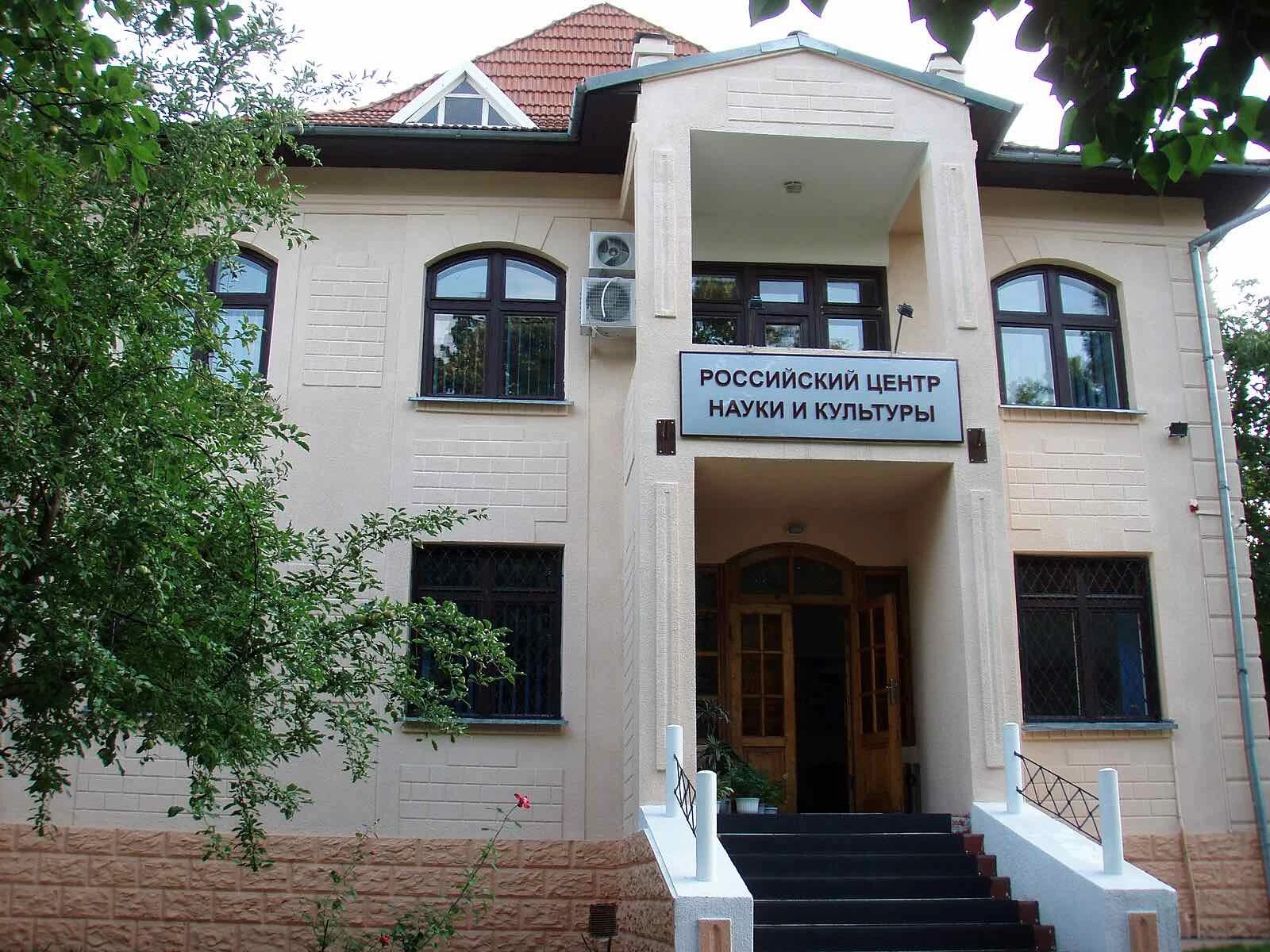
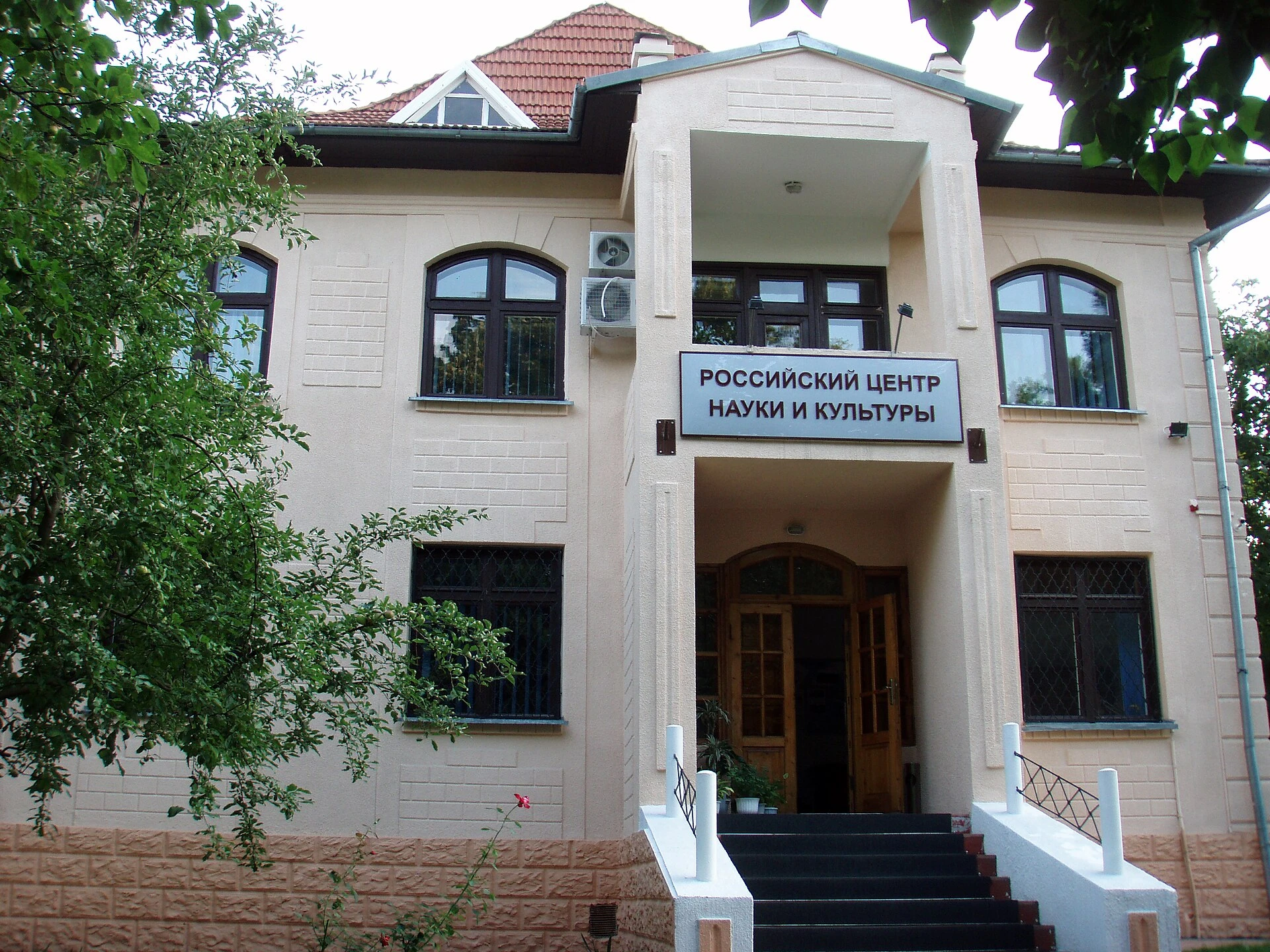
The Russian Centre for Science and Culture in Chișinău closed its doors on Saturday after Moldova let the legal basis for the institution expire and pressed ahead with a wider break from Moscow. The centre had operated for more than 15 years and had been part of a 1998 agreement between Moldova and Russia that entered into force on July 4, 2001 and renewed automatically every five years.
Moldova’s government approved denunciation of that agreement on November 5, 2025, and Parliament backed the move with 57 votes in the 101-seat chamber on November 27, 2025. Officials said ending the treaty would terminate the centre’s activity without financial or economic consequences for Moldova. The Russian House in Chișinău had opened in 2009 under the deal.
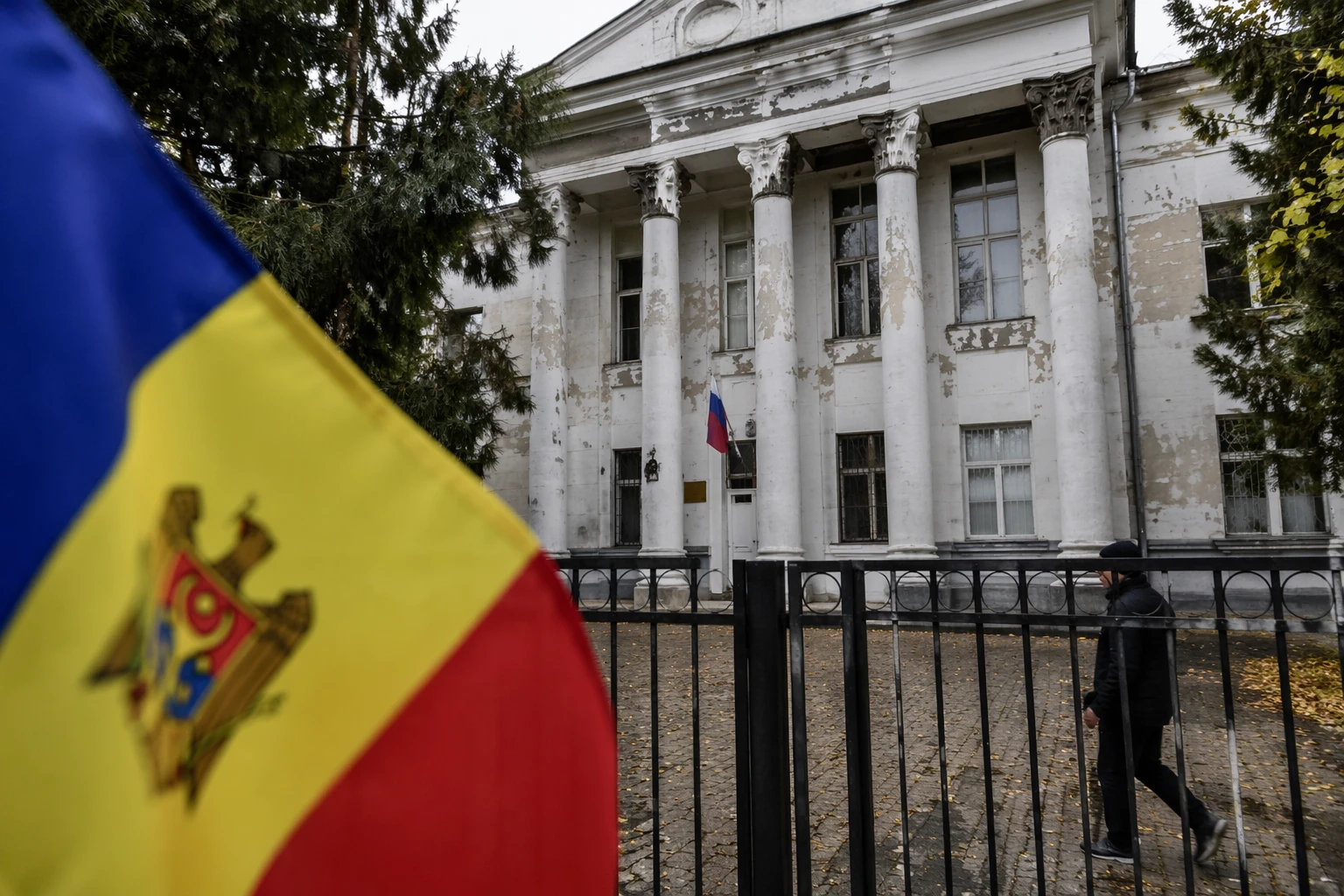
The closure lands in a political climate shaped by war next door and by rising anxiety in Chișinău over Russian influence. Moldova’s foreign ministry said that on the night of February 12-13, 2025, multiple drones crossed Moldovan airspace, and two crashed and exploded in uninhabited areas. On November 26, 2025, the foreign ministry summoned Russian ambassador Oleg Ozerov and displayed a drone that had fallen on Moldovan soil.
The government has argued that a cultural centre can be used to promote narratives that threaten national security. Moscow’s embassy in Moldova said the centre had served as a place for dialogue and friendship, and said some of its functions would be moved to the embassy’s cultural department. The dispute turned a building dedicated to language, books and events into a symbol of a deeper diplomatic rupture.
That rupture has widened as Moldova moves toward the European Union. The country applied for EU membership on March 3, 2022, received candidate status on June 23, 2022, and the bloc opened accession negotiations in June 2024. In June 2026, Moldova and the EU held their second summit in Brussels, and the EU completed screening across all negotiation clusters. Maia Sandu has said Moldova aims to be ready to join the bloc by 2030.
The shift also reflects a struggle over identity inside a country of about 3.0 million people. Russian remains widely used, but younger Moldovans increasingly speak Romanian, the official language. In places such as Taraclia and Ceadîr-Lunga, where cultural identity has long been entwined with local politics, the loss of a Russian state-backed institution will be felt beyond the capital. For Chișinău, the closure marked another step in moving away from Moscow, not only on energy and security, but on language, education and soft power as well.
Sources
- [1]usnews.com
- [2]moldpres.md
- [3]mfa.gov.md
- [4]reutersconnect.com
- [5]consilium.europa.eu
- [6]europarl.europa.eu