Politics
Molly Russell’s father accuses Starmer of rushing social media plans

Ian Russell accused Sir Keir Starmer of rushing plans to tighten social media access for children, saying he could "not think of a reason other than a political reason" for bringing forward the announcement. The father of Molly Russell said that motive would be "deplorable" and warned that if the prime minister was "playing politics" he would be "gambling with young people's lives."
The row has sharpened as reports linked the expected announcement to the Makerfield by-election on 18 June 2026. That timing has put the government under pressure to show that any new restrictions are designed to close real safety gaps, not just produce a harder headline before voters go to the polls.
Molly Russell was 14 when she died in 2017 after viewing harmful content online, a case that became a defining example of how social media platforms can expose children to material linked to self-harm and suicide. Her death has remained central to the debate over whether the United Kingdom is finally moving from promises to enforceable rules, or simply repackaging safeguards that should already have been in place.
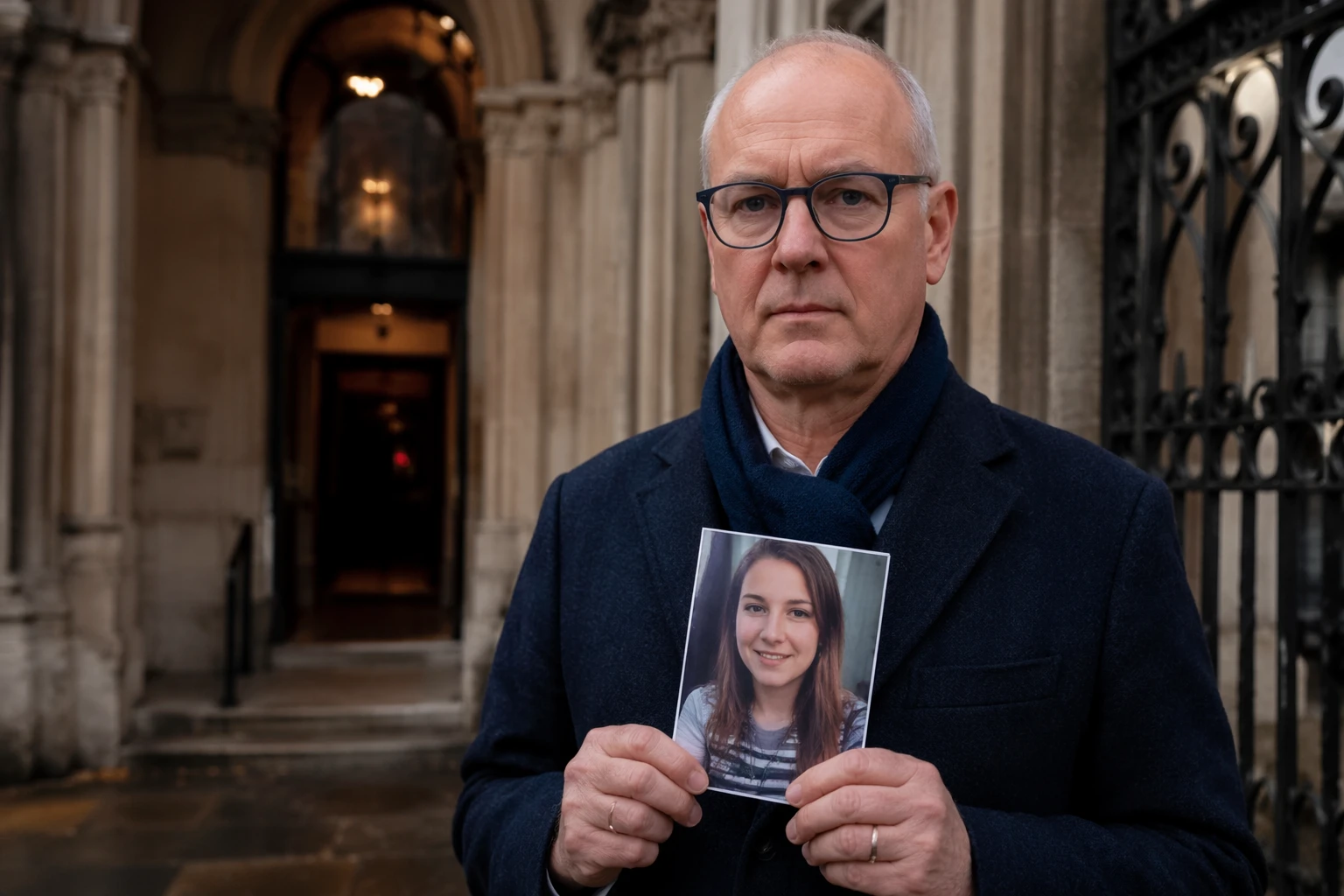
The government opened a consultation on children's social media use on 19 January 2026 and closed it on 26 May 2026. Under the Children’s Wellbeing and Schools Act 2026, which received Royal Assent on 29 April 2026, ministers now have power to impose age or functionality restrictions on under-16s without needing a new Act of Parliament. That shift gives Downing Street a faster route to act, but also raises the stakes for whether the measures will be tightly drawn and genuinely enforceable.
Ofcom has already been moving on child safety. On 16 January 2025 it published guidance requiring highly effective age assurance to help prevent children encountering pornography and other harmful content, and on 24 April 2025 it finalised child-safety measures that were due to take effect from July 2025. In March 2026, Ofcom said more services were introducing age checks across social media, dating, gaming and messaging, alongside enforcement action where companies fell short.

That history matters because the new political fight is not about whether child safety rules are needed. It is about whether the government’s latest restrictions will do what Molly Russell's case exposed: force platforms to police harmful content and risky design more effectively, or simply create the appearance of action while children continue to find dangerous material elsewhere.
Sources
- [1]bbc.com
- [2]sg.news.yahoo.com
- [3]telegraph.co.uk
- [4]commonslibrary.parliament.uk
- [5]gov.uk
- [6]ofcom.org.uk
- [7]bbc.co.uk