Entertainment
MoMA explores Marcel Duchamp’s chess obsession through new exhibition
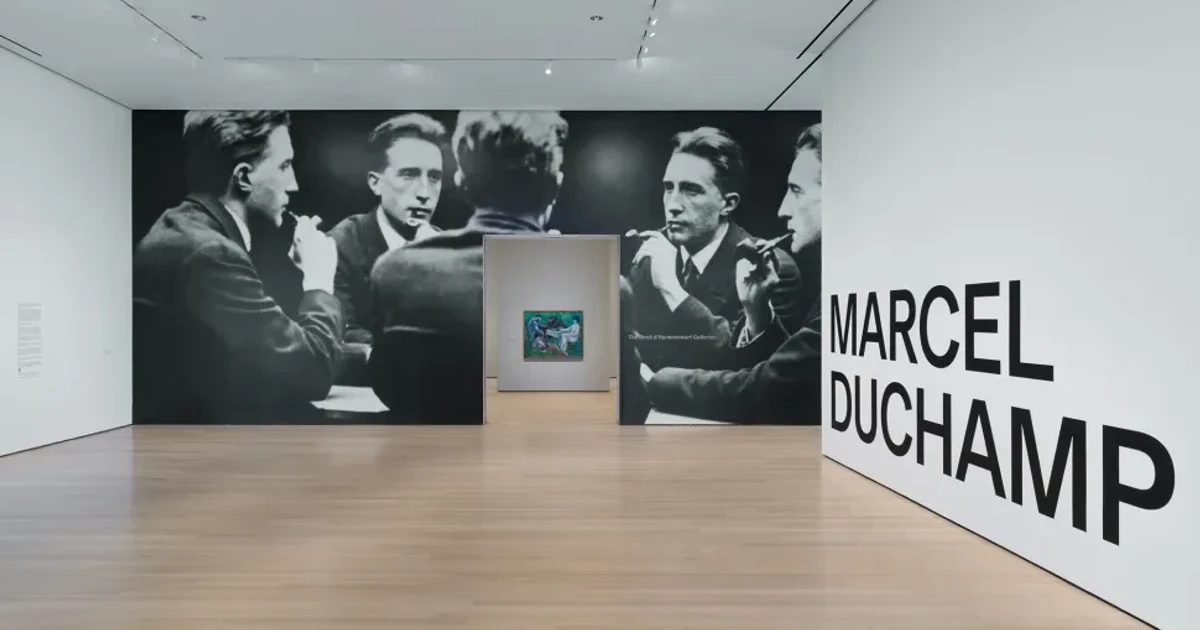
Marcel Duchamp’s chess obsession is becoming the key to his legacy at the Museum of Modern Art. The museum is using the game to reframe one of modern art’s most disruptive figures, not as a man who walked away from art, but as an artist who kept testing how structure, chance and spectatorship work. The exhibition runs from April 12, 2026, through August 22, 2026, and it arrives as MoMA’s first North American Duchamp retrospective in more than 50 years.
Chess was never separate from the art
The old line that Duchamp “gave up art in 1923 to play chess” has long stuck to him, but MoMA’s framing pushes against that simplification. Chess appears in his work well before the myth hardened, including Portrait of Chess Players, 1911, and Designs for Chessmen, c. 1920, both of which appear in the museum’s collection and exhibition materials. That matters because it shows the game was not a late-life retreat from art, but part of the same intellectual system that produced his ready-mades and conceptual gestures.
Chess fit Duchamp because it is both rigid and open-ended: the rules are fixed, yet the possible positions are nearly infinite. That makes the board a useful lens for a figure who spent his career turning ordinary objects and systems into questions about authorship, value and meaning. In MoMA’s hands, chess becomes another way to explain how Duchamp turned looking into thinking.
A retrospective with institutional memory
MoMA is not just staging a show about a pastime. It is reopening a historical case file that the museum itself helped create, since the last major Duchamp retrospective was the 1973 survey co-organized by MoMA and the Philadelphia Museum of Art. The new exhibition gives the institution a chance to revisit one of modernism’s central myths with a broader set of tools, from art history to game theory.
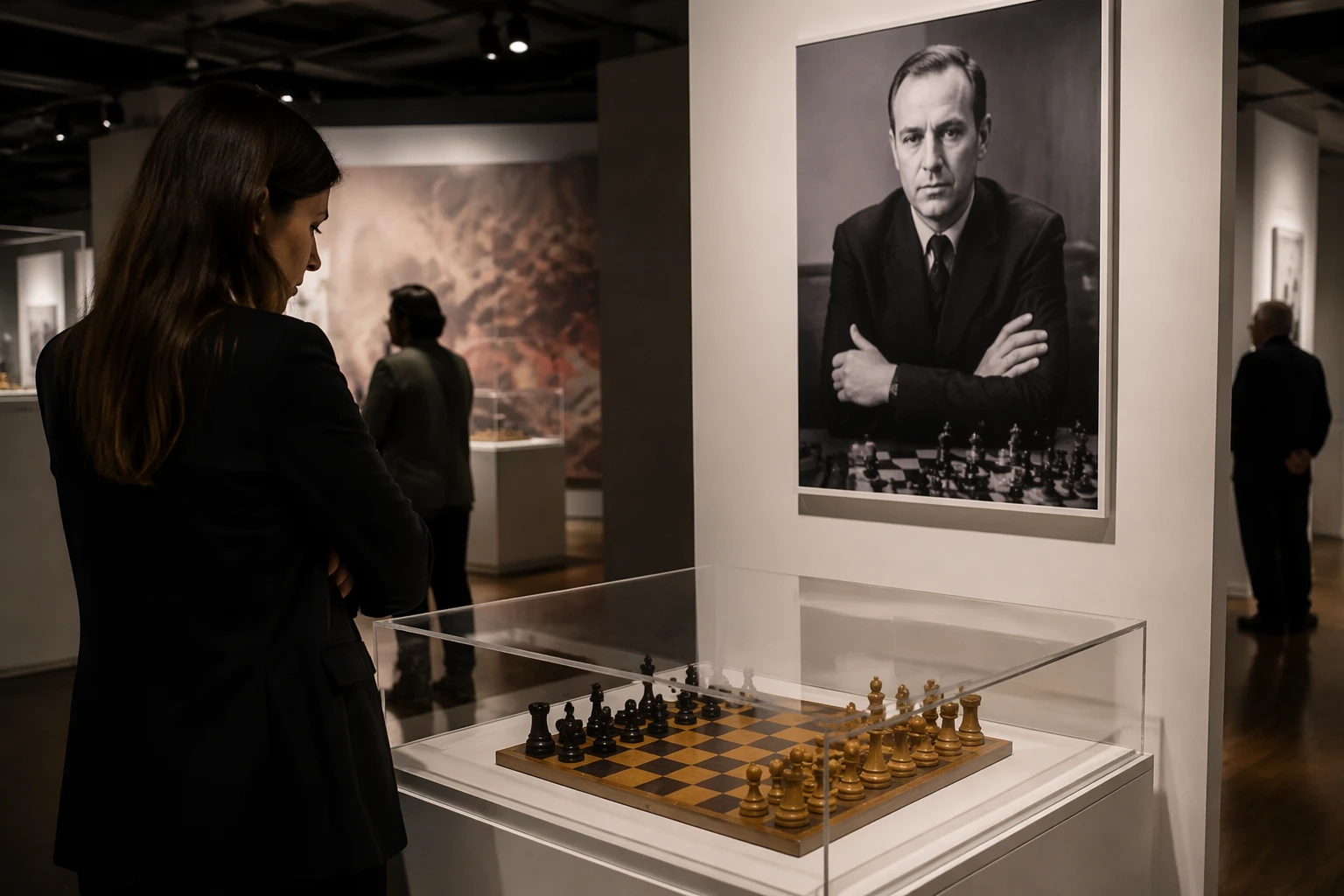
That matters because major museums have increasingly been reintroducing canonical artists through side passions and intellectual systems rather than only through the most famous objects. Duchamp is especially suited to that approach. His influence stretches beyond a single medium, and his ideas still shape conversations about repetition, play, authorship and the boundary between art and life.
The chess frame also feels timely in a culture where strategy games have a renewed public life through online play, streaming and tournament coverage. That contemporary resonance gives MoMA a way to make Duchamp legible to visitors who may know the name but not the logic behind the work. The exhibition is not simply asking whether he abandoned art for chess; it is asking why the boundary between the two was never as clear as the cliché suggests.
What the public programming adds
The exhibition is being extended into performance and live interpretation. Susan Polgar, the chess grandmaster, is scheduled to play 50 artists, critics and fans of Marcel Duchamp simultaneously on July 28, Duchamp’s birthday. The scale of that encounter turns chess into a public event, not just a metaphor, and it gives the exhibition a theatrical dimension that fits Duchamp’s taste for provocation.
MoMA’s calendar also lists Duchamp Talks with curators Michelle Kuo and Ann Temkin, along with a gallery experience centered on Portrait of Chess Players. Those programs suggest the museum is not treating the retrospective as a static display of masterpieces, but as a platform for explaining how Duchamp’s art and his chess practice speak to one another. The gallery format matters here because it allows visitors to move between objects, commentary and the rules-based structure that fascinated Duchamp in the first place.
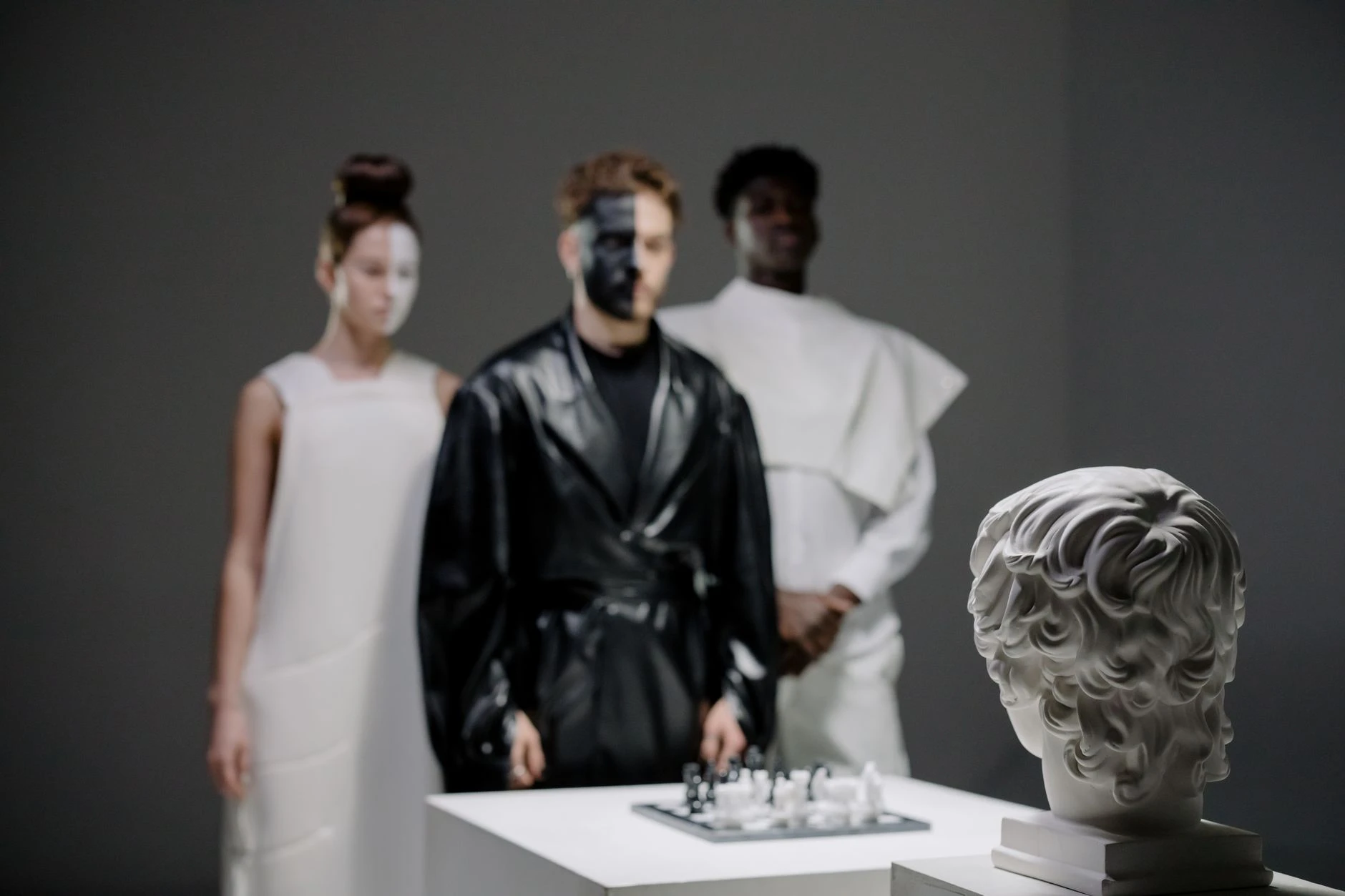
That mix of scholarship and live programming reflects a broader museum strategy. By pairing iconic modern art with a game that has its own culture of competition and spectatorship, MoMA is making the show feel like an active system rather than a closed archive. Duchamp’s board becomes a place where museums can stage the same questions he did: who makes meaning, who watches, and who gets to decide what counts as serious play.
Why the chess angle endures
Duchamp’s chess story has survived because it is easy to retell, but the sharper version is more interesting. He did not simply leave art behind for a game; he carried his way of thinking into a different domain, one governed by visible rules and hidden possibilities. That is why chess remains such a strong lens for his work, and why museums keep returning to it when they want to explain modernism as an intellectual practice as much as a visual one.
MoMA’s retrospective uses that idea to make Duchamp feel current without flattening him into a slogan. The exhibition’s dates, its long gap since the last major North American survey, the chess works in the collection, and the live match with Polgar all point in the same direction: the board is not an anecdote attached to Duchamp’s biography, but one of the best ways to understand how he thought.
Sources
- [1]nytimes.com
- [2]moma.org
- [3]press.moma.org