Health
Monash study finds copper compound may clear Alzheimer’s proteins

Monash University researchers have pointed to a different kind of Alzheimer’s target: the brain’s own waste-removal machinery. In laboratory experiments, the copper-delivery compound Cu(ATSM) restored the brain’s ability to clear toxic proteins and improved long-term spatial memory in animal models, a signal that the treatment may do more than chase plaques already formed.
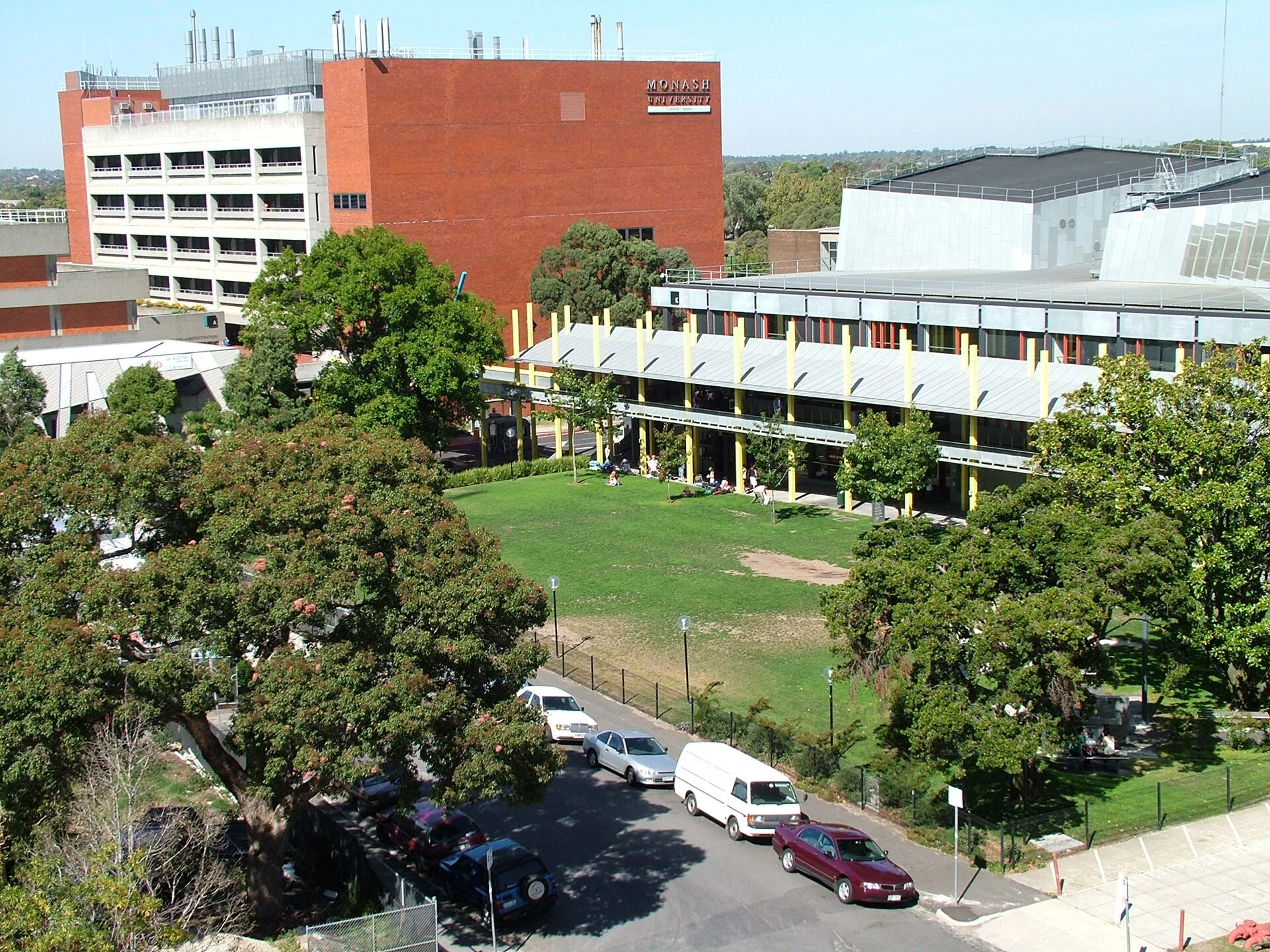
The work, published June 15 in ACS Chemical Neuroscience, was led by Dr Jae Pyun and senior author Professor Joseph Nicolazzo of the Monash University Faculty of Pharmacy and Pharmaceutical Sciences and the Monash Institute of Pharmaceutical Sciences. The team said Cu(ATSM) reduced amyloid buildup by helping repair a vital pump at the blood-brain barrier, the thin interface that controls what enters and leaves the brain. That matters because Alzheimer’s is now understood as more than a plaque disease alone; breakdowns in vascular function and clearance pathways are increasingly seen as part of the damage.
The translational appeal is obvious, but so is the gap. These findings are preclinical, which means they do not show that Cu(ATSM) helps people with Alzheimer’s disease, slows decline, or improves memory in humans. They do suggest a mechanism that could matter if future trials confirm it: restoring the brain’s housekeeping system may lower toxic protein levels before injury becomes irreversible, rather than only trying to intervene after neurons have already been lost.

The compound is not starting from scratch. ClinicalTrials.gov lists earlier human studies of Cu(II)ATSM in amyotrophic lateral sclerosis and motor neuron disease, including an open-label phase 1 trial that began at 3 mg/day with planned dose escalations to 6, 12, 24 and 48 mg/day. It also lists a phase 1 Parkinson’s disease study that started at 12 mg/day, along with a multicenter, randomized, double-blind, placebo-controlled phase 2 ALS trial designed for 80 participants and started Sept. 30, 2019. PubMed abstracts have described Cu(II)ATSM as orally bioavailable, able to enter the brain, and previously studied for neuroprotection in Parkinson’s disease, stroke and ferroptosis-related mechanisms.
That history may make Cu(ATSM) a more practical candidate for further development than a brand-new molecule, but Alzheimer’s drug development has a long record of promising biology failing in human testing. Monash’s broader neurodegeneration research has focused on blood-brain-barrier dysfunction and transporters such as P-glycoprotein, and a 2025 Nature review described blood-brain-barrier dysfunction as a hallmark of major brain diseases, including Alzheimer’s disease. For families waiting on better treatments, the next step is not celebration but proof: controlled human trials that can show whether restoring clearance in the lab translates into real protection in the brain.