US News
Montana nurse self-rescues after trekking pole impales his side
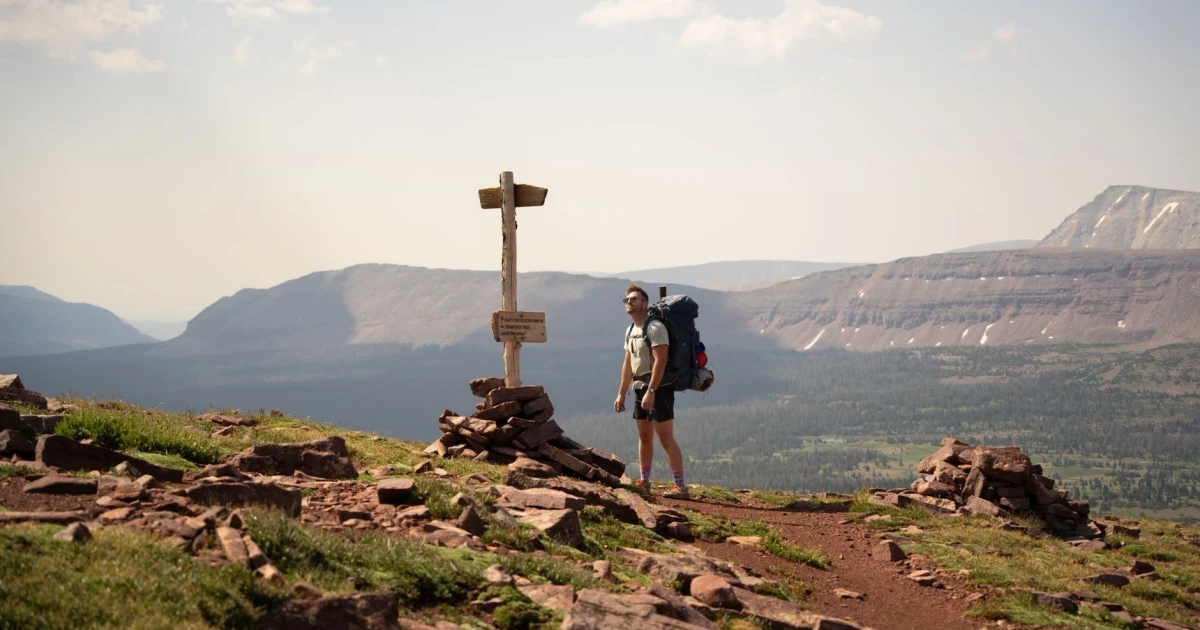
David Cifaldi kept moving after a trekking pole pierced his side on Granite Peak, hiking more than 10 miles to safety instead of waiting for a helicopter. The 32-year-old Billings nurse was climbing Montana’s tallest mountain with two friends when he slipped on loose rock or gravel and fell onto one of his own poles.
The accident happened on July 20, 2026, after the group had been hiking for about seven hours. Accounts place the injury at roughly 11,800 to 12,000 feet in the Beartooth wilderness area of the Custer Gallatin National Forest, and Cifaldi spent about six hours getting down.
The pole remained lodged in his body as he descended. One account said it entered below his armpit, passed through his left latissimus dorsi muscle and came out his back. Cifaldi works in wound care and has been described as a former emergency room nurse, a background that appears to have shaped the decision to keep moving under his own power.
Granite Peak rises to about 12,799 to 12,807 feet and is widely regarded in climbing guides as one of the most difficult state high points in the Lower 48. Standard approaches are long, with some route descriptions putting the round trip at 24 to 27 miles and elevation gain between about 5,780 and 8,000 feet. The mountain sits in rugged country near Yellowstone National Park, where steep terrain and long approaches can turn even a well-planned climb into a prolonged rescue problem.
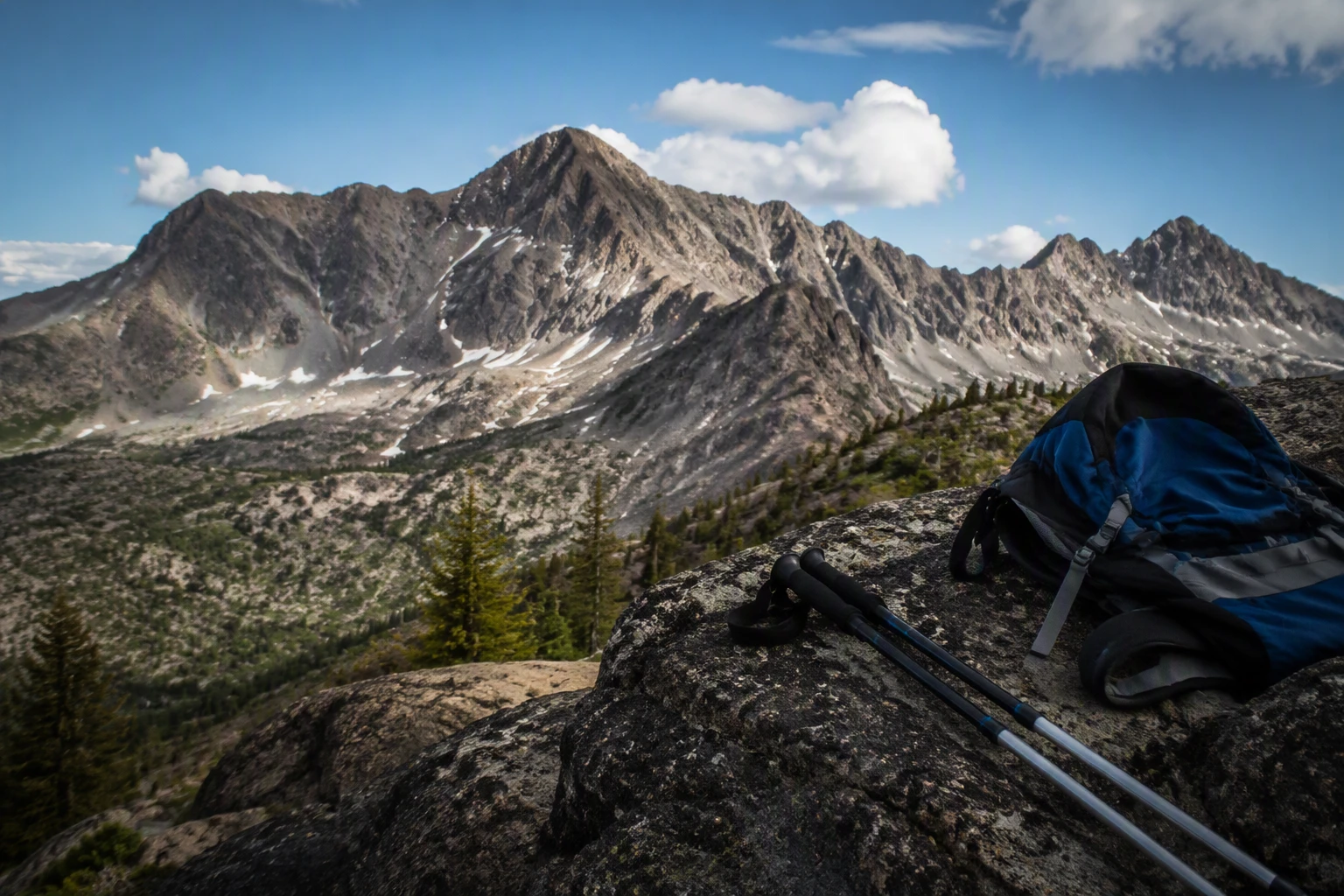
Cifaldi later said he and his friends had been trying to reach the summit. A GoFundMe titled “Impaled at 11,800 Feet, ER Nurse Self-Rescued 10 Miles Out” was set up to support him, and the page showed $8,579 raised toward an $11,000 goal.
His decision not to call for a helicopter rescue put a sharp spotlight on the limits of self-rescue in the backcountry. When an injured climber is still able to walk, the fastest path out may be a painful descent on foot, but that option depends on terrain, distance, and the body’s ability to keep moving long after a fall should have ended the day.
Sources
- [1]bbc.co.uk
- [2]nytimes.com
- [3]usatoday.com
- [4]kltv.com
- [5]fox8.com
- [6]foxnews.com
- [7]gofundme.com
- [8]highpoint.guide
- [9]themountainguides.com
- [10]fs.usda.gov
- [11]kulr8.com