Science
Moose Calf Left Behind Highlights Challenges of Survival in the Wild
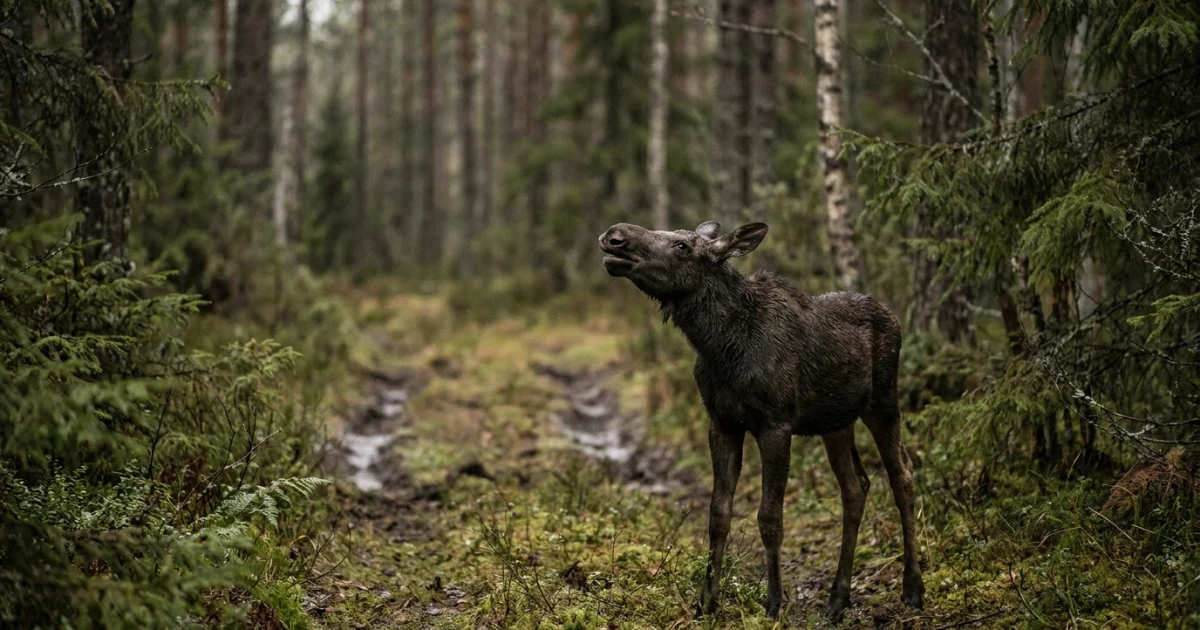
A recent video capturing a days-old moose calf crying plaintively after its mother walked off with its larger twin has resonated deeply with viewers, shining a spotlight on the often harsh realities of wildlife survival and maternal instincts in the animal kingdom.
The Viral Moment and Public Reaction
First reported by Yahoo, the incident shows a newborn moose calf alone and calling out after its mother, a cow moose, departed with its stronger, larger sibling. The scene, described by Yahoo as one that "tugs at my heart," quickly gained attention on social media. Many viewers expressed sadness and empathy for the abandoned calf, while others noted the episode as a window into the realities of nature's survival strategies.
Why Moose Sometimes Abandon Calves
Abandonment of young is not uncommon among moose and other large mammals. According to the National Wildlife Federation's moose species guide, moose typically give birth to one or two calves each spring. Twin calves, while not rare, present additional challenges for the cow, especially if one calf is weaker or smaller. Research indicates that mothers may prioritize the survival of the stronger calf when resources are scarce or when one offspring is significantly less likely to survive.
- Moose calves rely heavily on their mothers for the first several months of life for protection, warmth, and nutrition.
- Studies have shown that calf survival is closely linked to the mother's health and environmental factors such as predator density and food availability.
- Cows sometimes make the difficult decision to leave behind a weaker twin to focus their energy on the calf with a higher chance of survival.
Moose Calf Survival Challenges
In Alaska and across North America, moose calf mortality rates can be high, especially within the first weeks of life. Data from the Alaska Department of Fish and Game show that predation, environmental stress, and poor maternal condition are leading causes of calf mortality.
- Research from the Alaska Department of Fish and Game reveals that calf survival rates can range widely, with some regions experiencing losses of over 50% in the first month.
- Official studies attribute these losses to predation by bears and wolves, starvation, or abandonment due to poor health or environmental pressures.
Maternal behavior, as highlighted by the viral video, plays a significant role in calf outcomes. According to recent peer-reviewed research, a cow's physical condition, available forage, and stress levels can influence her ability to care for multiple calves.
Ecological and Emotional Perspectives
While scenes like the one captured in the video evoke a strong emotional response, wildlife experts emphasize that such events are a natural part of population dynamics. The COSEWIC Assessment Report on moose in Canada notes that factors like habitat quality, predation, and climate can impact calf survival rates regionally and year-to-year.
For members of the public, these moments provide an important opportunity to learn about the complexities of wildlife management and the balance between emotional response and ecological understanding. While the fate of the abandoned calf remains unknown, such incidents highlight both the vulnerability and resilience of moose populations in the wild.
Looking Ahead
Conservationists and biologists continue to study moose population dynamics to better understand the interplay between maternal behavior, environmental pressures, and calf survival. The viral video serves as a poignant reminder of the challenges faced by wildlife and the importance of scientific research in shaping effective conservation efforts.