Health
More Parents Are Declining Preventive Care for Newborns
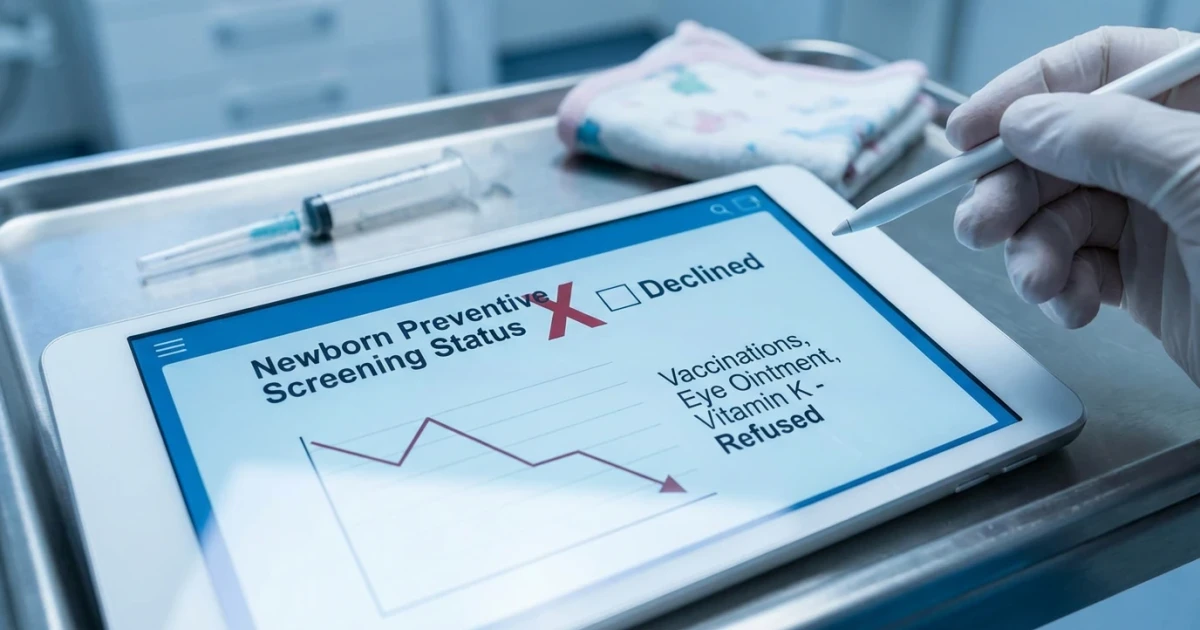
Recent trends show a rise in parents refusing not only childhood vaccines but also other critical preventive health services for newborns, according to health officials and pediatric experts. This development has sparked concern about the potential risks facing infants who miss out on lifesaving interventions in their earliest days.
Beyond Vaccines: Refusal of Newborn Preventive Care Expands
While parental hesitancy around childhood vaccines has been a topic of national discussion for years, reports indicate that the scope of refusals is widening to include other recommended preventive services for newborns. These services range from newborn screenings for genetic and metabolic disorders, to the administration of vitamin K injections and prophylactic eye ointment to prevent serious bleeding and infections.
Essential Interventions at Risk
According to the US Centers for Disease Control and Prevention, a standard set of preventive measures is recommended for all newborns, including:
- Newborn screening tests for conditions such as cystic fibrosis, sickle cell disease, and congenital hypothyroidism
- Vitamin K injections to prevent potentially fatal bleeding
- Erythromycin eye ointment to protect against serious eye infections
- Recommended immunizations, such as hepatitis B vaccine
These interventions have been credited with dramatically reducing infant mortality and the burden of preventable diseases in the United States. Data show that most infants in the US receive the full slate of recommended preventive care, but officials have noted a modest yet persistent increase in refusal rates in recent years.
Why Are Parents Refusing?
Health professionals and researchers point to several factors driving the trend:
- Growing skepticism about medical interventions, fueled in part by misinformation on social media
- Concerns about potential side effects, despite overwhelming evidence of safety
- A desire for more “natural” approaches to parenting and health
- Distrust in the healthcare system or government recommendations
Recent systematic reviews, such as one published in the National Institutes of Health library, have documented these motivations across different communities. Pediatricians note that refusals often cluster among families who have already declined vaccines, suggesting a broader skepticism toward medical authority.
Potential Consequences for Infants
Medical experts warn that skipping these preventive services can have severe consequences. For example, refusal of the vitamin K shot significantly increases the risk of Vitamin K Deficiency Bleeding (VKDB), which can lead to brain damage or death. Similarly, missing newborn screenings may mean treatable conditions go undetected, leading to lifelong disability or early death.
Health providers emphasize that these risks are not theoretical: there have been documented cases of infants suffering preventable harm after parents declined recommended care.
Expert and Official Responses
Organizations like the American Academy of Pediatrics have issued guidance for clinicians on how to counsel hesitant parents and document refusals. The Centers for Disease Control and Prevention continues to monitor trends and work with state health departments to address misinformation and support parent education.
Looking Ahead
As the trend of refusing preventive care for newborns grows, health officials are urging renewed efforts in public education and provider-parent communication. The stakes are high: experts stress that these routine interventions are essential for protecting the most vulnerable members of society in their first days of life.