World
More than 500 Rohingya feared dead after boats capsize in Bay of Bengal
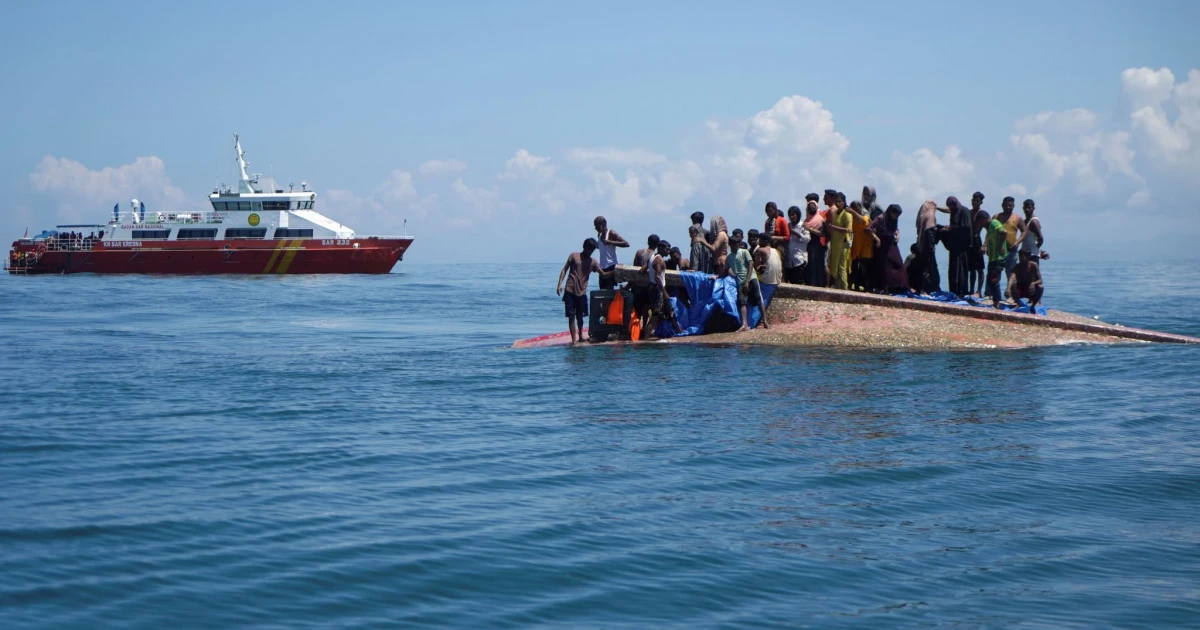
More than 500 Rohingya were feared dead after two boats carrying members of Myanmar’s persecuted minority capsized in the Bay of Bengal. Officials and United Nations agencies said the information was still preliminary, but the vessels were believed to have left Rakhine state in late June with mostly Rohingya passengers, including some who had already spent time in refugee camps in Bangladesh.
UNHCR and the International Organization for Migration said investigators were still trying to determine how many people were on board, how the boats sank and whether any survivors could be found. The vessels were thought to have been headed toward Malaysia, Indonesia or Thailand, part of a sea route that has become a deadly last resort for people with few legal options at home or in the camps around Cox’s Bazar.
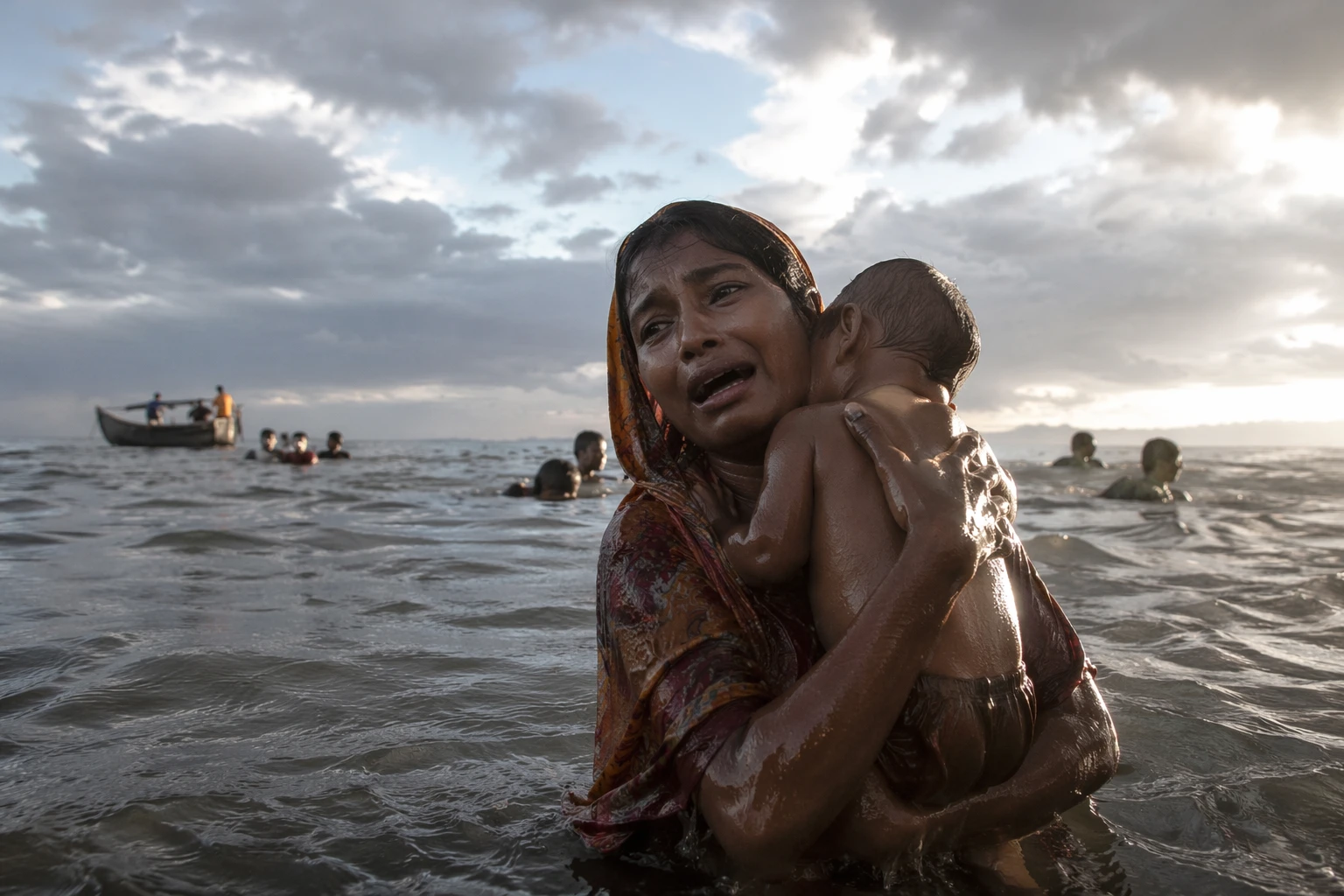
Médecins Sans Frontières said it learned of one boat carrying an estimated 260 Rohingya people that reportedly capsized on 29 June while en route to Malaysia. MSF said no survivors had been reported from that incident and that the bodies of approximately 10 Rohingya people were believed to have been found. That account added to fears that the wider toll from the two capsized boats could become one of the deadliest recent maritime disasters involving Rohingya refugees.
The Bay of Bengal route has repeatedly turned lethal. In an earlier case off Indonesia’s Aceh area, a wooden boat carrying about 260 Rohingya refugees capsized and the bodies of three people were found dead. In another episode, the United Nations warned that two boats were adrift in the Andaman Sea with 400 Rohingya aboard and desperately needed rescue.
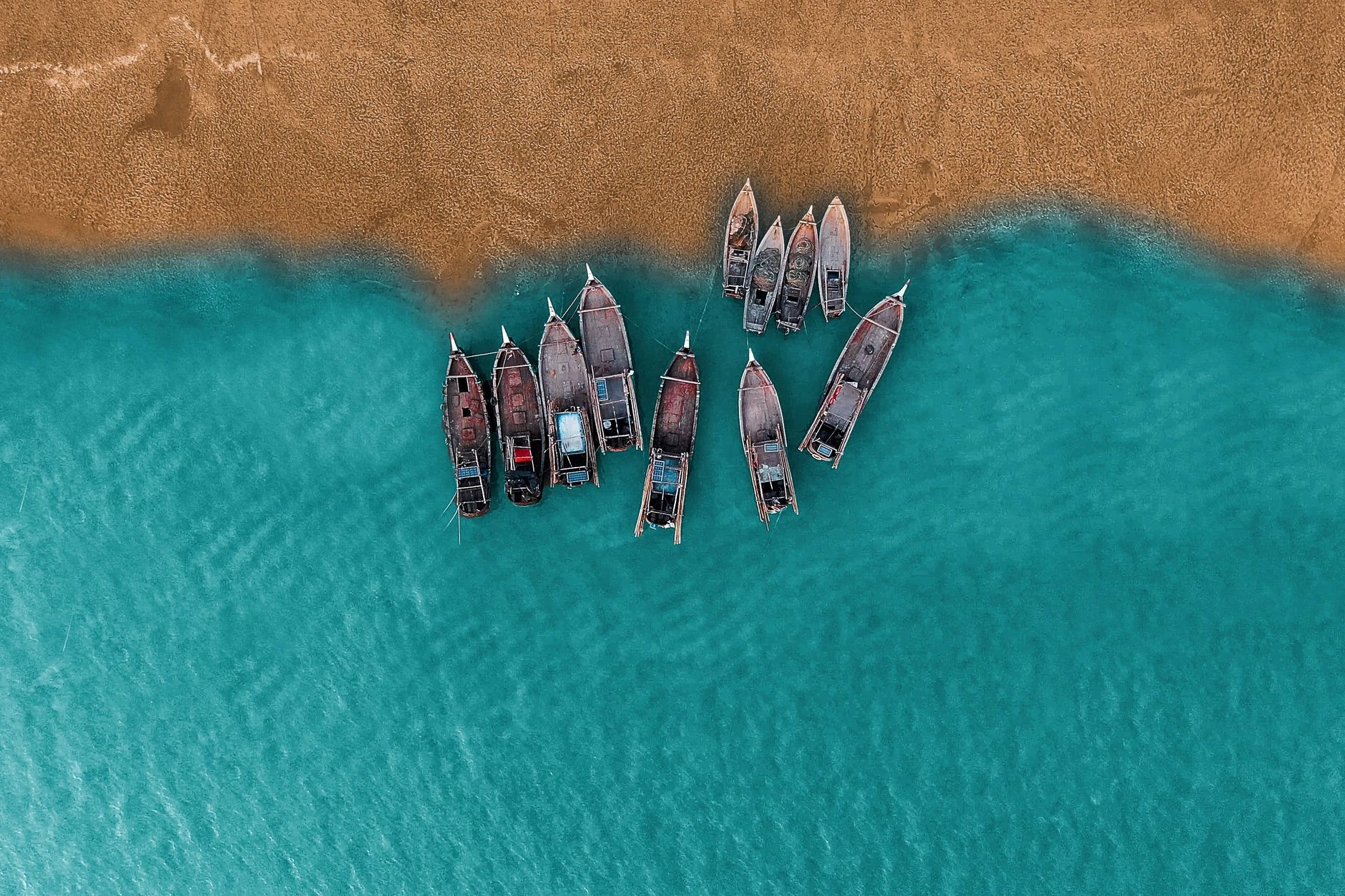
Those repeated voyages expose a system built on desperation. Rohingya families who fled violence in Myanmar have spent years in displacement, many in overcrowded camps in Bangladesh, while smugglers continue to move people along the same exposed corridor toward Southeast Asia. With rescue capacity limited and regional governments slow to respond, the sea has remained the place where persecution, statelessness and indifference meet in the deadliest possible way.