Entertainment
Morning Raves Bring Sober Dance Parties to NYC
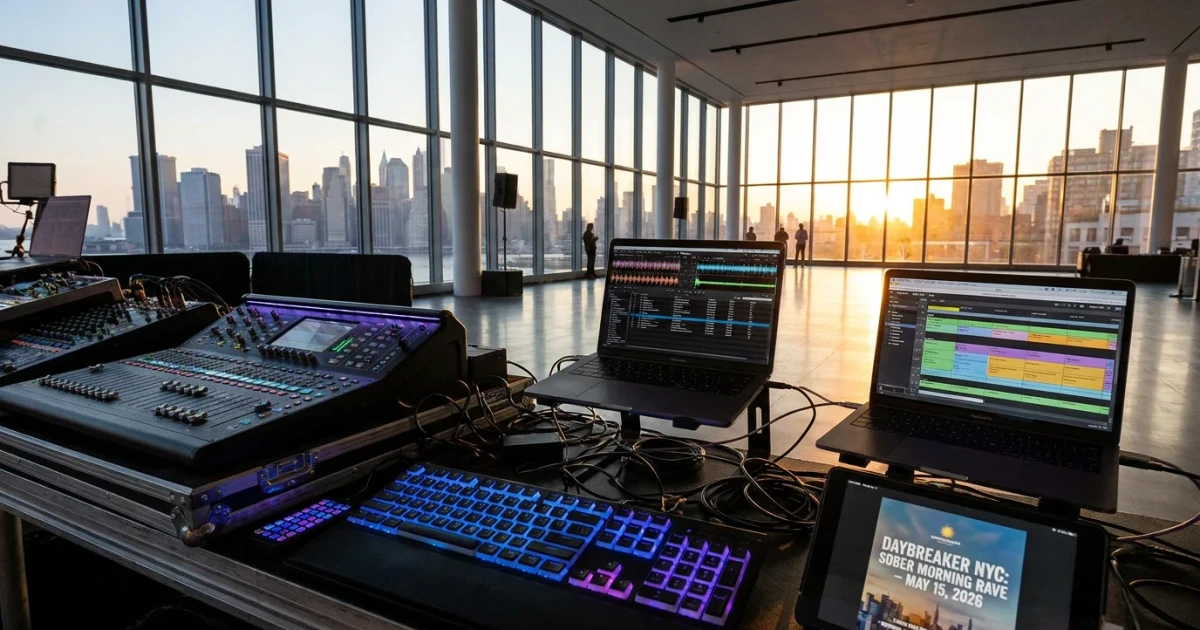
New Yorkers are trading cocktails for coffee as they flock to sober morning raves, where dancing begins at sunrise and ends just in time for work. These alcohol-free dance parties are emerging as a popular way to build community, boost mental health, and reimagine nightlife in the city that never sleeps.
What Is a Sober Morning Rave?
Sober morning raves are high-energy dance events held early in the day, typically beginning around 6:00 a.m. and wrapping up by 9:00 a.m. Unlike traditional nightclubs, these gatherings exclude alcohol and recreational drugs, focusing instead on music, movement, and connection. The concept, which began gaining traction in the 2010s, has found a devoted following in urban centers like New York City.
The morning rave movement appeals to a diverse crowd—young professionals, creatives, parents, and wellness enthusiasts—who seek to start their day with community and endorphins rather than hangovers. USA Today reports that many attendees leave the dance floor and head straight to the office, energized and clear-headed.
Why Are Sober Raves Gaining Popularity?
- Social Connection: Sober raves offer a welcoming environment for people to connect without the pressure of drinking. According to event organizers, the focus is on inclusivity and positive energy.
- Mental Health Benefits: Research shows that dance-based interventions can reduce stress, improve mood, and enhance overall mental wellbeing.
- Health Trends: National data from the 2019 National Survey on Drug Use and Health indicates that a growing number of adults are cutting back on alcohol or seeking alternatives to traditional drinking culture.
A Typical NYC Morning Rave Experience
At a recent NYC event covered by USA Today, partygoers arrived just before dawn, greeted by thumping electronic music and a communal atmosphere. Instead of cocktails, attendees sipped cold-brew coffee, herbal teas, or smoothies. Many events incorporate wellness activities such as yoga, guided meditation, and live performances alongside the dance party.
By 8:30 a.m., the dance floor is filled with people in business attire or workout clothes, some still wearing glitter or neon face paint. As the event winds down, participants head out—often still smiling and energized—to begin their regular workday.
Impact and Community Response
Advocates for sober raves say that these events help address the isolation and anxiety that can be exacerbated by traditional nightlife. According to a systematic review of sober social events, participants frequently report higher levels of social support and lower levels of substance-related regret compared to conventional parties.
New York City’s Department of Health notes that while alcohol consumption remains prevalent among NYC adults, initiatives like morning raves reflect a shifting landscape where more residents are seeking balance and wellness-focused social experiences.
Looking Forward: The Future of Sober Socializing
The rise of sober morning raves signals a cultural shift in how New Yorkers—and urban dwellers nationwide—approach celebration and connection. As wellness trends continue to influence social life, experts and organizers expect these events to expand, offering more options for those who want to dance, connect, and thrive—without the hangover.