World
Moroccan migrants describe despair and hopes behind Ceuta crossings
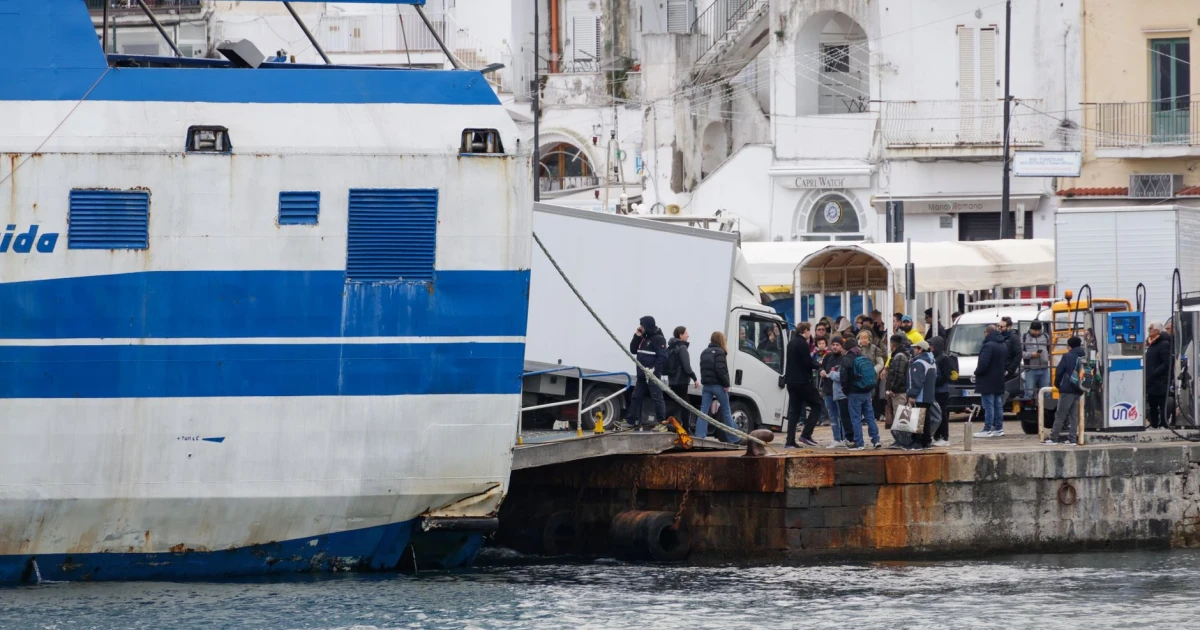
The death toll from the migrant rush into Ceuta rose to 72 by Aug. 2, after thousands of people crossed from Morocco into the Spanish enclave in late July and forced Spain to treat the border as an emergency. Ceuta’s leader warned of a crisis after 1,500 migrants arrived in one week, a surge driven as much by economic desperation as by any sudden change at the fence.
For many of those who crossed, the trip was less a political gesture than a search for work and a livable future. The migrants were mainly Moroccans seeking a better future in Spanish territory, and one migrant put that plainly: “I just want a chance.” Social media rumors helped spread the rush, but the force behind it was more basic, a sense among young men that the path at home offered little beyond stagnation.

Spain moved quickly to restore order, deploying military forces to the border and saying migrants were returning from Ceuta after 57 people died in the rush. Some of those who reached the enclave later went back to Morocco voluntarily, while others said hunger and hostility pushed them to turn around. The pattern underscored how fragile the crossing became once the first wave had passed through Ceuta’s barriers and streets.

Ceuta has long been one of the sharpest migration flashpoints between Morocco and Spain. The Spanish enclave sits on the Moroccan border and has served for years as a route for people trying to reach Europe, a route shaped by unemployment, limited mobility and the narrow set of options available to young North Africans who see their prospects shrinking at home.
Sources
- [1]nytimes.com
- [2]reuters.com
- [3]apnews.com