Sports
Morocco beat Netherlands in shootout to reach World Cup last 16
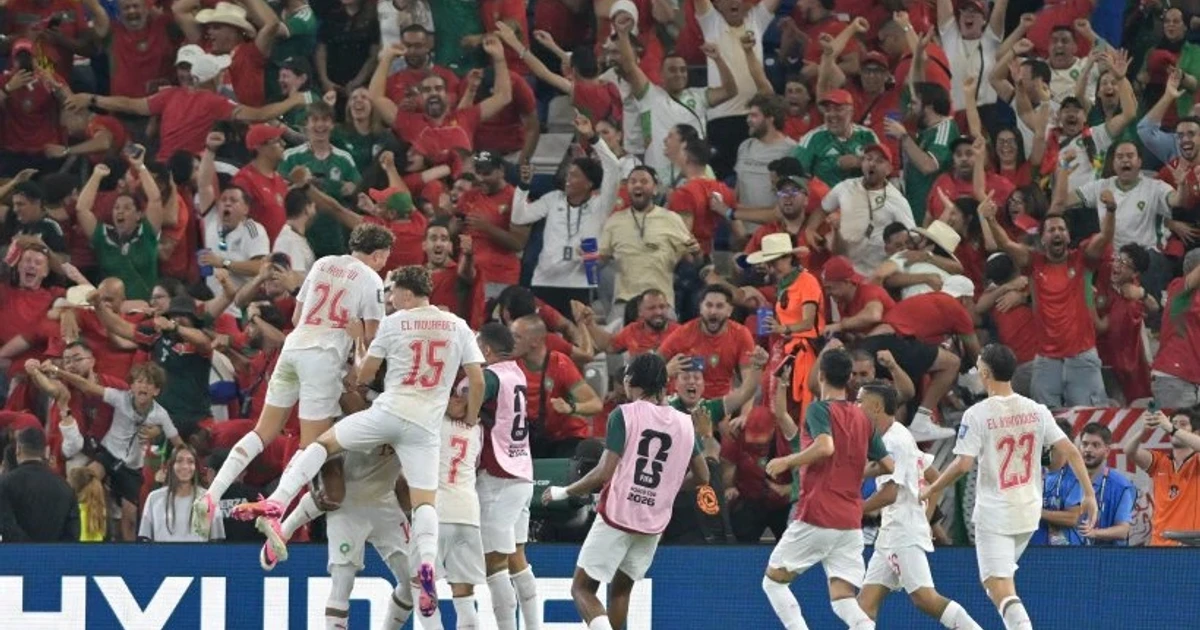
Morocco beat the Netherlands 3-2 on penalties after their World Cup round-of-32 match finished 1-1 through extra time in Monterrey, Mexico, sending Walid Regragui’s team into the last 16 against Canada. The result extended a pattern that has come to define Morocco’s place on the tournament map: when the pressure rises, they keep producing outcomes that once seemed reserved for football’s established powers.
That is why this shootout carried more weight than a single knockout tie. Morocco already rewrote the script in Qatar in 2022, when it became the first team from Africa or the Arab world to reach a World Cup semifinal. That tournament ran from November 20 to December 18, 2022, featured 32 teams across 64 matches and drew 3,404,252 fans, giving Morocco’s run a global stage of unusual scale. FIFA said that march to the semifinals sparked “enormous excitement and support” across Africa and the Middle East.
Morocco’s path in Qatar was built on the same kind of resilience it showed against the Netherlands. In the round of 16, Morocco drew Spain 0-0 over 120 minutes and won the shootout. It then beat Portugal 1-0 in the quarter-finals before falling 2-1 to Croatia in the third-place play-off. Those results, stacked together, made clear that Morocco’s rise was not a single burst of luck but a repeatable tournament identity, one built on compact defending, calm finishing under pressure and the confidence that comes from surviving elite opposition in elimination games.
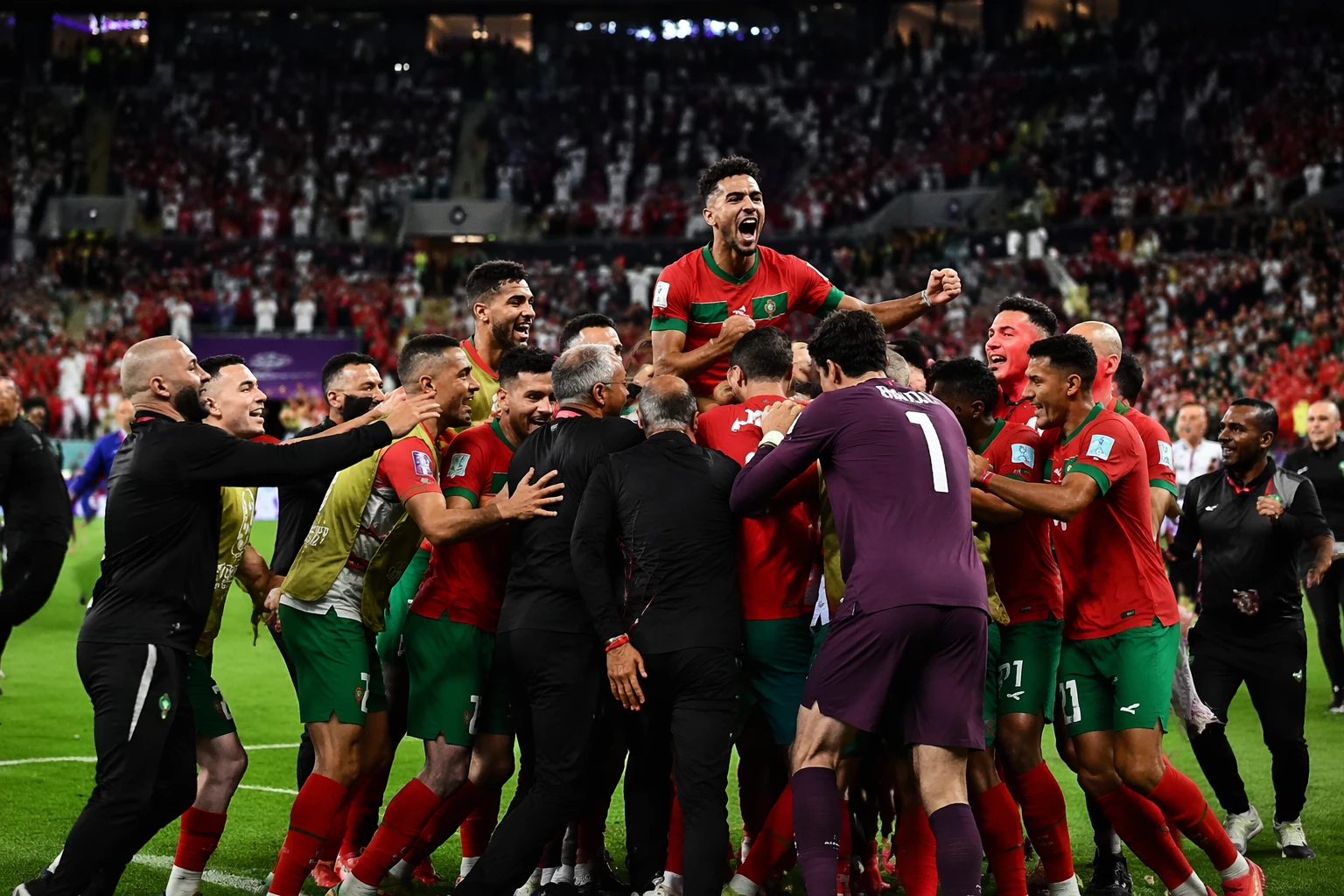
The latest win also fit the broader context around Morocco’s squad and its ties to Dutch football. The match carried added familiarity because of the strong Dutch-Moroccan connection around the rivalry and within Morocco’s setup, a link that has helped make these encounters feel bigger than the bracket alone. Against a Netherlands side trying to manage another knockout run, Morocco again found its way through the shootout, and again left a European heavyweight paying for missed chances.
For Morocco, the result was less a surprise than another proof point. The team that once seemed like an outlier in World Cup history has turned upset wins into a recognizable pattern, and Monterrey offered one more reminder that the tournament’s power map is no longer as fixed as it used to be.