World
Moscow Shuts International Airports Amid Drone Attacks
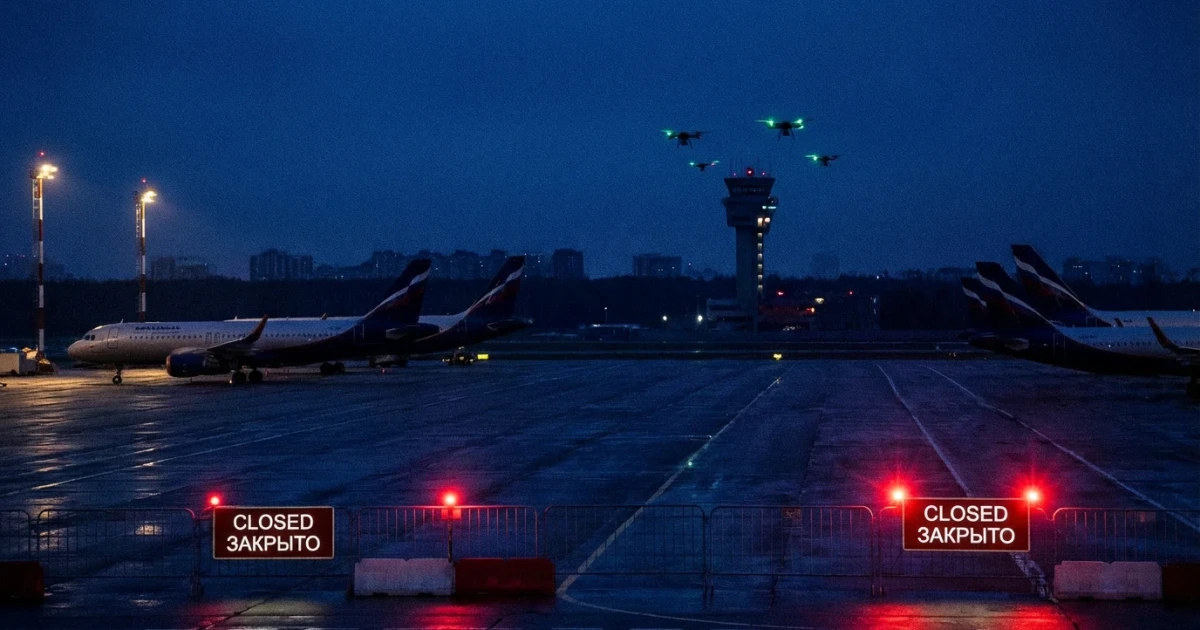
Moscow temporarily closed all its international airports following a surge of Ukrainian drone attacks, causing significant disruption for passengers and airlines and highlighting the growing risks facing Russian aviation infrastructure amid the ongoing conflict.
Airports Closed in Security Response
On February 22, 2026, authorities in Moscow halted operations at all international airports as a precautionary measure after a wave of drones targeted the Russian capital. According to The Times of India, the decision led to a complete suspension of both arrivals and departures for international flights, impacting airport operations at major hubs including Sheremetyevo, Domodedovo, and Vnukovo.
Real-time flight data from Flightradar24 shows a sharp spike in canceled and delayed flights at Moscow’s airports following the attacks. Passengers were forced to wait for further instructions, and some flights were diverted to airports outside the Moscow region.
Growing Threat of Drone Incidents
This closure comes amid mounting concerns about the vulnerability of critical infrastructure to drone threats. The European Union Aviation Safety Agency (EASA) has documented a rising number of drone-related incidents disrupting air traffic across Europe and neighboring regions. According to their reports, unauthorized drones have increasingly targeted airports, prompting both brief shutdowns and extensive security reviews.
The International Civil Aviation Organization (ICAO) also tracks such incidents worldwide, showing a trend toward more frequent and sophisticated attacks. The disruption in Moscow reflects a broader pattern of airports reinforcing their defenses and emergency protocols in response to the evolving threat landscape.
Impacts on Russian Aviation and Passengers
- Flight Delays and Cancellations: Hundreds of flights were affected, with many travelers stranded or forced to rebook.
- Economic and Logistical Disruption: The shutdown disrupted cargo flows and business travel, amplifying the economic impact of the ongoing conflict.
- Security Enhancements: Russian aviation authorities have previously stated their intent to bolster anti-drone measures at key airports. The Federal Air Transport Agency (Rosaviatsiya) tracks such disruptions and is expected to release updated statistics following this large-scale closure.
Context: Drones in the Russia-Ukraine Conflict
Drone warfare has become a defining tactic in the ongoing Russia-Ukraine conflict, with both sides deploying unmanned aerial vehicles for surveillance and targeted attacks. The United Nations Security Council maintains official records of drone attacks in conflict zones, noting their increasing role in modern warfare and the associated risks to civilian infrastructure.
Analysts note that the drone attacks on Moscow airports represent a new phase in escalation, shifting the focus from military to civilian targets and underscoring the need for enhanced security protocols at transportation hubs.
Looking Ahead
Moscow’s airport shutdown underscores the ongoing challenges of securing critical infrastructure in a rapidly changing security environment. As Russian authorities assess the aftermath, airlines and passengers await the resumption of normal operations, while aviation experts call for a coordinated international effort to address the growing threat posed by drones. Readers can track ongoing disruptions and access live updates on Moscow airport flight data and consult official Russian aviation statistics for the latest impact assessments.