World
Mother fears baby's remains lost in funeral-home ashes mix-up
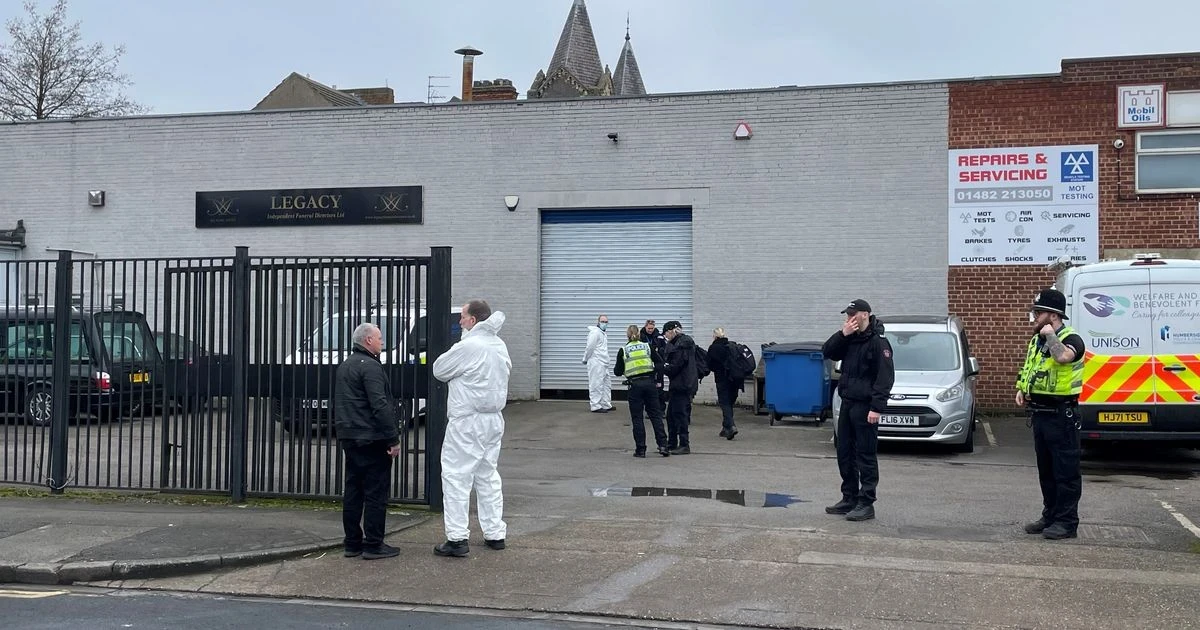
Lucy Ness said, "I hope my baby's remains are with someone who loves them like I loved these," after a funeral-home ashes mix-up left her facing the possibility that she may never know where her child's remains ended up.
Her fear sits inside a broader failure of custody and verification that has already shaken bereaved families across the UK. In Hull, Humberside Police met with more than 160 families after human ashes were found at Legacy Funeral Directors, and officers recovered 35 bodies from the firm's premises in March 2024, along with ashes of an unknown number of people.
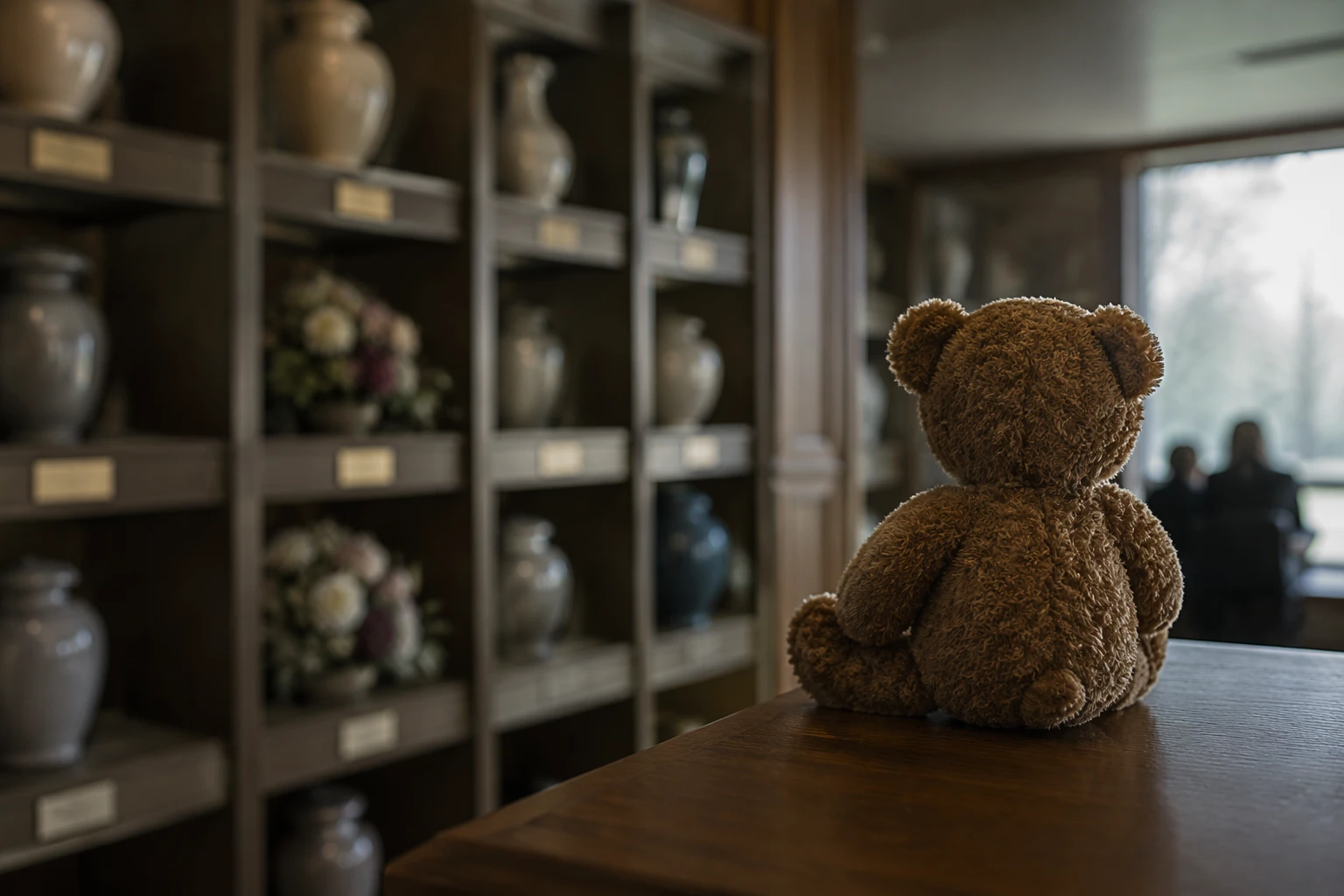
The Hull case was not the only one to expose how fragile trust can be once a body enters the funeral system. Julianna Trager Shields Bowls was told there were no ashes for her stillborn daughter Amelia, who was born in 1996. In another case, a grieving mother discovered that her baby's ashes had been scattered 20 years earlier without her knowledge. Together, those cases show a recurring pattern of families being left unsure whether the remains they received were ever correctly identified in the first place.

The system is supposed to rely on a chain of custody that tracks remains from cremation through storage, transfer and return. In England and Wales, that process sits under the Cremation (England and Wales) Regulations 2008, with separate guidance for funeral directors and for applicants arranging cremation. The Law Commission's 2026 burial and cremation review was aimed at simplifying and modernising the law, while its wider work on regulation noted the mix of statutory rules and the self-regulatory role of trade associations.

That patchwork matters because misidentification leaves families with little more than paperwork to challenge. The Independent Funeral Standards Organisation says its code of practice is built on mandatory principles, including acting in the best interests of clients and maintaining trust, which gives families a standards-based route to question a firm's handling of ashes if the business is a member.
For families, the minimum expectation is that a funeral director can show how ashes were identified, stored and handed over, and who handled them at each stage. When that trail breaks down, as the Hull case and the other reported examples suggest, the harm is not only emotional. It also exposes how much the UK's cremation system still depends on procedures being followed correctly by every person in the chain.
Sources
- [1]bbc.co.uk
- [2]theguardian.com
- [3]dailyrecord.co.uk
- [4]hulldailymail.co.uk