Politics
Mounting Pressure Pushes Congress Amid Partial Shutdown
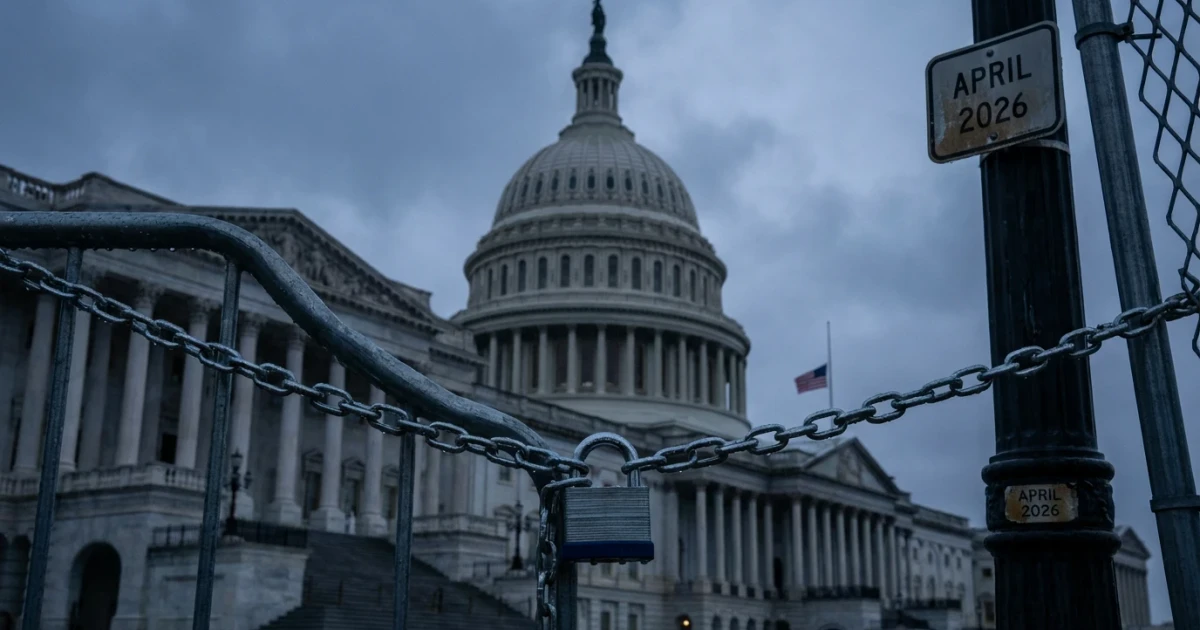
Public and political pressure is intensifying on Congress to return to Washington as the United States endures a partial government shutdown, with calls for action coming from a broad spectrum of voices including mainstream media, pop culture outlets, and former President Donald Trump.
Shutdown Stalemate Draws National Attention
The current government shutdown has left a significant portion of federal operations in limbo. As non-essential federal agencies remain closed, the economic and social impacts are beginning to ripple across the country, according to a Congressional Budget Office analysis of previous shutdowns. The effects include delayed paychecks for federal workers, suspended public services, and uncertainty for programs relying on federal funding. With each passing day, the stakes grow higher for both the public and lawmakers.
Calls for Congressional Action Grow Louder
Media coverage reflects the urgency felt by Americans affected by the shutdown. PBS reports that even entertainment news outlets like TMZ have amplified the issue, highlighting its broad reach beyond Washington insiders. Furthermore, former President Trump has joined the chorus, urging legislators to return to Washington and resolve the impasse. This convergence of voices from across the political and cultural spectrum underscores the widespread frustration with congressional inaction.
- Federal employees face furloughs and missed paychecks, as outlined in official guidance from the U.S. Office of Personnel Management.
- Essential services, such as air traffic control and military operations, continue, but many public-facing agencies have scaled back operations.
- Agencies report increased strain as they attempt to maintain critical functions with reduced staff, according to data collected by the Government Accountability Office.
Economic and Social Impact
The economic consequences of shutdowns are well documented. The CBO's review of the 2018-2019 shutdown estimated a reduction in quarterly GDP growth, lost productivity for furloughed workers, and delays in government contracts. These impacts not only disrupt federal operations but also have cascading effects on local economies and private contractors who rely on government work.
According to a Pew Research Center explainer, public opinion typically shifts against prolonged shutdowns, increasing political risk for lawmakers seen as obstructing a resolution.
Political Dynamics and the Path Forward
While pressure mounts from both media and political figures, the path to reopening the government remains uncertain. Disagreements over budget priorities and legislative riders have historically been at the heart of shutdowns, as detailed in a Congressional Research Service report. Recent history suggests that compromise is possible when political costs become too great, especially under the spotlight of broad public scrutiny.
As Congress faces growing calls to return and act, the outcome will likely depend on the willingness of both parties to negotiate and the continued pressure from constituents, media, and public figures. The situation remains fluid, but the demand for a resolution is unmistakable.
Conclusion: Eyes on Washington
With the shutdown's effects spreading and calls for congressional action growing louder, all eyes remain on Washington. The coming days will reveal whether lawmakers can overcome the impasse and restore normal government operations, or if the pressure will continue to mount on the nation's capital.