Politics
MPs accuse government of mis-selling student loans over threshold freezes
MPs accused the government of mis-selling student loans after a Treasury Committee report found borrowers were never clearly told that repayment terms could be changed after they signed up. Comparing student-loan repayments to mobile phone contracts or cinema tickets amounted to mis-selling, because the pitch did not fully explain the cost to higher earners or the government’s power to alter the deal retrospectively.
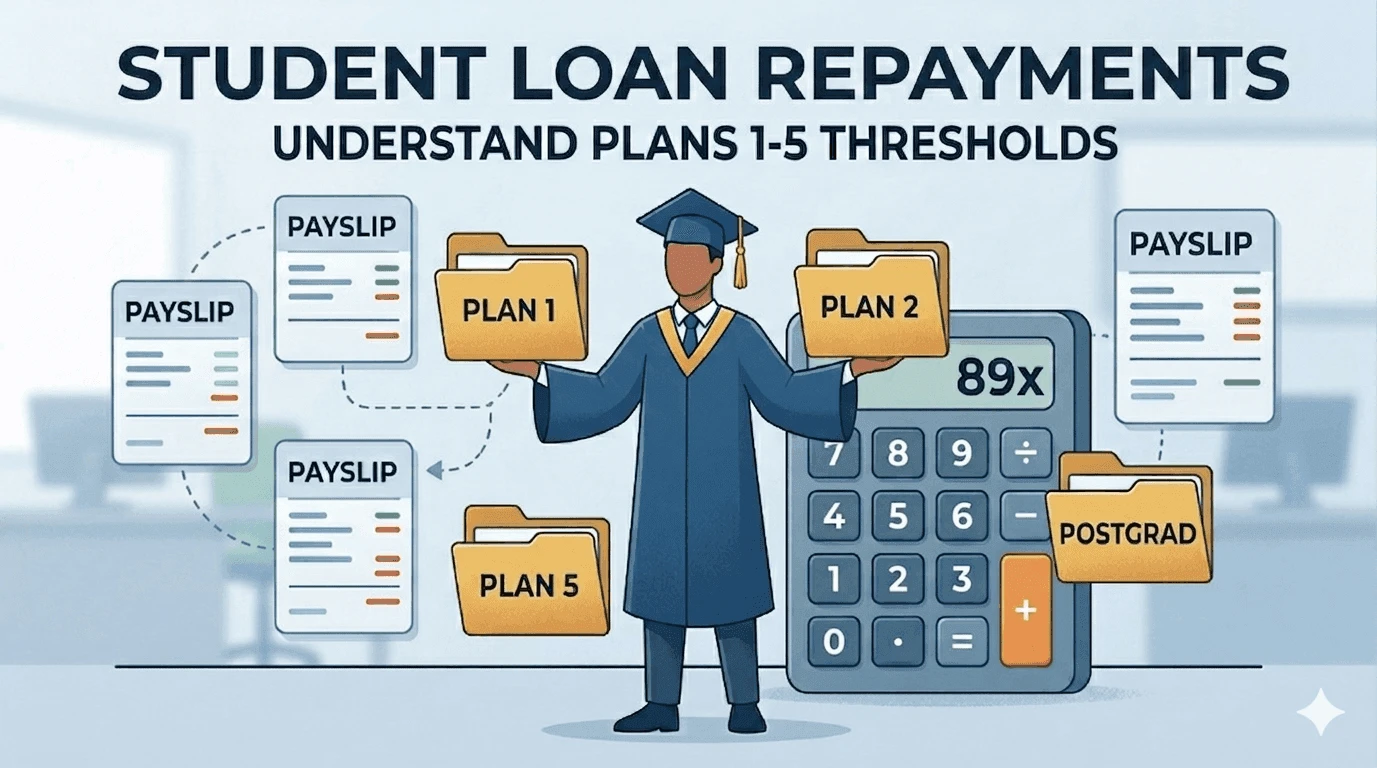
The report focused on Plan 2 loans, first announced in 2010 with a £21,000 repayment threshold that was meant to rise with earnings from 2016. Instead, the threshold was frozen from 2016 to 2018 and again from 2021 to 2025, while the 2025 Budget announced another three-year freeze from 2027. Department for Education videos and slides, alongside Student Loans Company application materials, failed to make that retrospective power clear.
The freeze would deepen a system already tilted against borrowers. If current trends continue, it warned, students could end up paying as much as 95% of the cost of their higher education, far above the 50:50 funding split Parliament intended when Plan 2 loans were created. The Treasury Committee report expected the freeze to raise £255 million next year, rising to £355 million in 2029-30.
Meg Hillier, who chairs the Treasury Committee, said the system had become “broken” and that patience had run out. Consumer campaigner Martin Lewis, whose evidence fed into the inquiry, said the planned freeze was “a breach of natural justice” and “a retrospective, one-sided contractual change.” The inquiry drew 52,000 public submissions, and it heard evidence from student and consumer groups.
The government is exempt from legal liability under consumer protection law, even though the selling of student loans shared the same fairness concerns. It urged ministers to follow consumer-duty style standards anyway and called for student-loan interest calculations to move from RPI to CPI. English and Welsh students who started university between 2012 and 2023 are the cohort most exposed to Plan 2, and Welsh students have continued to fall under the same repayment regime since then.