Politics
MPs blame social media as Westminster confronts abuse fears
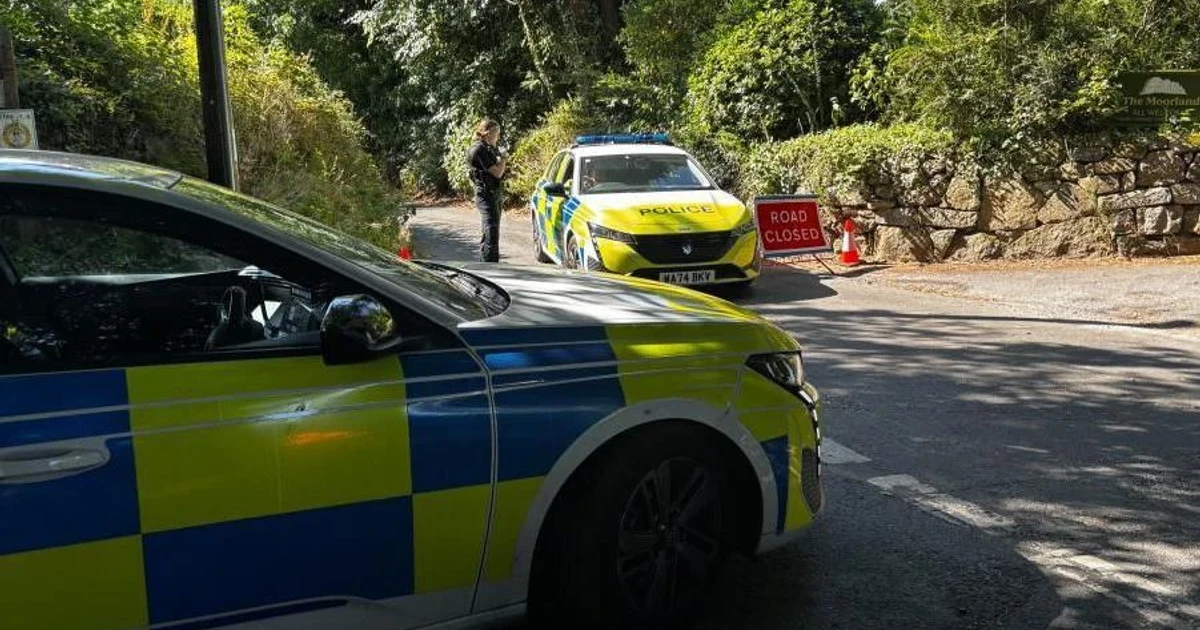
The House of Commons held a statement and debate on Ann Widdecombe’s death on 13 July 2026, after the 78-year-old former Conservative minister’s case was first treated as a murder investigation and later taken over by counter-terrorism police when new evidence came to light. The debate reopened a question Westminster has struggled with for years: how to protect elected officials without sealing them off from the public they serve.
Many MPs blame social media for normalising violent language and abuse, and Chris Mason has framed the issue as one that now reaches beyond online rancour into the security of public life itself. The Home Office says security measures are kept under constant review so MPs can carry out their duties safely, but the scale of the threat is reflected in the safeguards already in place, from panic rooms and panic alarms to route changes and bomb-proof letterboxes.
The pressure on Parliament is not new. The Committee on Standards in Public Life published its seventeenth report, Intimidation in public life, in December 2017. Two years later, the Joint Committee on Human Rights followed with its report on threats to MPs on 18 October 2019. The Speaker’s Conference on the security of MPs, candidates and elections has since kept social media, public attitudes and the handling of threats in the criminal justice system under review, showing that the debate is as much about state capacity as it is about abuse online.
The Institute for Government has said MPs have faced death threats, rape threats and plots to murder MPs, with protections extending to practical changes such as panic alarms, route changes and fortified post boxes. Those measures show how much has changed since earlier attacks, but they also underline how much exposure remains for politicians who still have to move through streets, constituency offices and public events.
The scale of the abuse has been visible for years. BBC analysis in 2018 found that abusive tweets about politicians more than doubled between 2015 and 2017, based on more than one million tweets. BBC coverage in 2019 found women MPs were bearing the brunt of the abuse, and some said it was forcing them from politics.
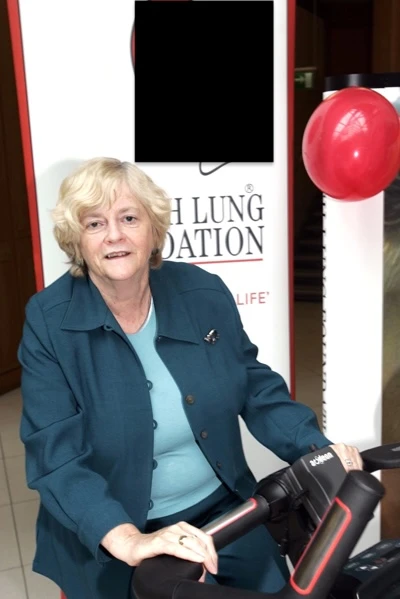
Nigel Farage said Widdecombe’s death showed life for politicians had become even more dangerous. Reform UK moved to provide its MPs with 24-hour security after her death, a reminder that the argument in Westminster is no longer only about tone on social media but about funding, threat assessment and how open politics can remain when intimidation becomes routine.